2026 Top Filtration Bag Trends for Global Buyers?
As the demand for high-quality filtration solutions increases, the importance of Filtration Bags grows. According to a recent market analysis by Research and Markets, the filtration bag sector is projected to reach USD 1.5 billion by 2026, growing at a CAGR of 6.8%. This trend reflects the rising need for efficient separation processes in industries like pharmaceuticals and food production.
The evolution of Filtration Bags is marked by technological advancements, including innovative materials that improve durability and filtration efficiency. Enhanced designs are not just about better performance; they also address environmental concerns. Many manufacturers are shifting towards sustainable materials, which can significantly reduce the product's ecological footprint.
However, some challenges remain. The market faces intense competition and the need for continuous innovation. Buyers must navigate varying quality standards across suppliers. It is crucial for global buyers to stay informed about these trends to ensure they select the right Filtration Bags that meet their specific needs. Observing market dynamics and understanding material science will help in making informed purchasing decisions.
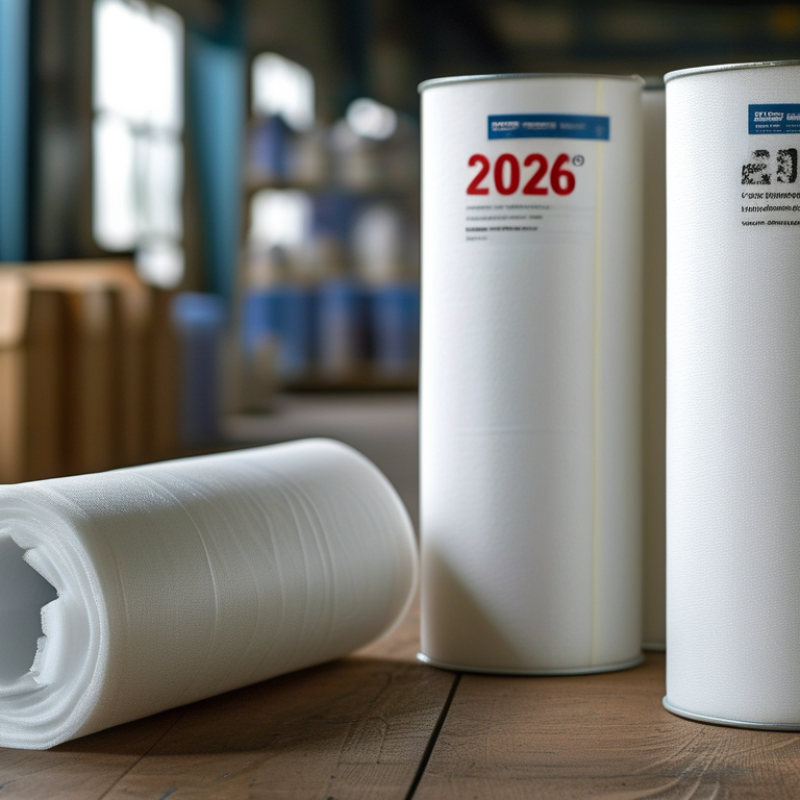
Emerging Materials in Filtration Bag Design for 2026
In 2026, the design of filtration bags is likely to feature innovative materials that cater to both efficiency and sustainability. Emerging materials like bio-based polymers and advanced nanofibers are gaining traction. These materials not only improve filtration performance but also reduce environmental impact. For instance, biodegradable options offer the potential for waste reduction, appealing to eco-conscious buyers.
Moreover, the combining of synthetic and natural fibers creates a hybrid approach. This can enhance durability while maintaining flexibility. These materials can withstand extreme conditions, ensuring longevity in various applications. However, the balance between performance and environmental responsibility poses challenges. Cost and scalability of these new materials remain concerns for manufacturers. There is a need for continuous development and testing to meet the industry's evolving demands.
The exploration of functional coatings adds another layer of innovation. Coatings can enhance water repellency and oil absorption, making bags more versatile. However, their effectiveness and long-term performance need further investigation. Industry players must reassess the longevity and sustainability of these coatings. The journey toward advanced filtration bag design is not without its hurdles, prompting ongoing dialogues about best practices and innovative solutions.
Sustainability Trends Impacting Filtration Bag Production
Sustainability is reshaping the filtration bag industry in 2026. Many manufacturers are prioritizing eco-friendly materials in their production processes. Biodegradable and recycled fabrics are becoming more common. This shift helps reduce waste and environmental impact. Buyers are increasingly drawn to products that align with their values.
The focus on sustainability poses challenges. Some companies struggle to find reliable sources for sustainable materials. This inconsistency can affect quality and availability. Additionally, production costs may increase with the shift to greener options. Consumers often demand both sustainability and affordability, creating tension in the market.
Transparency is essential for success. Companies must communicate their sustainability efforts clearly. This includes providing details on sourcing and production methods. Engaging in sustainable practices is not just a trend; it's becoming a requirement. As the industry evolves, stakeholders must reflect on their roles. Balancing environmental responsibility with business goals is crucial for future success.
Technological Innovations Enhancing Filtration Efficiency
The filtration industry is witnessing remarkable advancements, reshaping how we approach filtration efficiency. Technological innovations play a key role in enhancing performance while ensuring environmental sustainability. The demand for high-performing filtration bags has surged, driven by industries aiming to comply with stricter regulations and reduce waste.
Recent industry reports indicate that the global filtration market is projected to grow significantly. The market for filtration materials is expected to reach $24 billion by 2026, with an increased focus on developing eco-friendly materials. Innovations such as nanotechnology are revolutionizing filtration efficiency. Using nanofibers can capture smaller particles, improving air and liquid purification processes.
In addition, advancements in automation and smart technologies are transforming how filtration systems operate. Sensors and IoT integration enable real-time monitoring of filter performance, leading to timely maintenance and improved lifespan. However, these technologies also come with challenges. The complexity of implementation can overwhelm some users, and high initial costs may deter smaller businesses. Balancing innovation with practical application remains a critical factor in the industry’s growth trajectory.
Market Demand Shifts: Key Industries Driving Filtration Bag Sales
The filtration bag market is experiencing significant shifts due to changes in industry demands. Key sectors driving this trend include pharmaceuticals, food and beverage, and wastewater management. Each sector has unique filtration needs, influencing the design and material choices of filtration bags. For instance, pharmaceuticals require bags that ensure sterility and maintain product integrity.
The food and beverage industry demands filtration solutions that meet stringent safety regulations. The efficacy of filtration systems is crucial in this sector. In wastewater management, sustainable practices are guiding the development of eco-friendly bags. However, the rapid evolution of these industries poses challenges for manufacturers. Innovation is essential, yet staying compliant can be daunting. Balancing cost and quality further complicates this landscape.
Market players must adapt to these shifting demands. Understanding the needs of different industries is vital. Continuous research is required to address these changes effectively. Manufacturers face the challenge of implementing advanced technologies while ensuring reliability. The future of filtration bags is bright, yet it is clouded by uncertainties that demand attention and reflection.
2026 Top Filtration Bag Trends for Global Buyers
| Industry |
Market Demand (USD Million) |
Growth Rate (%) |
Key Trends |
| Pharmaceutical |
350 |
7.5 |
Increased regulation, focus on CAE filtration |
| Food & Beverage |
450 |
6.0 |
Emphasis on safety and hygiene |
| Aerospace |
275 |
5.2 |
Lightweight materials and efficiency |
| Automotive |
600 |
4.8 |
Development of eco-friendly filters |
| Water Treatment |
550 |
8.0 |
Technological advancements and sustainability |
Regional Insights: Filtration Bag Trends Across Global Markets
Filtration bag trends vary significantly across global markets. In North America, recent research indicates a strong shift towards eco-friendly materials. Reports show that 40% of companies are prioritizing sustainability in their filtration solutions. This growing demand reflects a larger trend towards environmental responsibility. Manufacturers are investing in green technologies, which improves their market positioning.
In Europe, industry data highlights an increased focus on efficiency and performance. A recent study revealed that 65% of buyers prefer high-efficiency filtration systems. This preference is driving innovation in bag designs. There is a noticeable shift towards multi-layered compositions that enhance filtration rates. Some products feature nanofibers to capture smaller particles effectively.
Emerging markets in Asia are experiencing rapid growth in filtration bag consumption. Insights indicate that these regions prioritize cost-effectiveness without sacrificing quality. Over 50% of Asian buyers seek affordable solutions that maintain durability. However, there is a need for companies to invest in research. This approach would ensure compliance with stricter regulatory standards. Balancing cost and quality remains a challenge for many manufacturers in these regions.


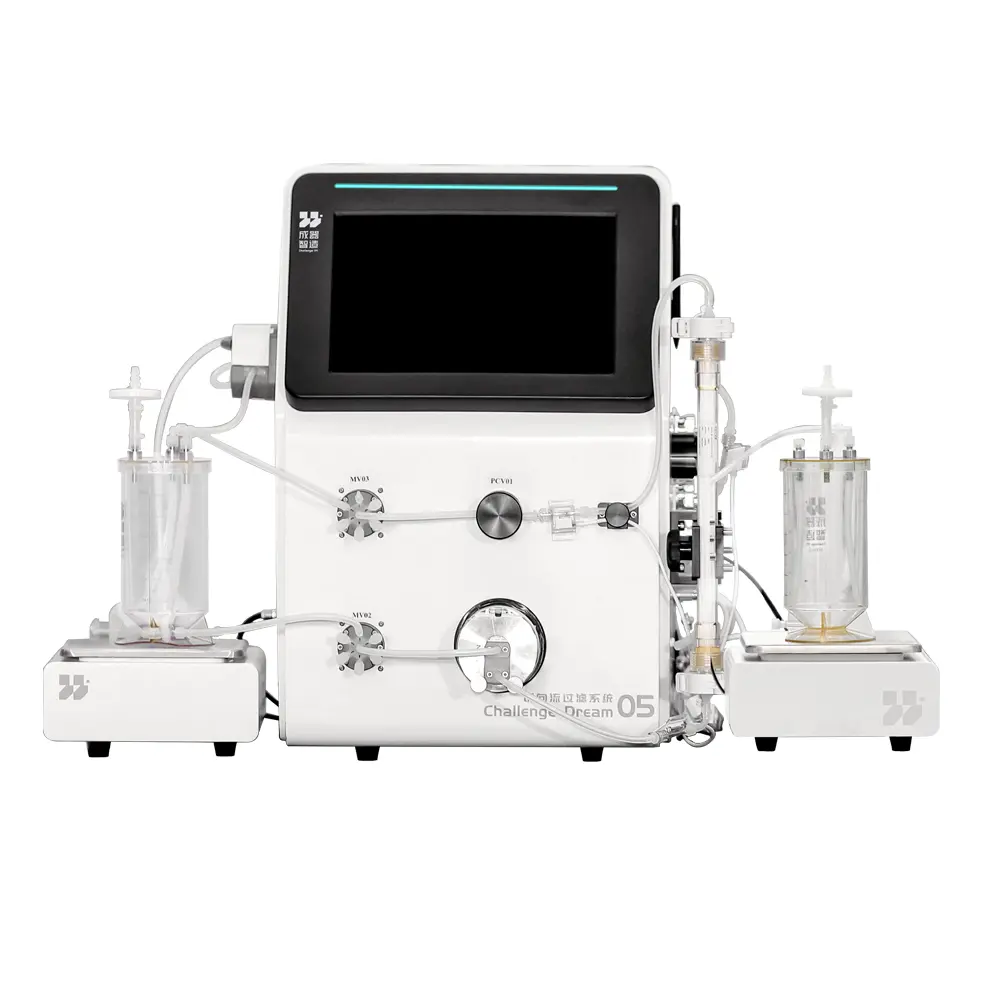 Tangential Flow Filtration(TFF) System
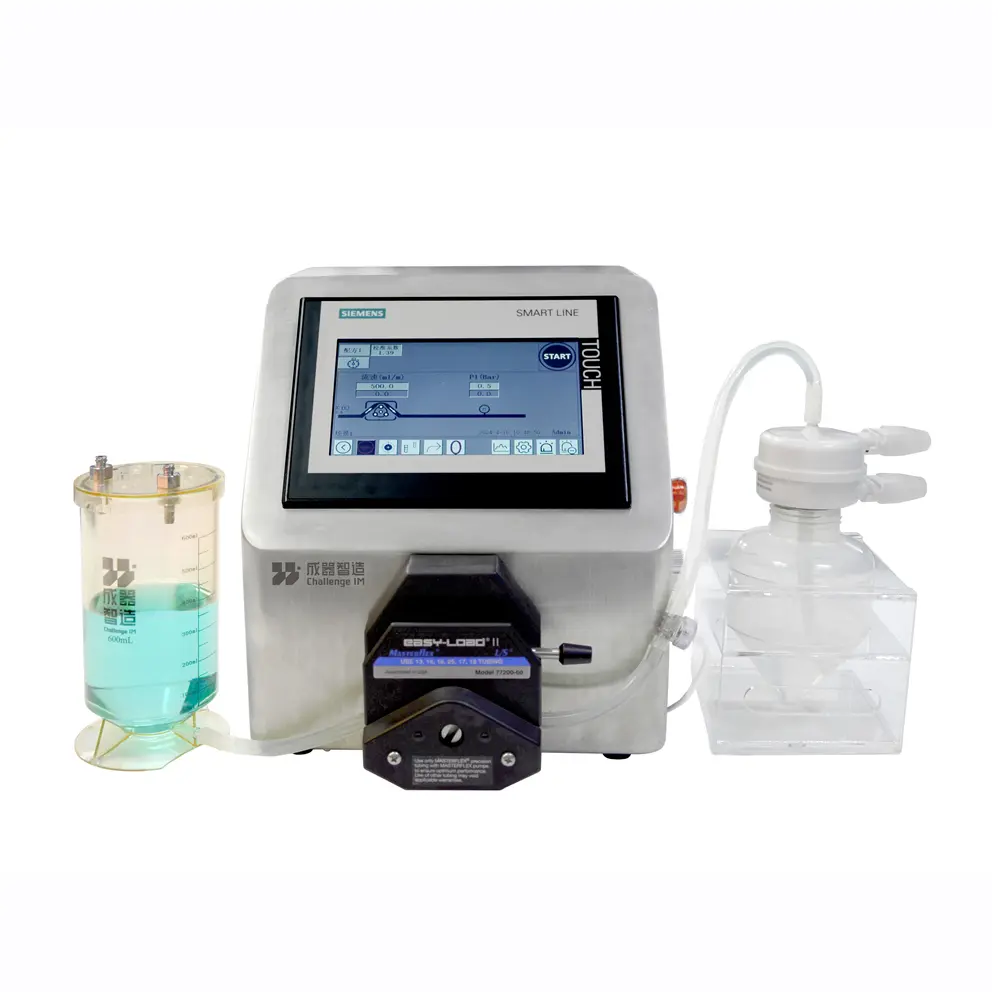 Jump Pump
 FIT Integrity Tester
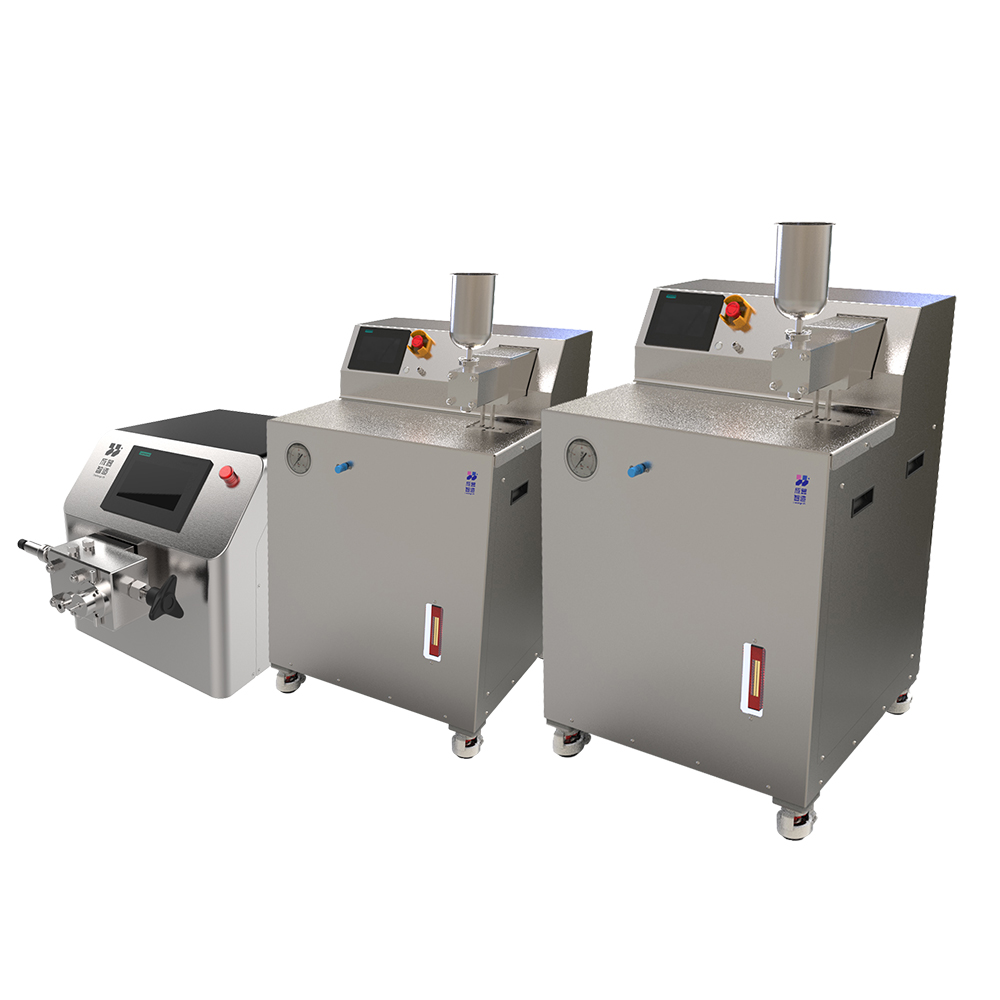 High Pressure Homogenizers
 Microfluidics