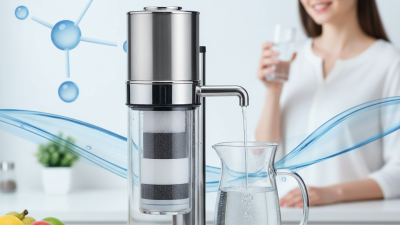
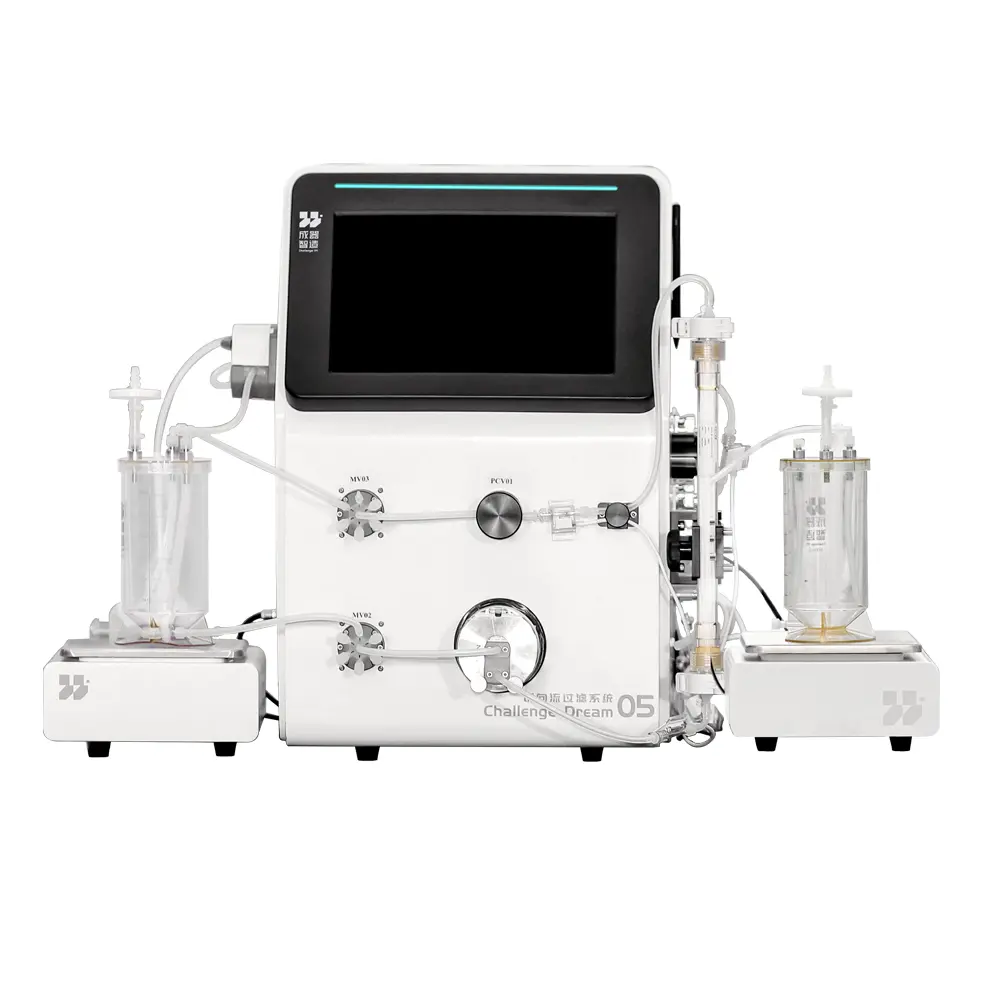
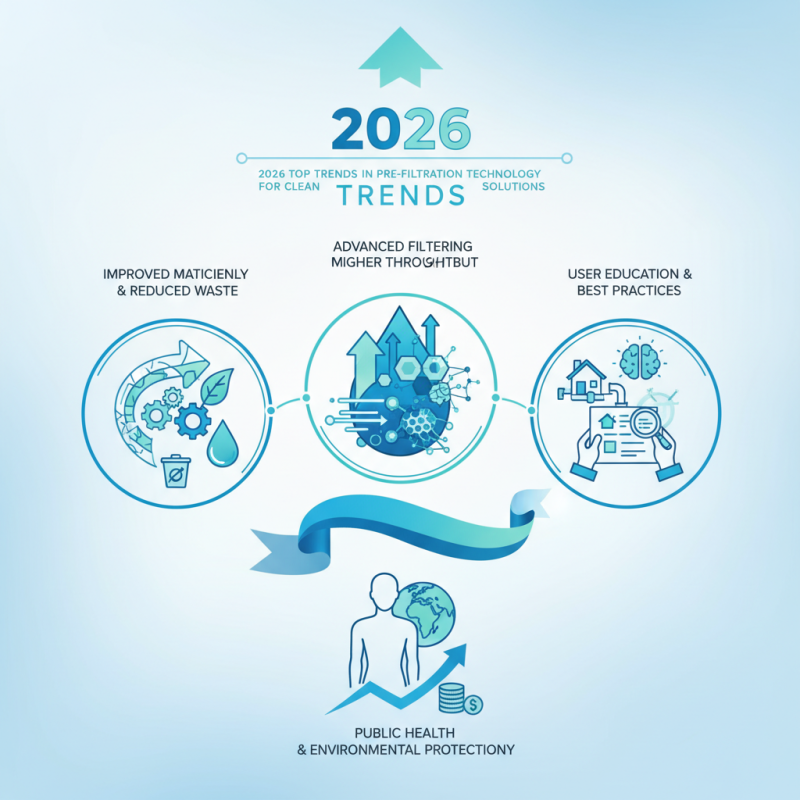
The demand for clean water drives innovation in Pre-Filtration technology. As we approach 2026, emerging trends will enhance the efficiency of water purification systems. Pre-Filtration serves as a crucial step in removing contaminants before they enter water treatment facilities. This step ensures the protection of both human health and the environment.
Many recent advancements focus on improving material efficiency and reducing waste. For instance, new filtering materials promise higher throughput rates and better contaminant removal. Yet, some challenges remain. The industry must address the sustainability of these materials. Additionally, user education is vital for implementing best practices in Pre-Filtration systems.
The next few years will reveal how these trends impact public health and water quality. Investing in cutting-edge technologies is one path forward. However, it is essential to evaluate their long-term feasibility and real-world effectiveness. The dialogue around Pre-Filtration must continue to adapt as we navigate these transformative trends.
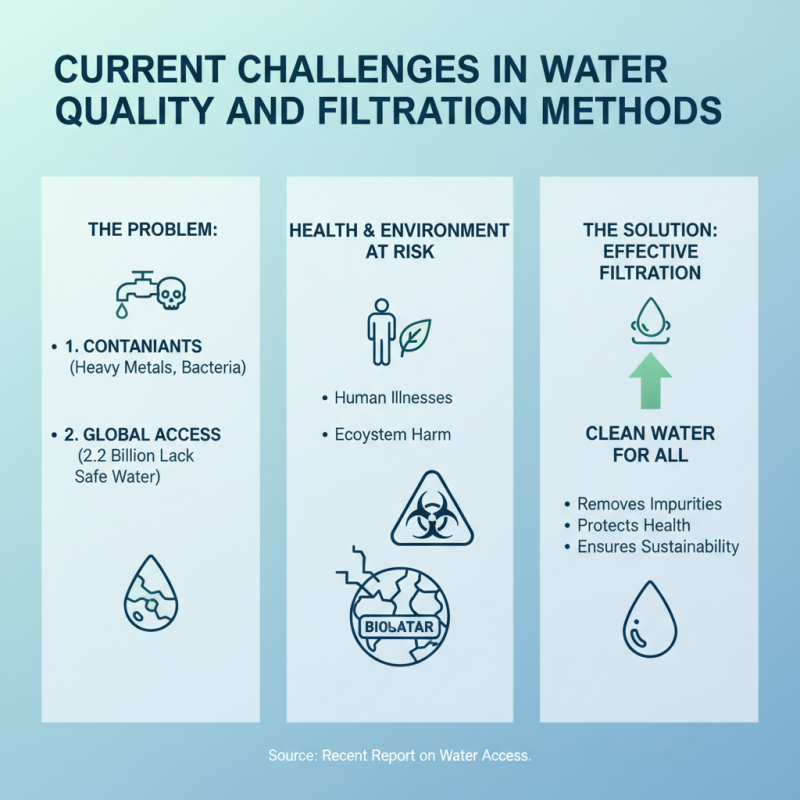
Water quality is a pressing concern in many regions. Contaminants like heavy metals and bacteria pose risks to human health and the environment. A recent report indicates that nearly 2.2 billion people lack access to safely managed drinking water. This challenge requires effective filtration solutions to ensure clean water.
Pre-filtration technology must evolve to tackle these issues. Current methods often struggle with emerging contaminants, such as microplastics. Studies show that conventional filtration systems remove only a fraction of these pollutants. A shift towards advanced filtration technologies is essential. Innovations like membrane filtration and activated carbon use enhance contaminant removal and improve water safety.
**Tip:** Implement regular maintenance for filtration systems. Neglect can lead to reduced efficiency and increased contaminants in the water supply.
Understanding the limitations of existing methods is crucial. Research indicates that many filtration technologies are not designed for different types of pollutants. Thus, there's a need for versatile solutions. Future developments must focus on adaptability to address diverse contamination challenges.
**Tip:** Stay informed about new filtration technologies. Adopting the latest approaches can significantly improve water quality.
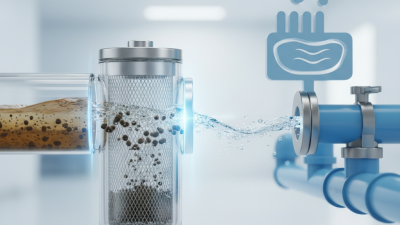
As we move into 2026, pre-filtration technology is evolving rapidly for clean water solutions. Innovations are focusing on enhancing efficiency and reducing waste. Materials like advanced membranes and nanofibers are increasingly prevalent. These materials improve filtration rates significantly, capturing even the tiniest particles. This development is crucial for ensuring safe drinking water in various environments.
Tips: When evaluating pre-filtration systems, consider the lifespan of the filter. Longevity can greatly reduce replacement costs. Also, check the maintenance requirements; simpler systems are often easier to manage.
Another exciting trend is the integration of smart technology. Sensors can now monitor water quality in real-time. This allows for prompt adjustments, ensuring optimal filtration. However, with technology comes complexity. Users must be prepared to understand these systems, which could feel overwhelming.
Tips: Always stay updated on the latest research in filtration technologies. Knowledge can empower you to make informed decisions. Engaging with community forums can provide practical insights from real users.
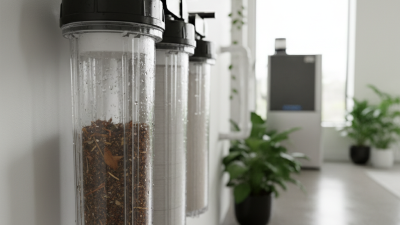
As the demand for clean water solutions grows, sustainable materials in water filtration are increasingly vital. Eco-friendly solutions reduce environmental impact significantly. Natural fibers and biodegradable elements are emerging as practical choices. They offer effective filtration without harming ecosystems. This shift is essential for addressing the water crisis and promoting health.
Many filtration systems now utilize renewable resources. For instance, plant-based materials break down naturally after use. This approach supports sustainability while ensuring safe drinking water. Yet, implementing these materials can be challenging. Manufacturers must balance performance with environmental benefits. The transition requires innovation and commitment to responsible practices.
While progress is evident, questions remain. Are these materials truly sufficient for diverse contaminants? Research continues to explore their long-term effectiveness. Finding the right mix of efficiency and eco-friendliness is crucial. The journey toward optimal solutions offers insights into our consumption patterns. It's a call to rethink how we approach water filtration.
The integration of smart technologies in water filtration systems is transforming how we ensure clean water access. Advanced sensors now play a crucial role, allowing real-time monitoring of water quality. These sensors can detect contaminants instantly, providing data that informs filtration efficiency. AI-driven algorithms analyze this data, optimizing filtration processes for various conditions.
These smart systems enhance both effectiveness and reliability. However, the adoption of such technologies isn’t without challenges. Not all regions have the infrastructure to support these advanced systems. Additionally, users may struggle to understand data generated by complex technology. Simplifying user interfaces is essential for broader acceptance and use.
While these innovations promise cleaner water, we must remain critical. Questions around data privacy and security arise. Who controls the data from these smart systems? Moreover, the technology’s reliability in extreme conditions is still being tested. Continuous improvement and a transparent approach are necessary for building trust in smart water filtration solutions.
| Trend | Description | Smart Technology Integration | Impact on Water Quality | Projected Growth Rate (2026) |
|---|---|---|---|---|
| Advanced Membrane Technology | Utilization of thin-film composite membranes for enhanced filtration. | Automated monitoring systems for membrane performance. | Significantly improves removal of micro-pollutants. | 15% |
| Smart Sensors and IoT | Integration of IoT devices for real-time water quality monitoring. | Connected devices alert for system failures and require maintenance. | Enhances response time to contamination. | 20% |
| Eco-Friendly Materials | Development of biodegradable and sustainable filtration media. | Smart technology to assess material usage and lifespan. | Reduces environmental impact while maintaining quality. | 10% |
| Artificial Intelligence in Analytics | AI-driven analytics to optimize filtration processes. | Predictive analytics for maintenance schedules. | Improves operational efficiency and reduces costs. | 18% |
| Ultrafiltration Innovations | Next-generation ultrafilters for greater particle exclusion. | Sensor-driven alerts for clogging and maintenance. | Enhances potable water safety. | 12% |
As we move toward 2026, pre-filtration technology in water management is evolving rapidly. Innovative methods are emerging to ensure cleaner water. Advances in filtration membranes are at the forefront, enabling the removal of smaller particles and contaminants. These new technologies promise safer drinking water for communities globally.
However, the implementation of these technologies poses challenges. Initial costs can be high, limiting accessibility for some regions. Evaluating the long-term efficacy of these systems is crucial. What works in one geographical area may not be as effective elsewhere. Engaging local expertise can help tailor solutions to specific needs.
Future directions in pre-filtration are also about collaboration. Researchers and water management professionals must work together. Addressing water scarcity will require shared knowledge and resources. With climate change affecting water sources, adaptive strategies are essential. The goal should not only be immediate solutions but sustainable practices that endure.