What is Bag Filtration and How Does it Work for Buyers?
Bag filtration is a crucial process in various industries. It ensures air and liquid purity by removing contaminants effectively. According to Dr. Emily Carter, an expert in industrial filtration, "Bag filtration is the silent guardian of clean processes." This statement underscores the importance of bag filtration in maintaining operational efficiency.
Bag filtration systems utilize fabric bags to capture particles. Each bag has specific filtration qualities that depend on the material used. Industries such as food production and pharmaceuticals rely on this technology. These applications demand high filtration standards to ensure product quality. Despite its effectiveness, not all systems are perfect. Some users report issues with bag clogging or inconsistent results.
Understanding how bag filtration works is vital for buyers. They must consider several factors, including bag material, filtration efficiency, and maintenance requirements. Reflecting on past experiences can guide buyers in making informed choices. With bag filtration, vigilance is key. Flaws can lead to significant operational setbacks. Thus, knowledge and careful consideration play essential roles in selecting the right filtration system.
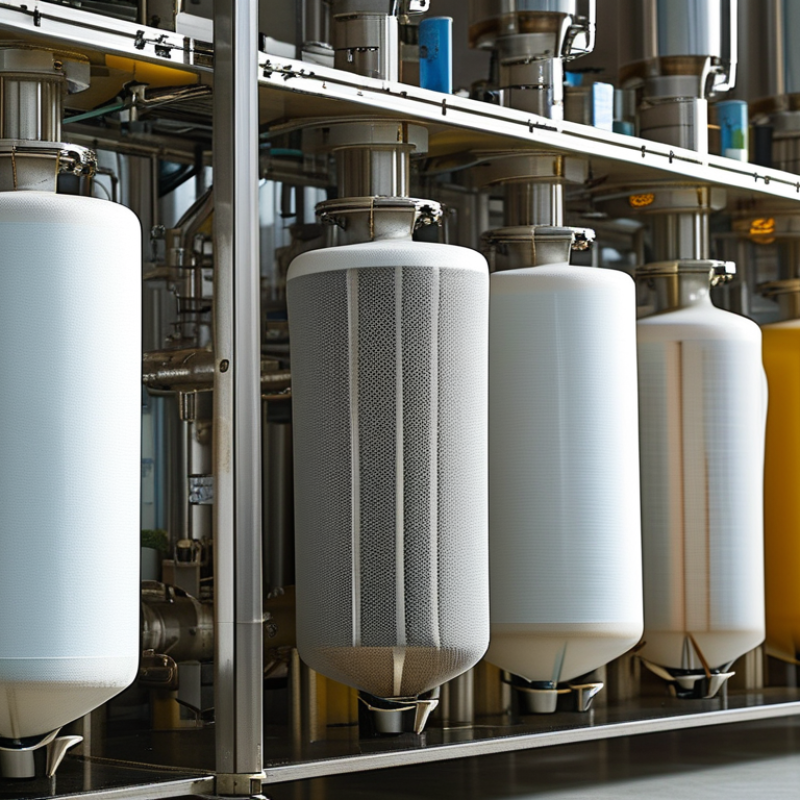
What is Bag Filtration: An Overview of the Technology
Bag filtration is a crucial technology widely used in various industries. This method removes contaminants from gas or liquid streams, ensuring cleaner and safer output. The principle is simple: fluid passes through a filter medium, which retains solid particles while allowing the clean fluid to flow through.
The bag filter itself consists of a textile material, usually sewn or crafted into a bag shape. The design allows for variable filtration efficiencies, adapting to different needs. The choice of material is vital. For example, some fabrics are better for high temperatures, while others excel at capturing fine particles. Regular maintenance is necessary. This includes changing the filter bags to maintain efficiency and prevent blockage.
While bag filtration systems are effective, not every design works for all applications. Users may experience challenges with flow rates or bag lifespan. It’s essential to evaluate the specific requirements and conditions, ensuring the best fit for your needs. A poorly chosen system can lead to increased operational costs and ineffective filtration. Understanding these aspects is fundamental for making informed decisions in filtration technology.
Bag Filtration Efficiency: A Comparison of Filter Types
This chart illustrates the filtration efficiency of various types of bag filters used in industrial applications. As seen, PTFE and Glass Fiber filters offer the highest efficiency, making them ideal for critical filtration processes.
The Components of Bag Filtration Systems Explained
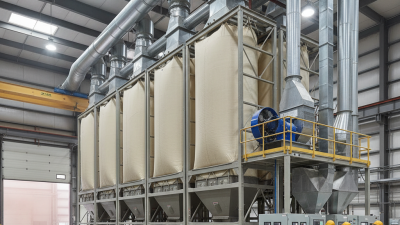
Bag filtration systems play a crucial role in various industries, providing an efficient way to remove particulates from air or liquid streams. Understanding the key components of these systems helps buyers make informed decisions. Central to bag filtration is the filter bags themselves, designed to capture dust, dirt, and other contaminants. They're typically made of different materials, each suited for specific applications. For instance, synthetic fibers are common for chemical processes, while natural fibers might be used in food applications.
Another essential component is the bag filter housing. It is the structure that holds the filter bags in place, ensuring optimal performance. The design can vary based on system size and application needs. Properly designed housings prevent leaks and maintain consistent airflow. It's also vital to consider the inlet and outlet configurations during installation.
Tips for buyers: consider your filtration needs. Evaluate the types of contaminants present in your operation. This will guide your choice of filter materials and design. Don’t overlook maintenance needs. Regular checks help prolong the lifespan of your filter bags. Also, remember that not all filters are created equal; research your options before purchasing to avoid costly mistakes. Understanding these components will help make the right choice in bag filtration systems.
How Bag Filtration Works: The Process Step-by-Step
Bag filtration is a widely used technique for air and liquid purification. This process is essential in various industries, including pharmaceuticals, food production, and manufacturing. The operation begins with contaminated air or liquid entering the filter bag. The porous material of the bag captures particles, allowing clean air or fluid to flow through. According to a report by the American Filtration and Separations Society, up to 99% efficiency in particle removal can be achieved with high-quality filtration systems.
Once the air or liquid is filtered, it moves to the next stage in the system. Here, it is tested for contaminants to ensure compliance with industry standards. Regular monitoring is crucial. Inefficiencies can arise if bags become overloaded, leading to increased pressure drops. This can result in a compromised filtration process. Data shows that around 30% of filtration failures are due to maintenance oversights, highlighting the need for routine checks.
Users must stay informed about filter replacement and cleaning schedules. Training for personnel is also vital. Inadequate knowledge can lead to improper handling, negating the benefits of a well-designed filtration system. Careful management and understanding of bag filtration processes significantly enhance operational efficiency and product quality.
Benefits of Using Bag Filtration for Industrial Applications
Bag filtration is an essential method in industrial applications. It offers several benefits that enhance operational efficiency and product quality. This technique uses filter bags to capture particles and contaminants from various processes. Industries like food processing, pharmaceuticals, and mining rely on bag filtration to maintain product purity and comply with safety regulations.
One of the primary advantages of using bag filtration is its ability to handle large volumes of liquid or air. This efficiency is crucial for industries operating at scale. The bag filters can be designed to capture specific particle sizes, improving overall system performance. However, selecting the right filter can be challenging. Incorrect choices may lead to inefficiencies or increased downtime.
Cost-effectiveness is another key benefit. Bag filtration systems often require lower initial investment compared to other filtration methods. They also have a relatively simple maintenance routine, which can save time and labor costs. Still, it’s vital to monitor filter health regularly. Over time, bags can clog and hinder performance if not replaced timely. Balancing cost savings with proper maintenance is an ongoing challenge for many facilities.
Choosing the Right Bag Filtration System for Your Needs
Choosing the right bag filtration system can be challenging. Various factors come into play. Considering your specific needs is vital. Different applications require different filtration methods. The choice affects efficiency and cost.
Tips: Assess your filtration needs clearly. What type of particles do you aim to capture? Dust, smoke, or chemicals? Understanding your requirements helps narrow down options. Evaluate the environment where the filtration system will be used. Some systems perform better in specific conditions.
Installation and maintenance are also important. A system that's easy to install saves time and effort. Maintenance can affect long-term performance. Opt for designs that ease access for cleaning or bag replacement. Regular checks ensure the system operates at peak efficiency. This helps in avoiding costly downtimes. Reflect on your selections to achieve optimal results.


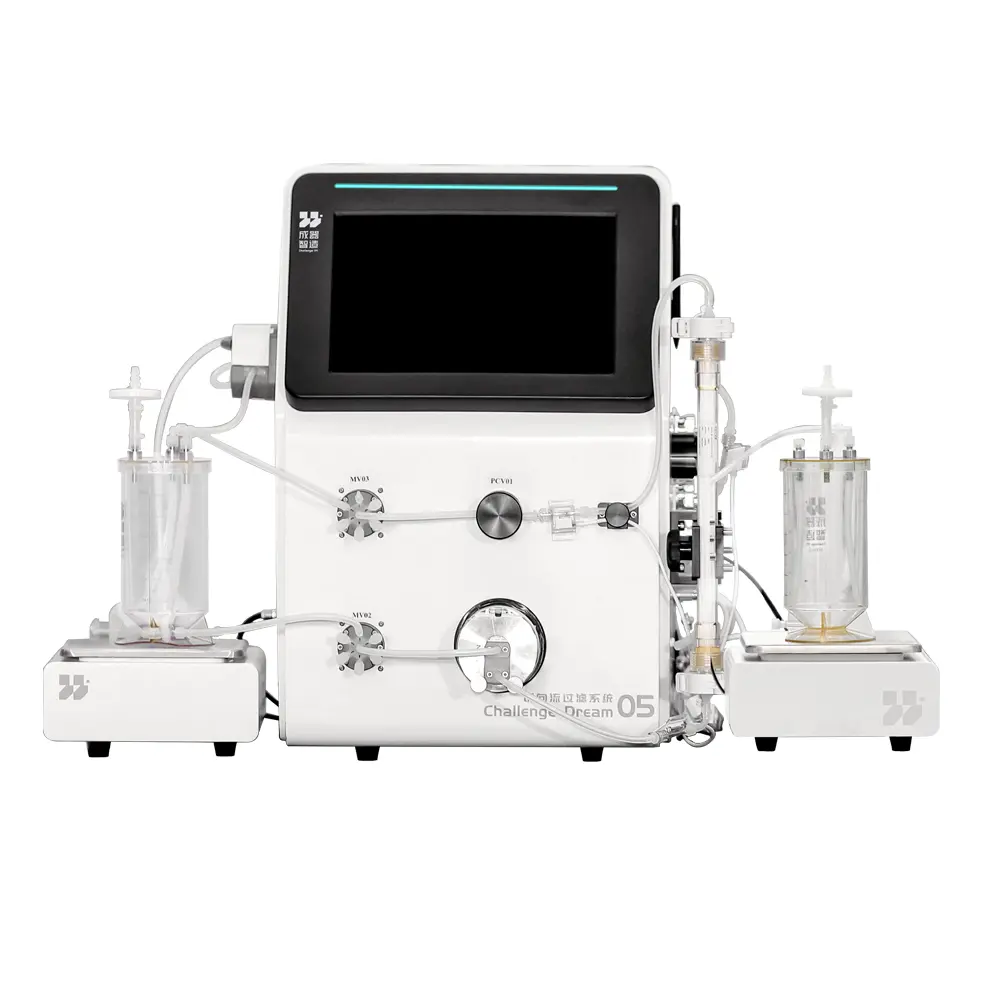 Tangential Flow Filtration(TFF) System
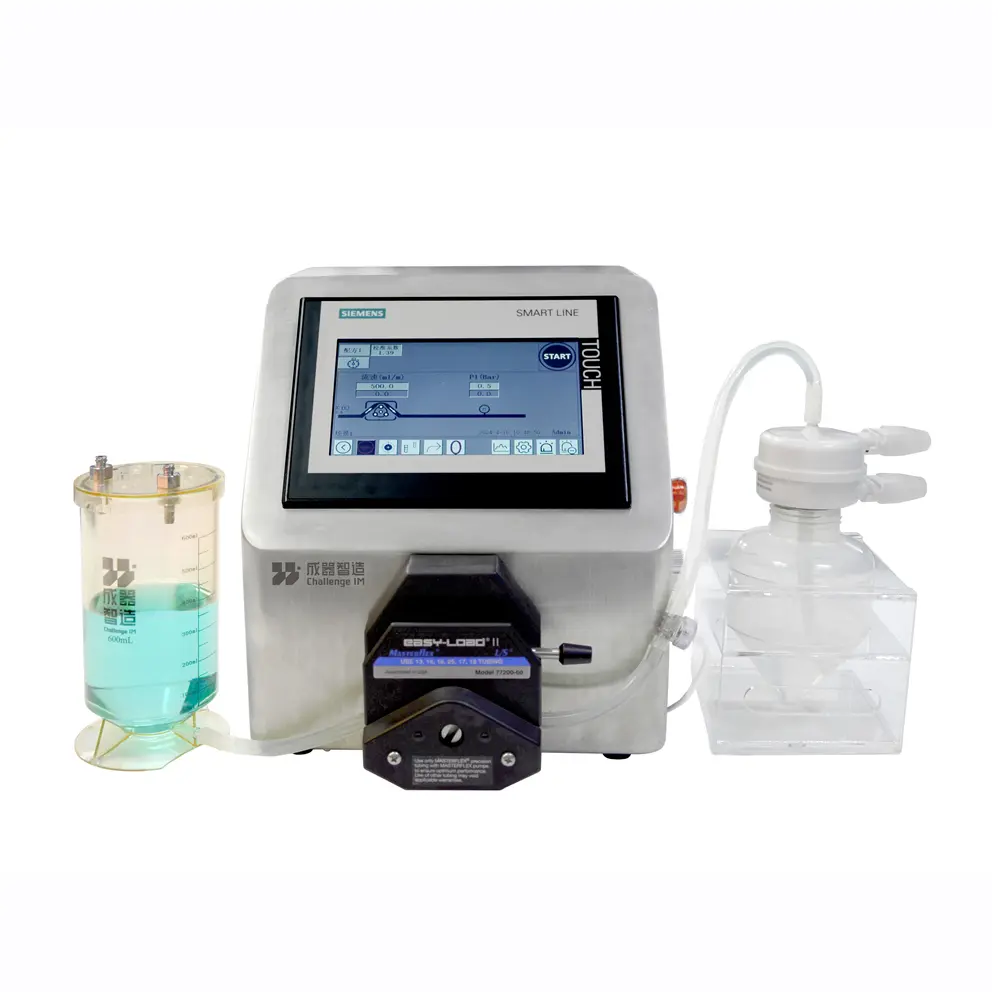 Jump Pump
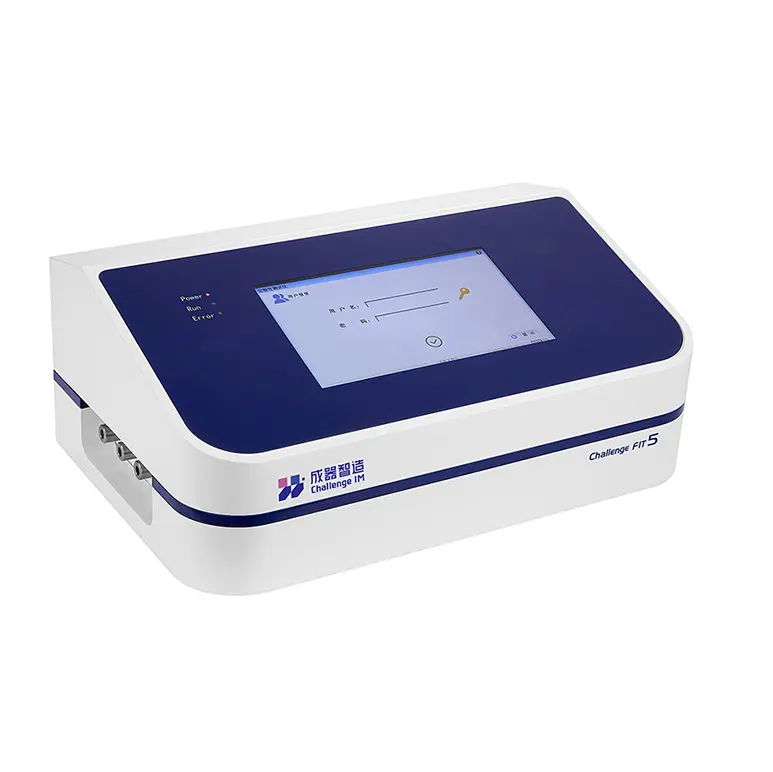 FIT Integrity Tester
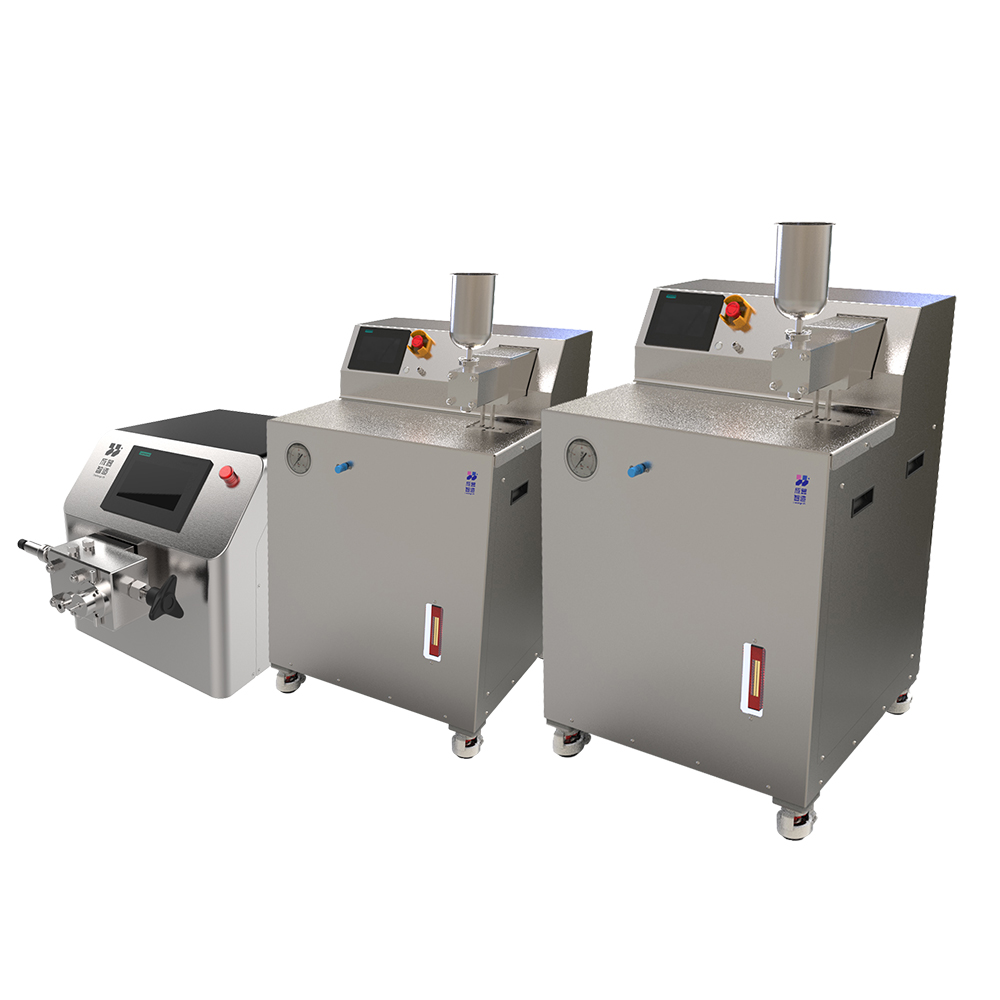 High Pressure Homogenizers
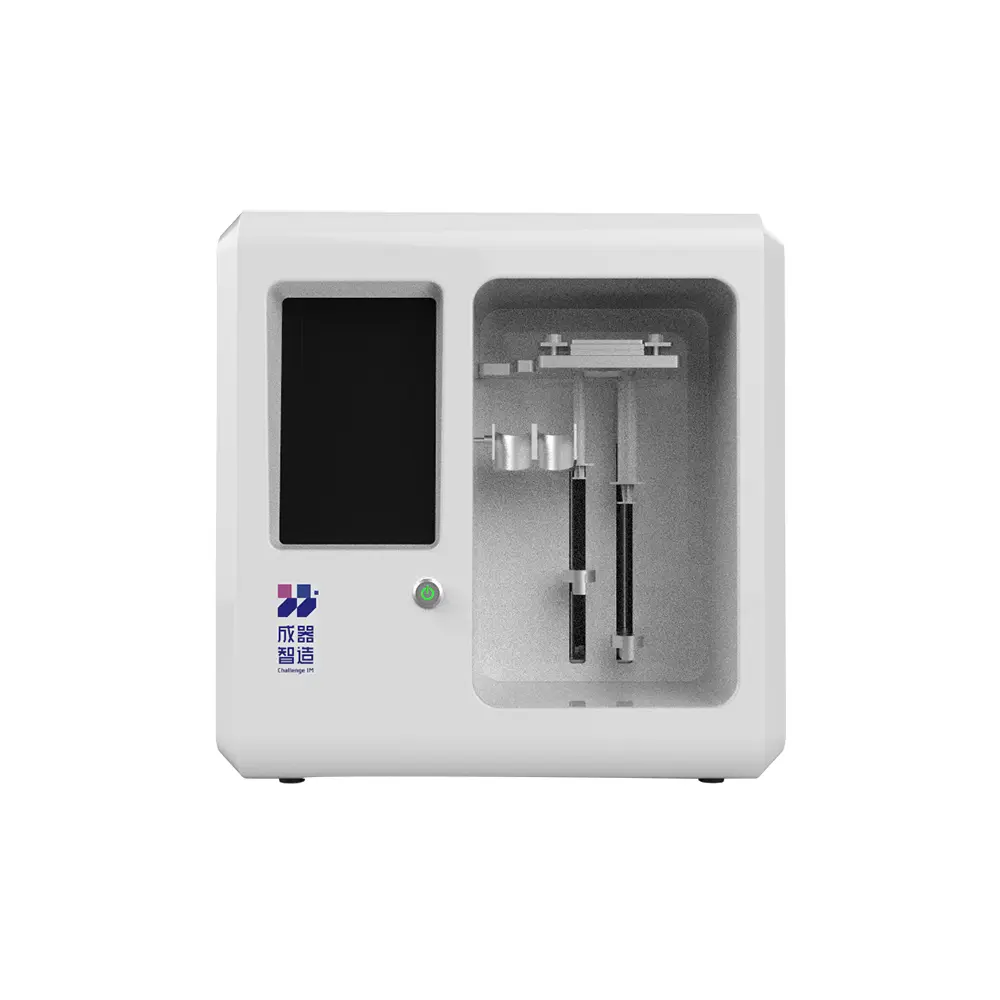 Microfluidics