What are the Benefits of Nanofiltration Filters for Water Treatment?
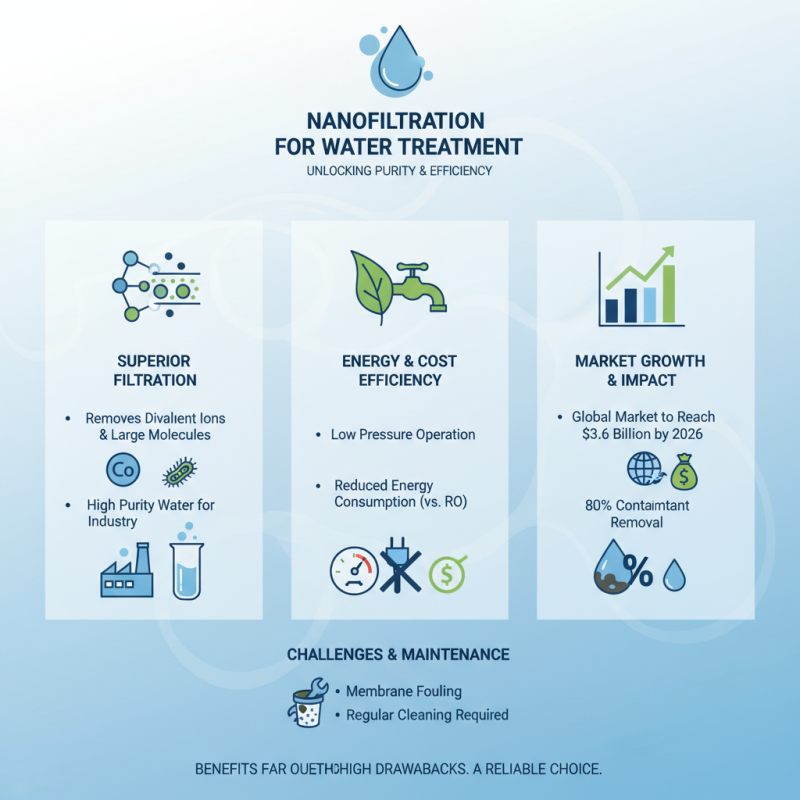
Nanofiltration filters have emerged as a critical technology in water treatment. This filtration method offers a range of benefits that enhance water quality. According to a report by the Water Environment Federation, the global nanofiltration market is projected to reach USD 3.6 billion by 2026, highlighting its growing relevance.
Nanofiltration filters effectively remove divalent ions and larger molecules. They operate with low pressure, which reduces energy consumption compared to reverse osmosis systems. A study published in the Journal of Membrane Science shows that nanofiltration can achieve over 80% removal of hardness and other contaminants. Such efficiency is crucial for industries requiring high-purity water.
However, challenges remain. The membranes in nanofiltration filters can suffer from fouling, which reduces efficiency. Regular maintenance is necessary to sustain performance. Despite these issues, the benefits far outweigh the drawbacks, making nanofiltration filters a reliable choice for water treatment.
Benefits of Enhanced Water Quality Through Nanofiltration Technology
Nanofiltration technology offers significant benefits for enhancing water quality. This process removes smaller particles than traditional filtration systems. It effectively addresses impurities like organic matter and certain heavy metals. By employing nanofiltration, water treatment facilities can achieve higher purity levels. The result is cleaner water for drinking and industrial uses.
One notable advantage is the reduction of harmful substances. Nanofiltration can eliminate pathogens, leading to improved public health. Consumers notice a difference in taste and smell. However, the technology is not without challenges. Some contaminants may still pass through the filter. Regular monitoring and maintenance are essential to ensure effectiveness.
Moreover, energy efficiency is a vital consideration. Nanofiltration systems often require less energy compared to reverse osmosis systems. This can lead to cost savings and a smaller carbon footprint. Still, the initial setup costs for nanofiltration can be high. This prompts a conversation about balancing investment and long-term benefits. Understanding these factors is crucial for optimizing water treatment processes and ensuring reliable clean water access.
Benefits of Nanofiltration Filters for Water Treatment
Efficiency of Nanofiltration in Removing Contaminants and Solutes
Nanofiltration (NF) plays a crucial role in water treatment. It effectively removes contaminants, ensuring safe drinking water. Its selectivity allows it to separate smaller molecules and ions from larger particles. This feature is particularly important for industries seeking water purity without extensive energy use.
Nanofiltration membranes can remove divalent and some monovalent ions. This includes hardness-causing minerals like calcium and magnesium. Reducing these elements leads to softer water, beneficial for many applications. However, NF may not remove all pathogens. This limitation necessitates supplementary disinfection processes in some cases.
The operation of NF systems can be impacted by fouling and scaling. These issues require regular maintenance and monitoring. Understanding the water composition is vital for optimizing its performance. While NF offers significant benefits, it’s essential to recognize these challenges for effective application.
What are the Benefits of Nanofiltration Filters for Water Treatment? - Efficiency of Nanofiltration in Removing Contaminants and Solutes
| Contaminant Type |
Removal Efficiency (%) |
Molecular Weight Cut-off (Daltons) |
Common Sources |
| Divalent Cations (e.g., Calcium, Magnesium) |
90 - 98 |
500 - 1000 |
Groundwater, Agricultural Runoff |
| Monovalent Cations (e.g., Sodium, Potassium) |
80 - 90 |
100 - 500 |
Seawater, Industrial Discharge |
| Organic Compounds (e.g., Pesticides, Herbicides) |
85 - 95 |
200 - 800 |
Agricultural Fields, Landfills |
| Color and Turbidity |
90 - 99 |
N/A |
Natural Water Bodies, Industrial Waste |
| Viruses and Bacteria |
99 - 99.9 |
N/A |
Wastewater, Contaminated Sources |
Cost-effectiveness of Nanofiltration Systems in Water Treatment Processes
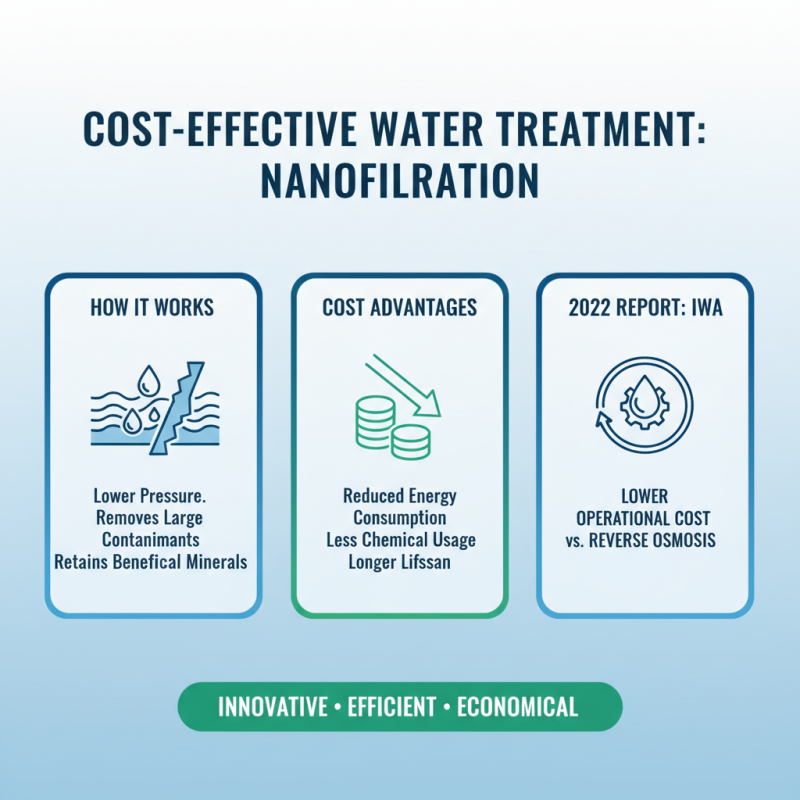
Nanofiltration (NF) systems serve as an innovative solution for water treatment, especially concerning cost-effectiveness. These filters operate at a pressure that allows for the removal of larger contaminants while retaining beneficial minerals. According to a 2022 report by the International Water Association, NF systems boast a lower operational cost compared to traditional methods such as reverse osmosis.
Investing in nanofiltration can be financially advantageous. By reducing energy requirements and chemical use, facilities can save significantly over time. The same IWA report highlights that facilities using NF systems have reported up to a 30% reduction in annual water treatment costs. This makes NF particularly appealing for industries focused on sustainable practices.
Tips: Consider ongoing maintenance costs when evaluating nanofiltration systems. Regular monitoring can improve efficiency and prolong the lifespan of your filters. Always assess your specific water treatment needs before making a final decision. Keep in mind that, while NF systems offer many benefits, they may not completely replace conventional methods for all water sources.
Sustainability and Energy Savings Associated with Nanofiltration
Nanofiltration filters represent a significant advancement in water treatment technologies.
They effectively remove contaminants while ensuring minimal energy consumption. This balance of efficiency and sustainability is crucial for modern water purification systems.
The membrane technology used in nanofiltration operates at lower pressures compared to reverse osmosis.
This translates into energy savings and reduced operational costs.
The reduced energy requirement of nanofiltration systems can lead to a significant decrease in greenhouse gas emissions.
As industries seek sustainable practices, these filters provide an environmentally friendly solution.
Implementing nanofiltration can enhance water recovery rates. This means that less water is wasted in the treatment process, making it a superior option.
Despite the benefits, there are challenges to consider. Membrane fouling can compromise efficiency over time.
Regular maintenance is crucial to sustain performance and energy savings. Selecting appropriate pre-treatment methods can prolong the lifespan of the filters.
Organizations need to be vigilant and proactive in addressing these issues.
This ongoing evaluation ensures the long-term sustainability of their water treatment efforts.
Applications of Nanofiltration in Various Industries and Their Outcomes
Nanofiltration technology is becoming a pivotal part of water treatment across various industries. Its applications extend beyond simple filtration. In food and beverage, it effectively removes unwanted compounds while preserving essential nutrients. This balance improves product quality, ensuring safety and taste. Many producers are impressed by the reduction in waste during production.
In the textile industry, nanofiltration plays a crucial role in dye recovery. By capturing dye molecules, manufacturers save on raw materials and reduce environmental impact. However, industries often overlook the energy costs associated with high-pressure operations. Regular maintenance is essential to ensure optimal performance, sometimes requiring extra resources.
Nanofiltration isn't without challenges. Some systems may necessitate frequent membrane replacements. This could increase costs over time. Understanding the balance between benefits and expenses is vital for informed decisions. Many industries are exploring this technology, but adaptability to varying needs remains crucial for success.


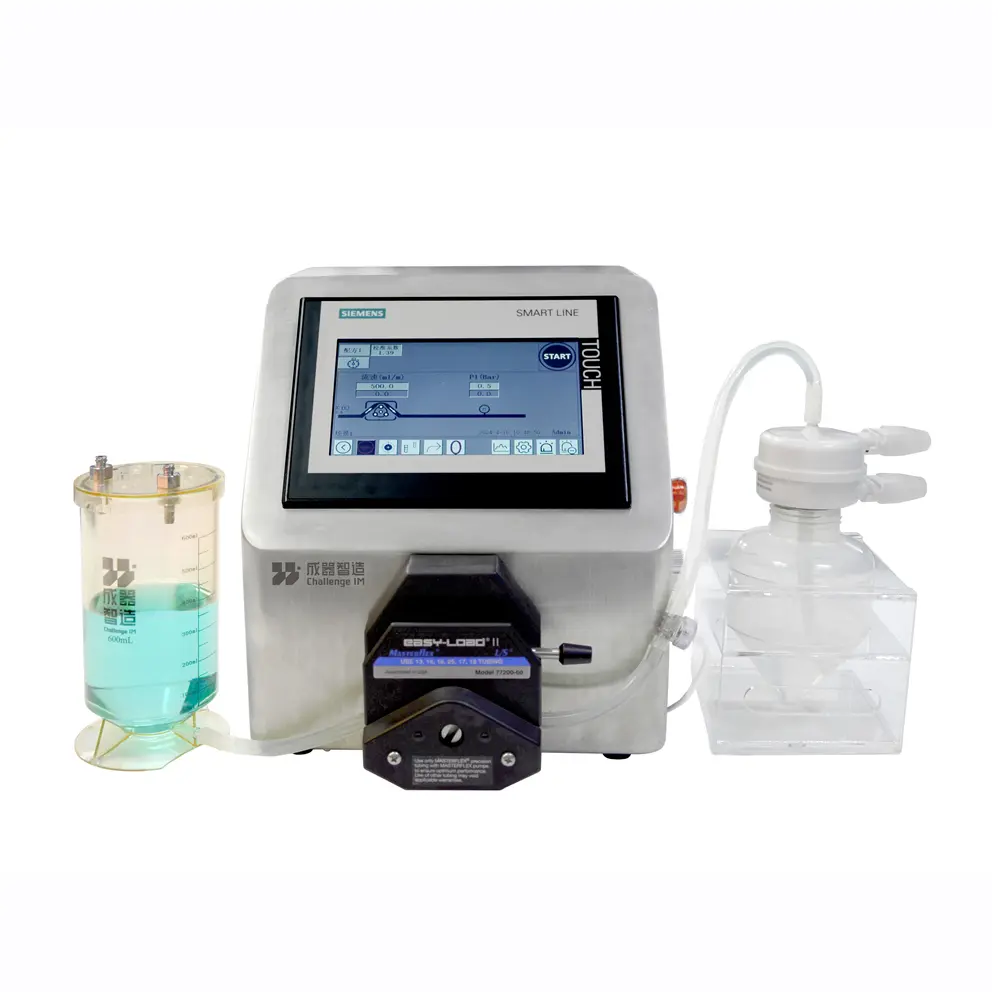
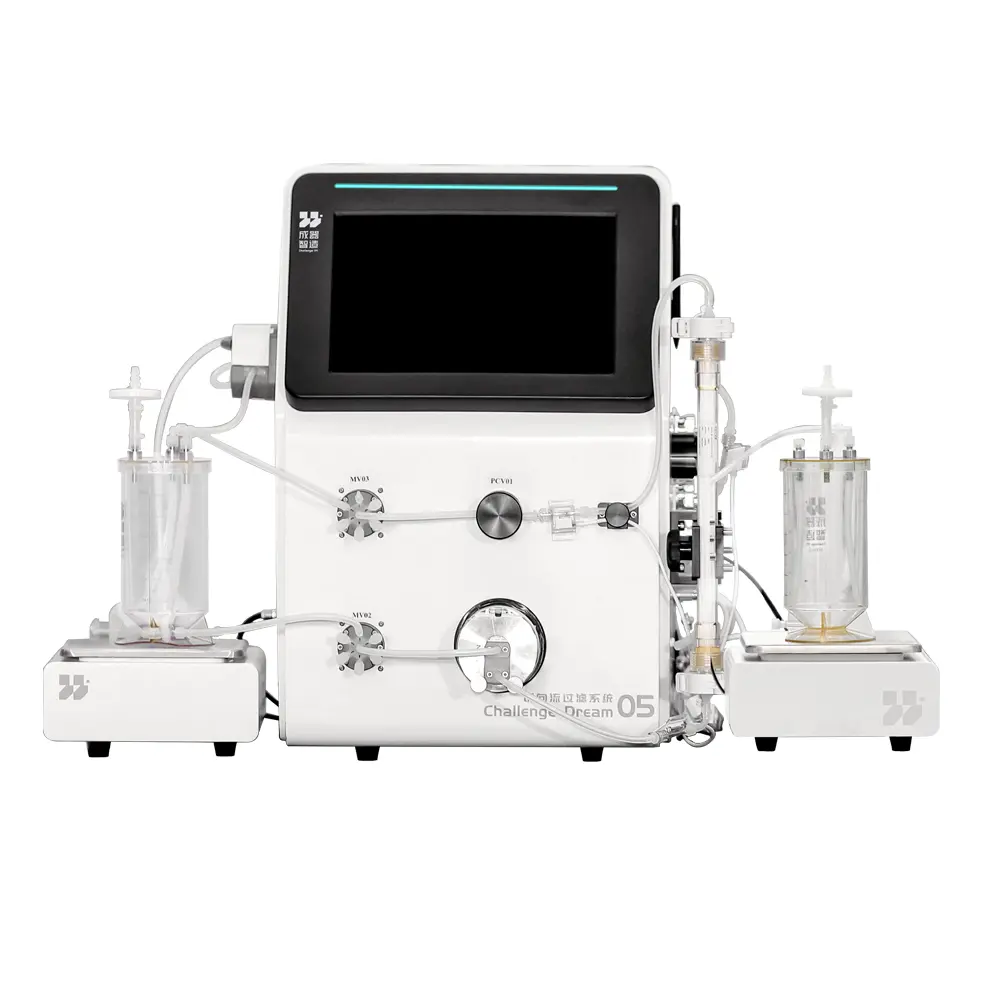 Tangential Flow Filtration(TFF) System
 Jump Pump
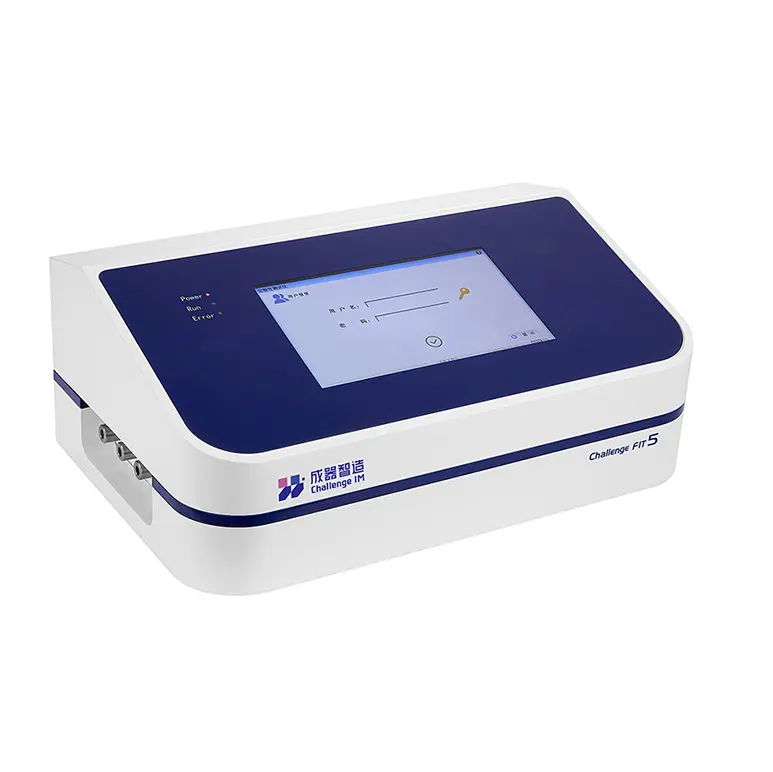 FIT Integrity Tester
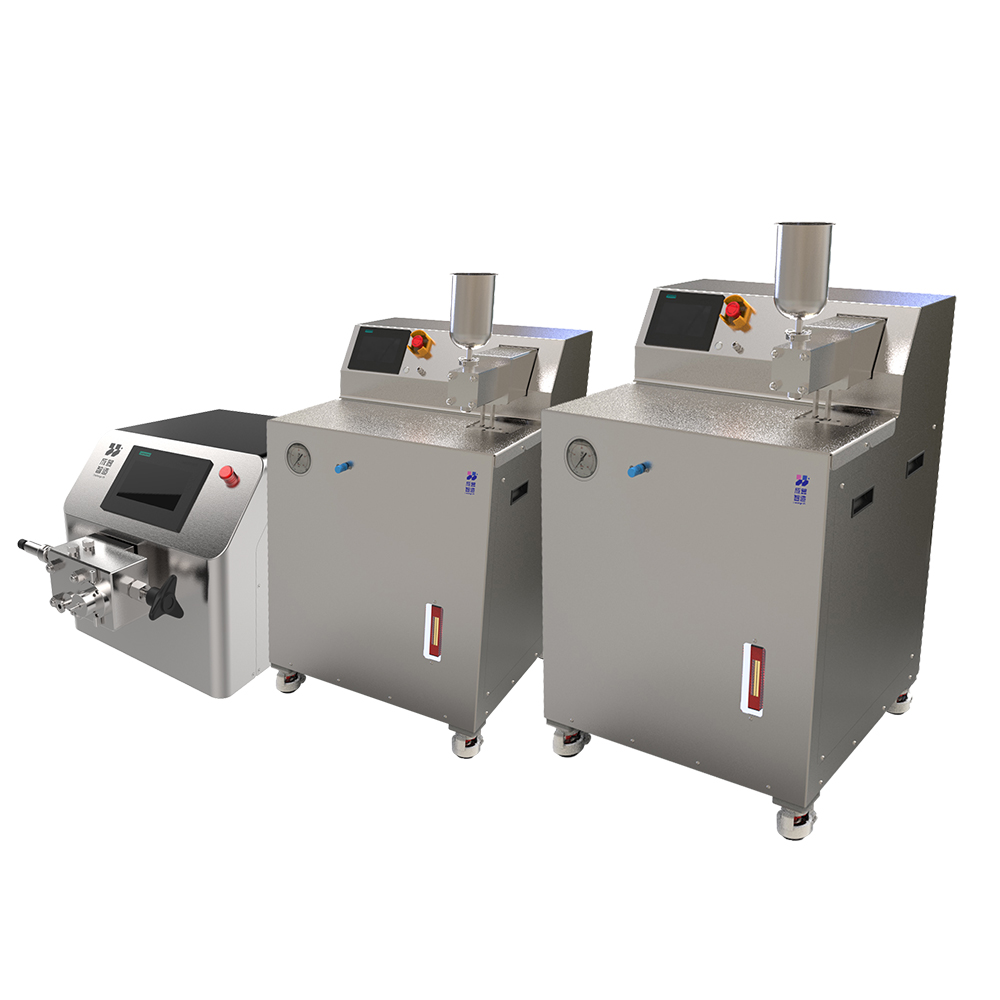 High Pressure Homogenizers
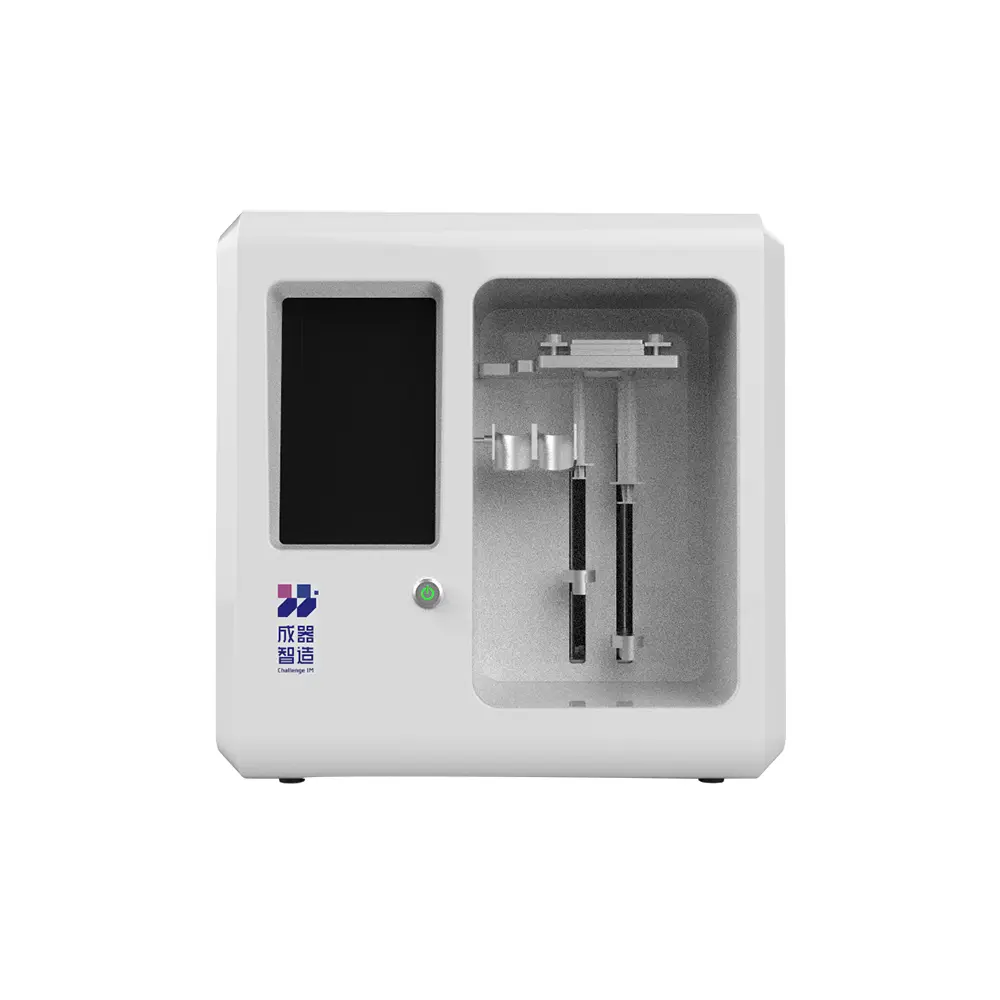 Microfluidics