Best Ultrafiltration Systems for Efficient Water Treatment Solutions?
In recent years, the demand for clean water has skyrocketed. This surge has spotlighted the importance of effective purification methods. Ultrafiltration (UF) systems stand out for their efficiency. They remove particles and pathogens effectively, ensuring safe drinking water.
Many UF systems use advanced membranes for filtration. This technology not only improves water quality but also supports environmental sustainability. Despite their benefits, some systems may require regular maintenance to function optimally. Users must be proactive in ensuring their systems are well-kept. Understanding this balance is crucial for long-term effectiveness.
While Ultrafiltration offers remarkable advantages, some limitations exist. Certain dissolved solids might not be eliminated fully. Therefore, users should consider complementary treatments. By doing so, they can enhance water quality. Ultimately, selecting the best Ultrafiltration system involves evaluating various factors. These include water source, budget, and specific filtration needs.

Overview of Ultrafiltration Technology in Water Treatment
Ultrafiltration technology plays a pivotal role in modern water treatment solutions. It employs a membrane that effectively separates particles and microbial contaminants from water. This process ensures that only clean water passes through while larger particles, bacteria, and viruses are retained. The result is a significant improvement in water quality, making it safer for use.
When considering ultrafiltration systems, understanding the types of membranes is crucial. Different membranes offer varying levels of filtration efficiency and lifespan. Regular maintenance and cleaning of these membranes are vital for optimal performance. Neglecting this can lead to a decrease in effectiveness, impacting water quality.
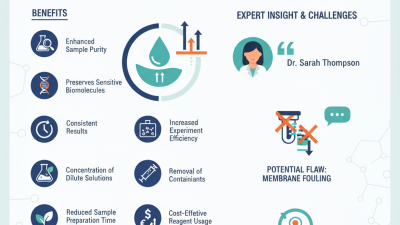
Tips: Implement routine checks on your ultrafiltration system. Monitor pressure levels, as drops may indicate membrane fouling. Using pre-filters can enhance the lifespan of your ultrafiltration membranes, reducing long-term costs. Don't underestimate the importance of staff training on the system's operation and maintenance. Proper knowledge can prevent common errors that lead to inefficiencies.
It's essential to recognize that while ultrafiltration is effective, it's not a one-size-fits-all solution. Some contaminants may still pass through, requiring additional treatment methods. This often leads to trial and error before finding suitable configurations for specific water sources. Each system must be assessed based on individual needs, ensuring reliability and effectiveness in water treatment.
Key Features of Effective Ultrafiltration Systems
Ultrafiltration systems are becoming essential for effective water treatment. These systems use membranes with tiny pores to filter out particles, bacteria, and some viruses. According to a recent report by the International Water Association, ultrafiltration can remove up to 99% of pathogens and particulates from water sources. This effectiveness is critical in areas facing water quality challenges.
Key features of efficient ultrafiltration systems include their membrane materials and pre-treatment requirements. High-quality membranes, made from polymers like polysulfone or polyethersulfone, enhance durability and filtration performance. Moreover, proper pre-treatment can minimize fouling, a common issue that needs attention. Research indicates that systems with less than 50 NTU turbidity in feed water can improve lifespan and efficiency significantly.
Another important aspect is system automation. Advanced sensors and monitoring systems help detect fouling and adjust operations automatically. This feature enhances reliability and reduces maintenance costs. However, many operators overlook the importance of routine checks, which can lead to performance drops. Regular maintenance is crucial to ensure continued efficacy. Investing time in these areas can greatly benefit overall water quality and treatment efficiency.
Best Ultrafiltration Systems for Efficient Water Treatment Solutions
This chart illustrates key features of effective ultrafiltration systems, showcasing their flow rate, membrane area, rejection rate, and energy consumption. These metrics are essential for evaluating the efficiency and performance of different water treatment solutions.
Top Ultrafiltration Systems on the Market Today
When exploring the top ultrafiltration systems available today, it’s crucial to assess their features critically.
Ultrafiltration systems use semi-permeable membranes to filter out contaminants. They remove bacteria, viruses, and larger particles. This technology is gaining traction in both residential and commercial settings.
Choosing the right system can be challenging. Consider factors like membrane pore size, flow rate, and maintenance requirements.
Many systems come with different capacities. It's essential to select one that meets your daily water consumption needs.
Be aware that some models might require regular cleaning or replacement to ensure optimal performance.
Tips: Check online reviews to assess user satisfaction. Understanding the experiences of others can guide your decision.
It’s also wise to verify certifications for any system you consider.
Testing water quality before and after installation can reveal effectiveness.
Remember, investing time in research pays off with long-term benefits.
Stay informed about advancements in filtration technology, as options continually evolve.
Factors to Consider When Choosing an Ultrafiltration System
When selecting an ultrafiltration system, several important factors must be taken into account. Water quality plays a crucial role. Analyze the contaminants present in your water supply. This can include dirt, bacteria, and larger particles. Understanding these will guide you in choosing the right system that effectively addresses these issues.
Another key consideration is the system's filtration capacity. Different systems offer varying rates of water flow. High-capacity systems are advantageous for larger households. Conversely, smaller systems may work well for apartments. Evaluate your daily water usage to ensure you choose a system that meets your needs.
Additionally, maintenance requirements should not be overlooked. Some systems need regular filter replacements and cleaning. This can be time-consuming and costly over time. Understanding the maintenance demands will help in making a practical decision. A well-maintained system can prolong its lifespan and improve efficiency, but neglect can lead to decreased filtration performance.
Best Ultrafiltration Systems for Efficient Water Treatment Solutions
| System Type |
Membrane Material |
Flow Rate (L/h) |
Operating Pressure (bar) |
Removal Efficiency (%) |
Maintenance Frequency (Months) |
| Compact Ultrafiltration Unit |
Polymeric |
100 |
1.5 |
99 |
12 |
| Portable Ultrafiltration System |
Ceramic |
75 |
2.0 |
98 |
24 |
| Industrial Ultrafiltration System |
Polymeric |
800 |
3.0 |
99.5 |
6 |
| Home Ultrafiltration System |
Composite |
50 |
1.2 |
97 |
18 |
Maintenance and Performance Optimization of Ultrafiltration Systems
When it comes to ultrafiltration systems, maintenance is key. Regular checks ensure optimal performance and longevity. Neglecting routine maintenance can lead to decreased efficiency. This may result in higher operational costs over time.
Tips for effective maintenance include cleaning the filter membranes regularly. This prevents fouling and keeps water flow consistent. Monitor pressure drops across the system. Sudden changes may indicate issues that need addressing.
Performance optimization also requires attention to feed water quality. Assess the source regularly. Contaminants can affect the system’s lifespan. It’s important to replace pre-filters accordingly. Consistent adjustments can improve overall system efficiency. Even small changes can make a significant difference in water treatment outcomes.


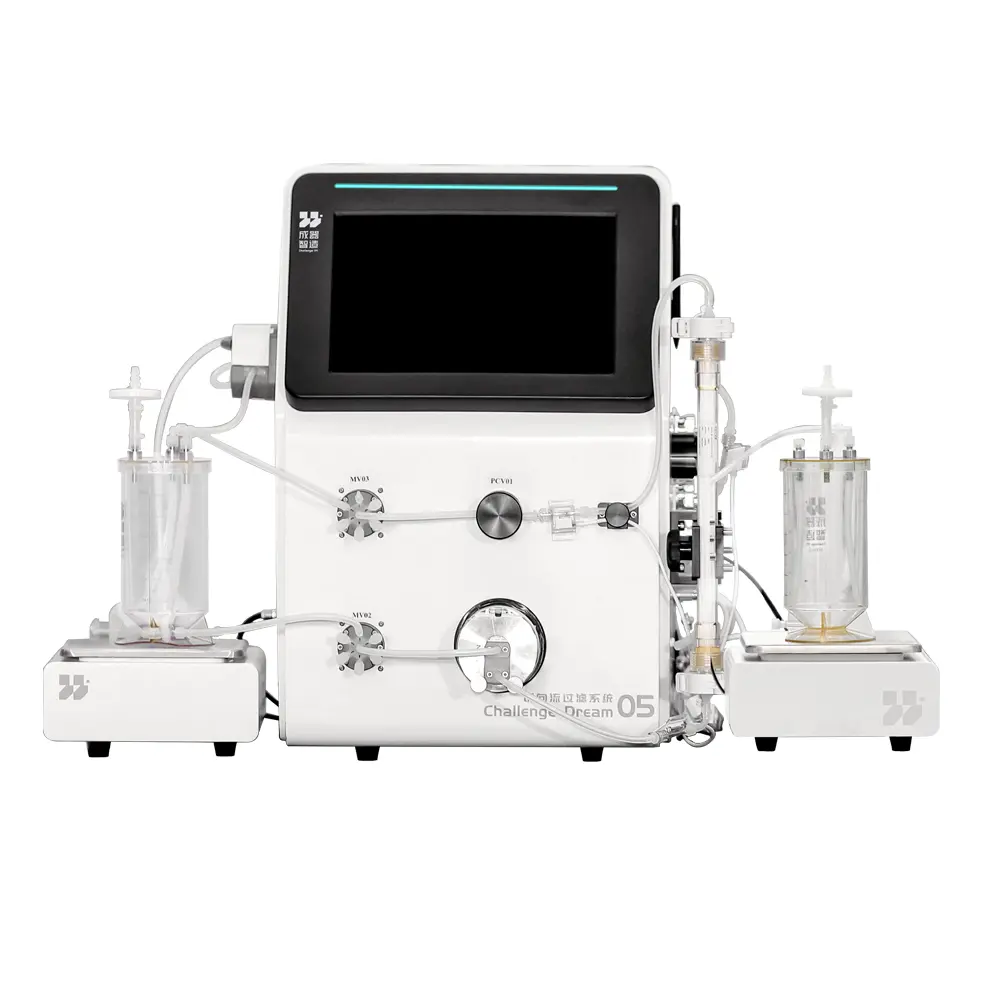 Tangential Flow Filtration(TFF) System
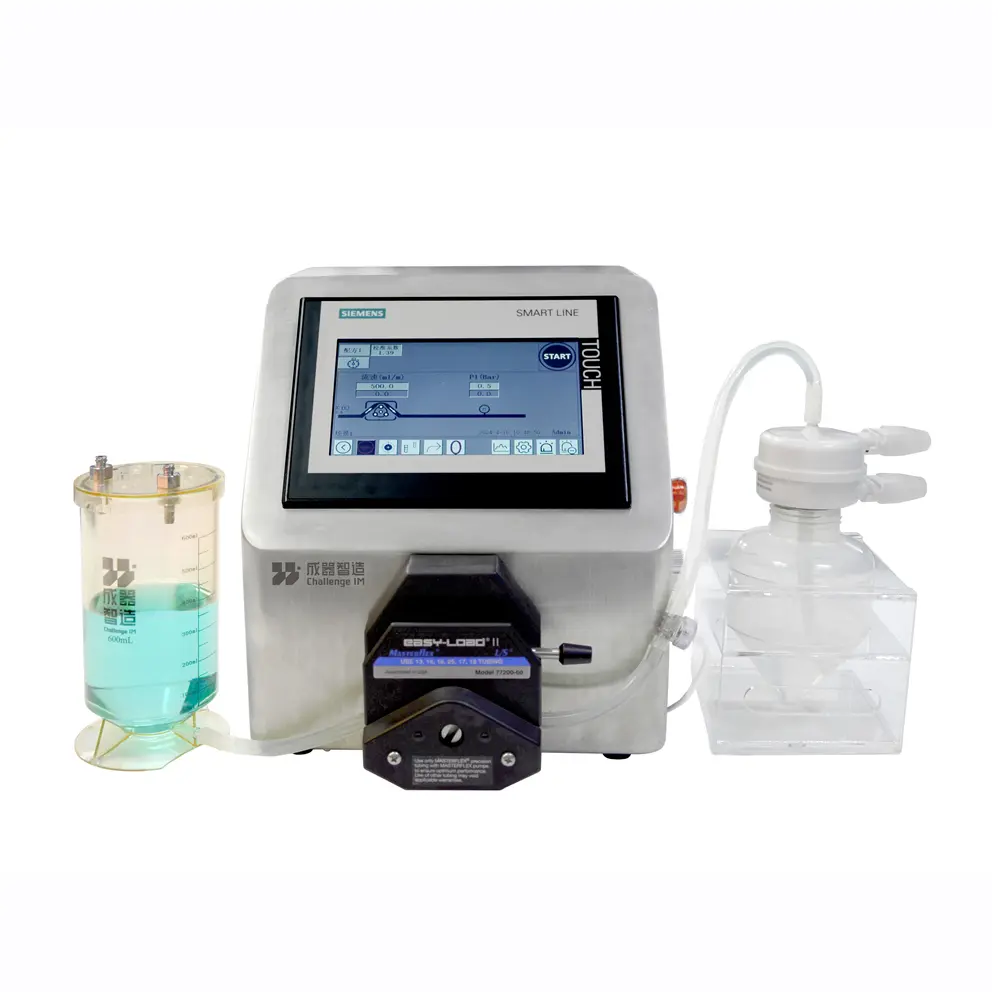 Jump Pump
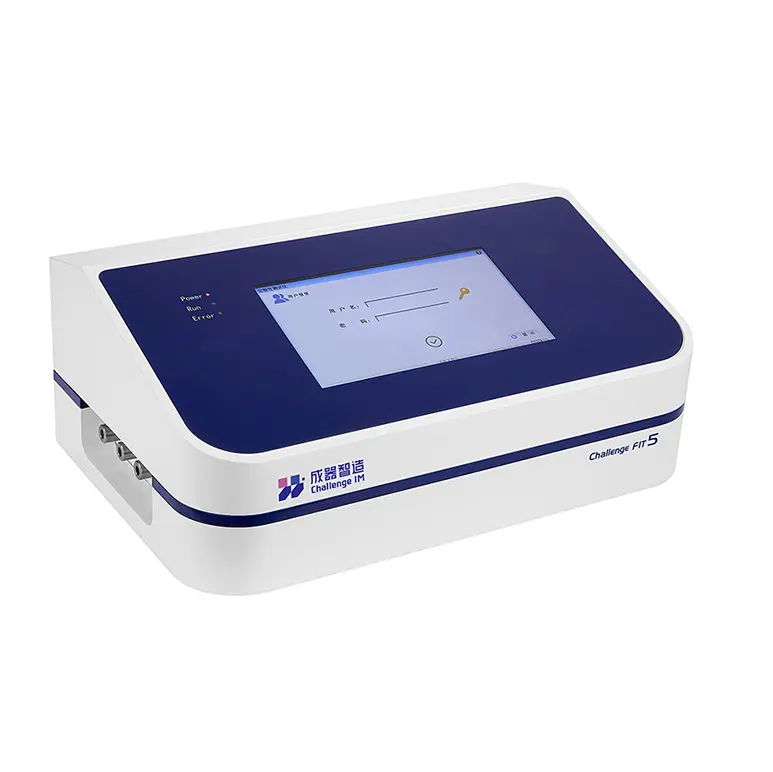 FIT Integrity Tester
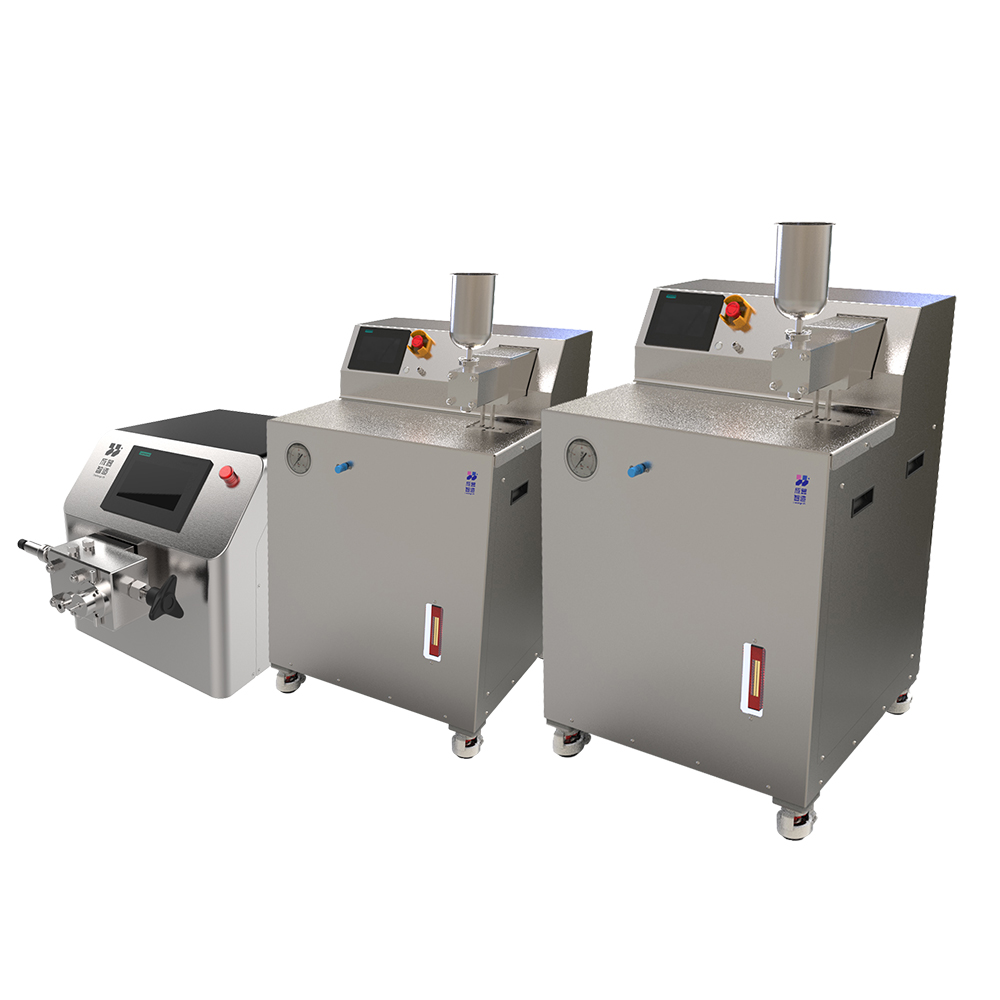 High Pressure Homogenizers
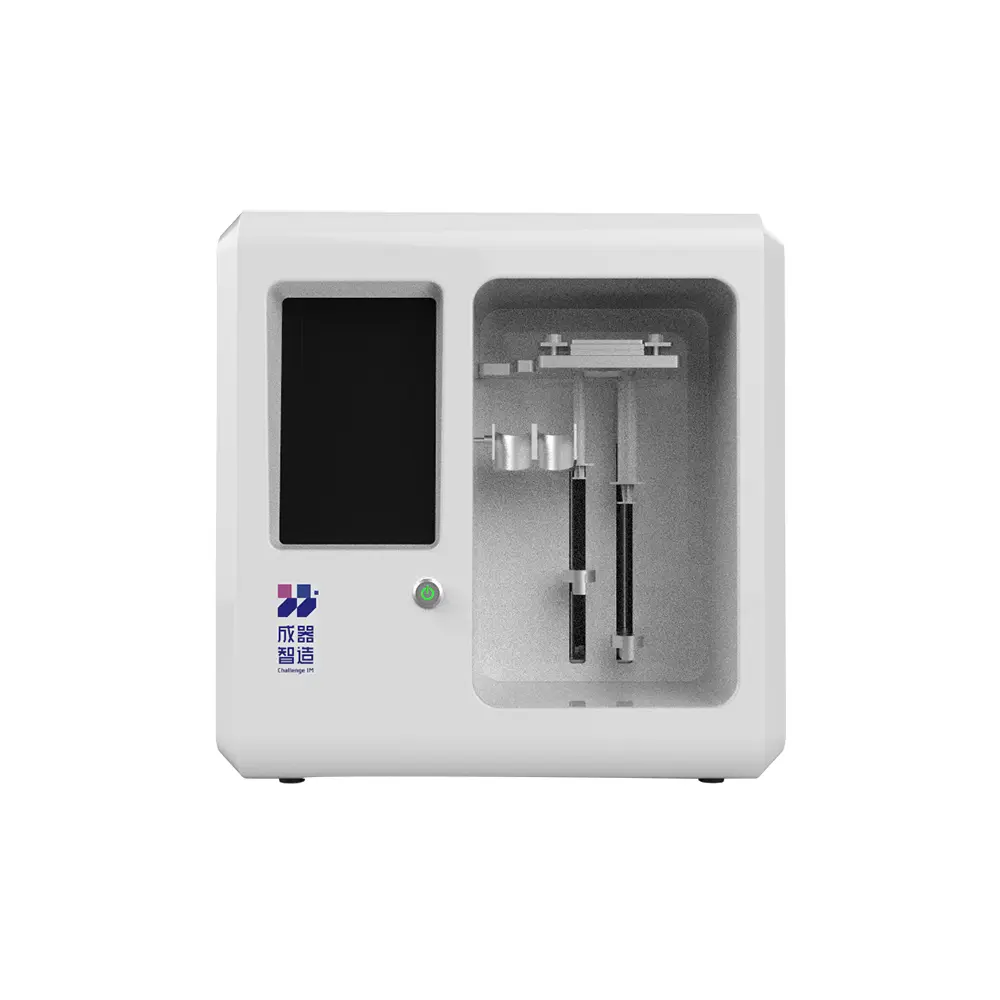 Microfluidics