Why You Should Choose the Right Filtration Bag for Your Needs?
Choosing the right Filtration Bag is crucial for various industries, including food processing and pharmaceuticals. According to a report by MarketsandMarkets, the global filtration market is expected to reach $39.24 billion by 2025. This growth shows the increasing importance of effective filtration solutions.
Dr. Emily Carter, an expert in filtration technologies, emphasizes, "Selecting the right Filtration Bag can significantly enhance operational efficiency." Many companies overlook the specifics of their filtration needs. This oversight can lead to suboptimal performance and increased operational costs.
Different applications require unique filtration properties. A generic Filtration Bag may not provide the desired results. In fact, using the wrong type can lead to contamination issues. Companies should assess their requirements thoroughly to avoid costly errors. The choice of a Filtration Bag impacts not just performance but also safety and compliance with industry standards.
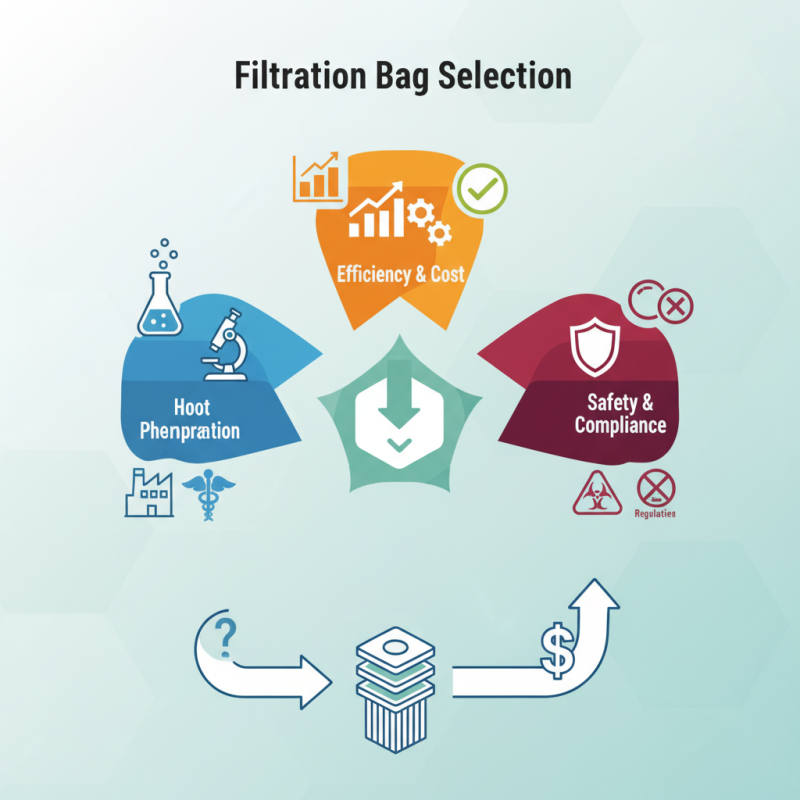
Importance of Filtration Bags in Various Applications
Filtration bags play a critical role in many industries. Their main function is to trap contaminants from liquids and gases. This is vital for maintaining quality and safety. According to a recent market report, the filtration market is expected to grow by 6.5% annually, indicating strong demand across various sectors.
In water treatment, filtration bags prevent pollutants from entering the supply. A study found that improper filtration can lead to a 40% increase in maintenance costs. This highlights the importance of choosing the right material and micron rating for your needs. For example, polyester and polypropylene are popular choices for their durability and efficiency.
In the food industry, filtration bags ensure product purity. Contaminated products can severely affect consumers. Research shows that 30% of food recalls were due to contaminants. This statistic emphasizes the need for effective filtration systems. While many industries recognize this necessity, many still overlook the importance of regular bag replacement. Ignoring this can lead to reduced efficiency and potential safety issues.
Types of Filtration Bags and Their Specific Uses
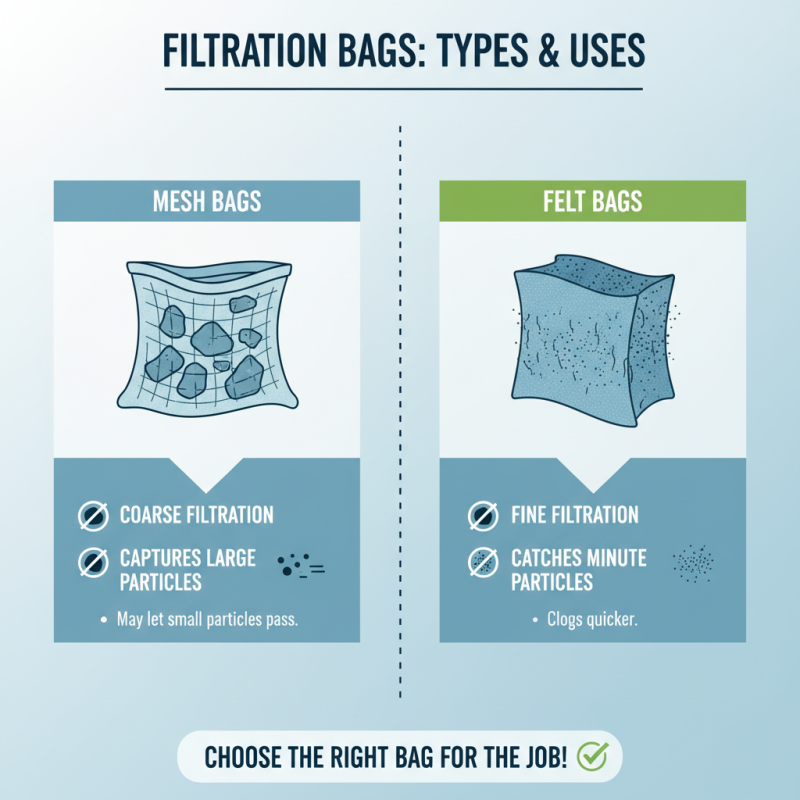
When selecting a filtration bag, understanding the types is crucial. Different tasks require different bags. For example, a mesh bag is ideal for coarse filtration. It effectively captures larger particles. However, it might let smaller contaminants slip through. If your needs are more precise, consider a felt bag. It's great for fine filtration and catches minute particles. Yet, it may clog quicker than mesh bags, requiring more frequent changes.
For liquid filtration, a polypropylene bag serves well. It withstands various solvents and temperatures. But, this material may not be suitable for all applications. Always check compatibility. Another option is activated carbon bags, which can remove odors and impurities. However, they have a limited lifespan. It's important to consider the environment and frequency of use. Your choice impacts performance and costs significantly.
While each bag type has strengths, they also have limitations. Choosing the wrong one could lead to inefficiencies. It’s not just about immediate needs but thinking ahead. What will you filter in the future? This reflection can help in making an informed decision.
Factors to Consider When Choosing a Filtration Bag
Choosing the right filtration bag is crucial for effective cleaning. Various factors influence this choice. Consider the material of the bag. Some fabrics filter finer particles, while others are better for larger debris. Polyester is strong and durable, making it suitable for industrial applications.
The size of the filtration bag matters too. A bag that’s too small will clog quickly. One that's too large may not fit properly. Think about the specific application as well. For example, bags used in swimming pools need different traits compared to those for sediment control in ponds.
Price can also be a concern. Sometimes, higher cost means better quality. But this is not always true. Weigh the benefits against your budget. Remember, a quality bag can save money in the long run. Make a choice based on careful evaluation. Don’t rush; each detail counts in achieving optimal filtration.
Why You Should Choose the Right Filtration Bag for Your Needs?
This chart represents the importance level of various factors to consider when selecting a filtration bag. Each factor plays a crucial role in ensuring effective filtration tailored to specific needs.
Common Materials Used in Filtration Bags and Their Benefits
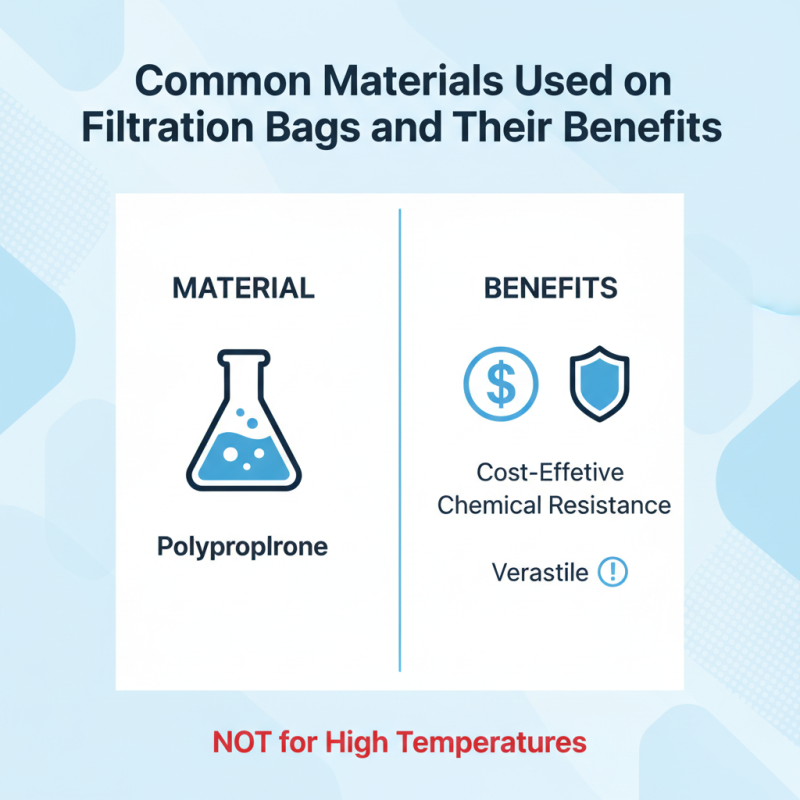
When selecting a filtration bag, the material is crucial. Different materials offer various benefits. For instance, polypropylene is popular for its cost-effectiveness. It provides excellent chemical resistance. This makes it suitable for many applications. However, it may not be the best choice for high-temperature scenarios.
Another common material is nylon. Nylon filtration bags are known for their strength and durability. They can withstand harsh environments and higher pressures. This makes them ideal for industrial use. However, nylon can be more expensive than other options. Users must consider their budget and needs carefully.
Polyester is also widely used. It balances cost and performance well. Polyester bags can filter fine particles effectively. However, they may not handle chemicals as well as polypropylene. Users might find themselves needing a backup option. It's essential to evaluate all materials before making a choice. Each has strengths and weaknesses that could impact performance.
Maintenance and Replacement Tips for Filtration Bags
When selecting filtration bags, maintenance is key. Regular inspection helps prevent build-up. A study from the Filtration Society found that poorly maintained bags can reduce efficiency by 40%. This can lead to increased operational costs.
Tips for keeping filtration bags in top shape: Inspect bags monthly. Look for tears or clogs. Clean them gently with water. Proper cleaning extends their lifespan. Replace bags every 6 months for optimal performance. Remember, even small dirt particles can impact filtration.
Don’t overlook signs of wear. Stains or discoloration may indicate deeper issues. This could mean bacteria growth or material breakdown. Investing time in maintenance pays off. It saves money in the long run and ensures efficiency. Your filtration system deserves attention. Treat it well, and it will serve you better.


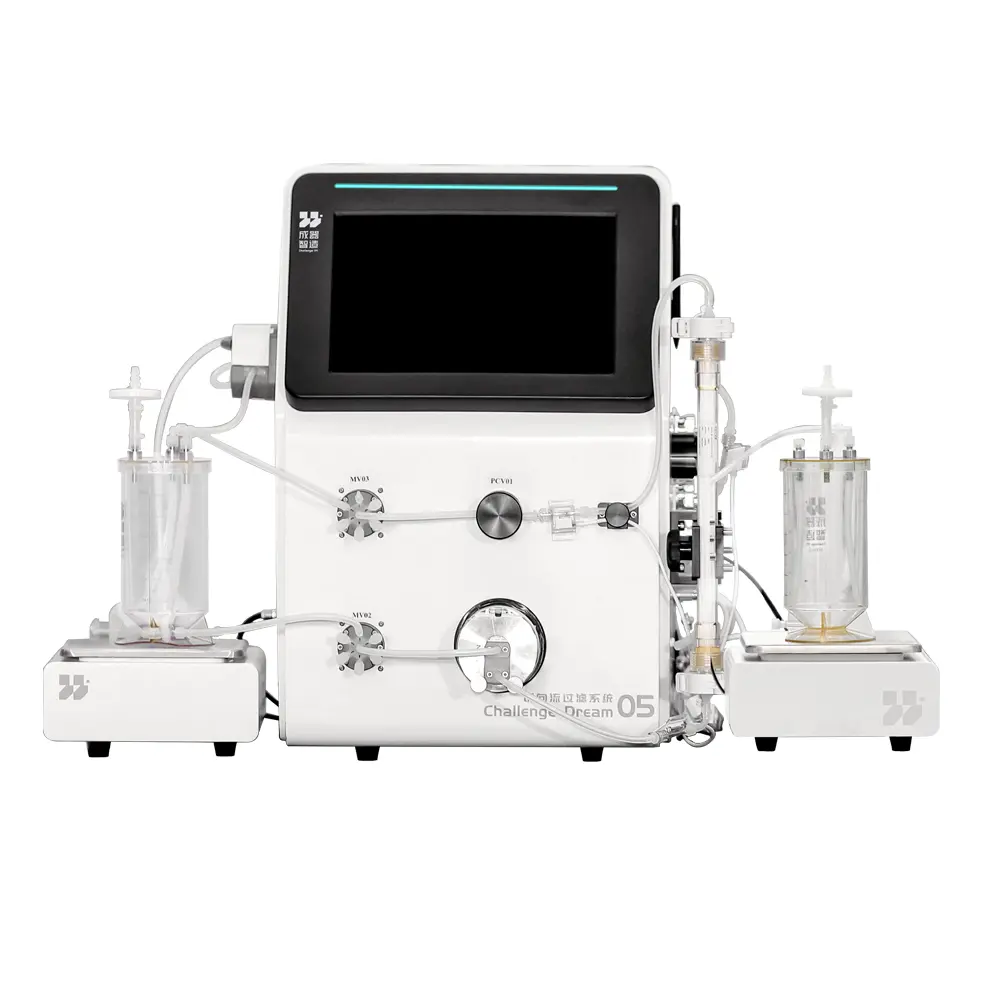 Tangential Flow Filtration(TFF) System
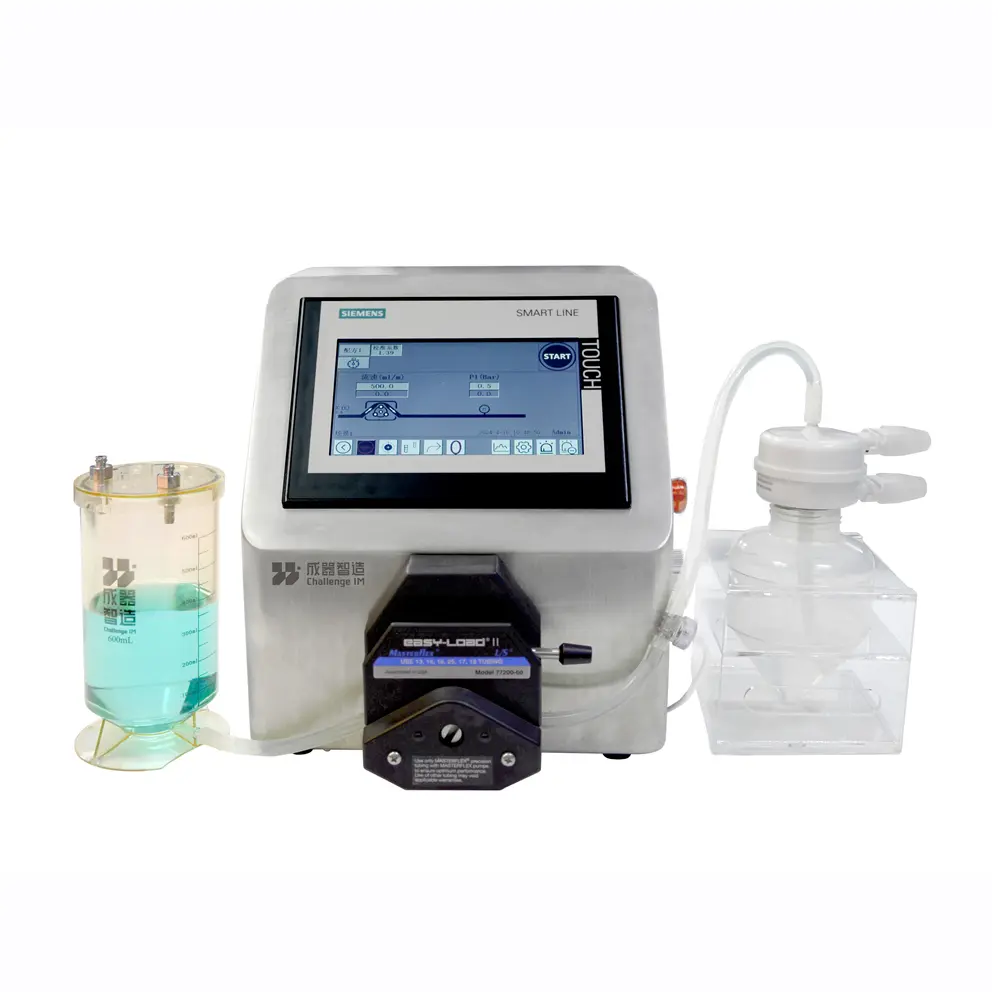 Jump Pump
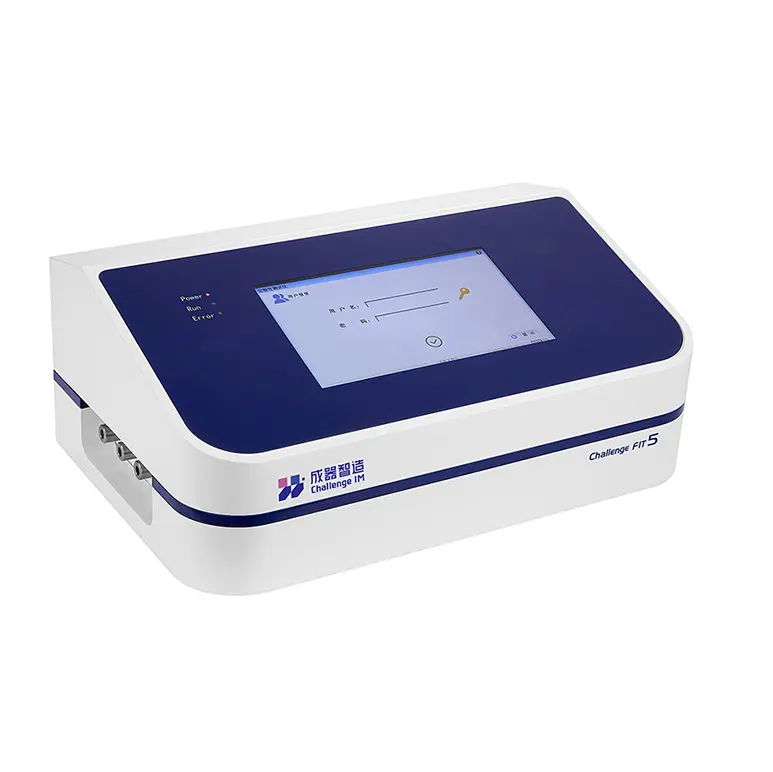 FIT Integrity Tester
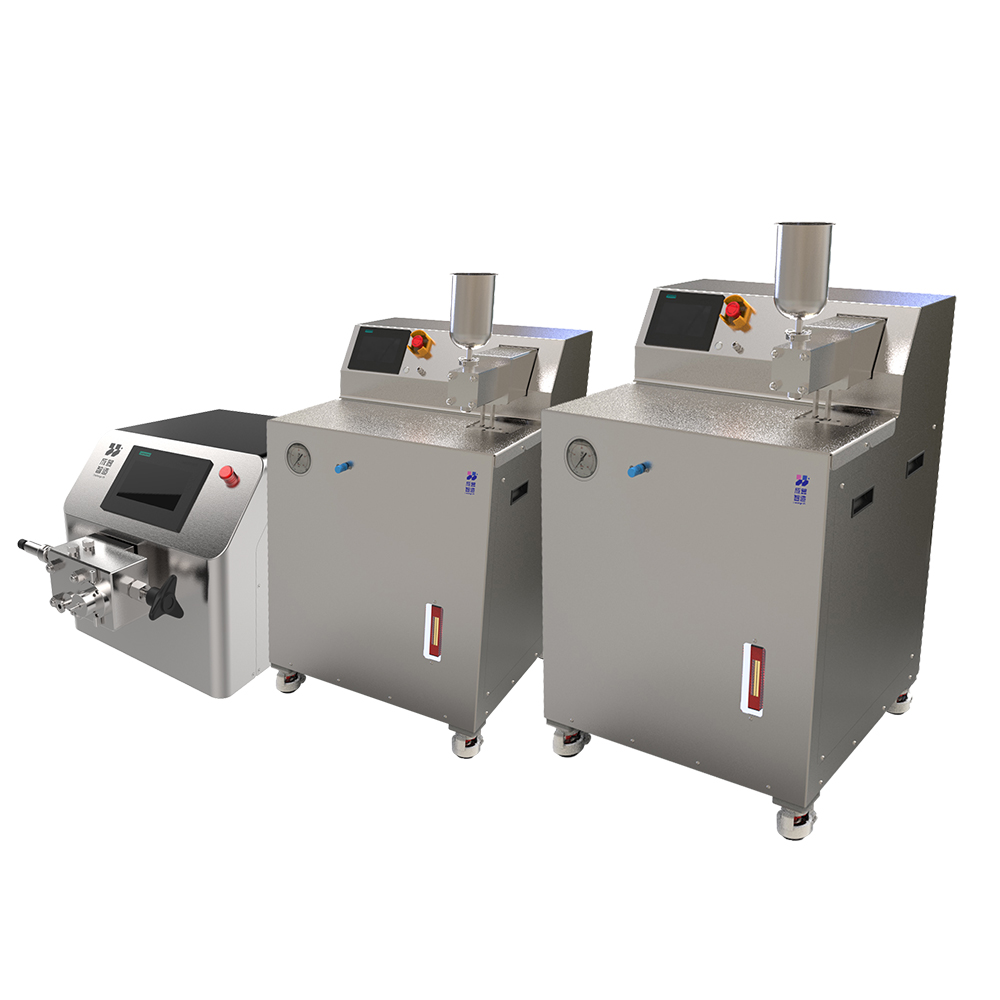 High Pressure Homogenizers
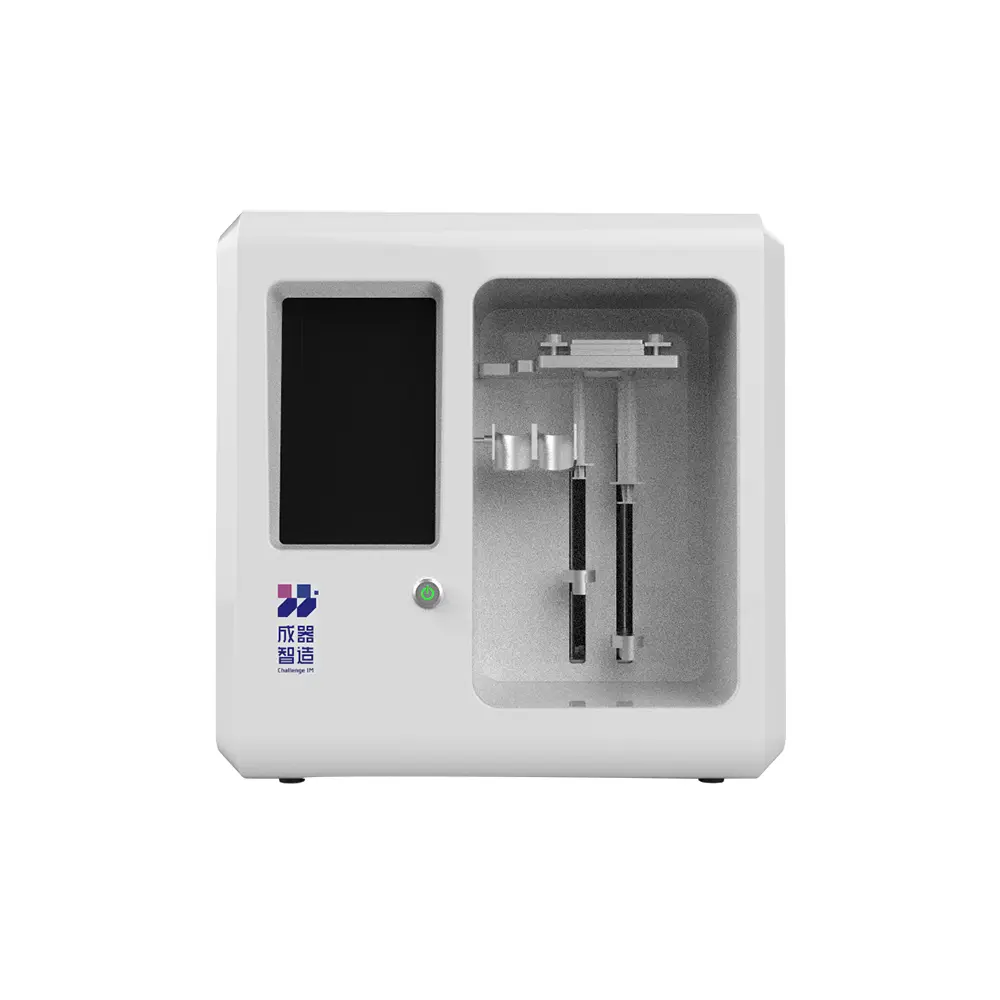 Microfluidics