Choosing among China’s top Filtration Cartridge manufacturers requires more than comparing prices. Product quality depends on materials, pore ratings, production controls, and application knowledge. A cartridge for drinking water cannot be judged like one for chemical processing. The details matter.
In practical procurement, reliable buyers verify polypropylene, stainless steel, membrane, and activated carbon specifications. They also request laboratory reports, batch records, and test samples before placing large orders. Look for manufacturers with clear quality systems, stable export experience, and traceable production data. Relevant certifications can support confidence, but certificates alone are not enough. Ask how each test was performed. Check whether the factory can explain flow rate, pressure drop, temperature limits, and contamination risks in plain language.
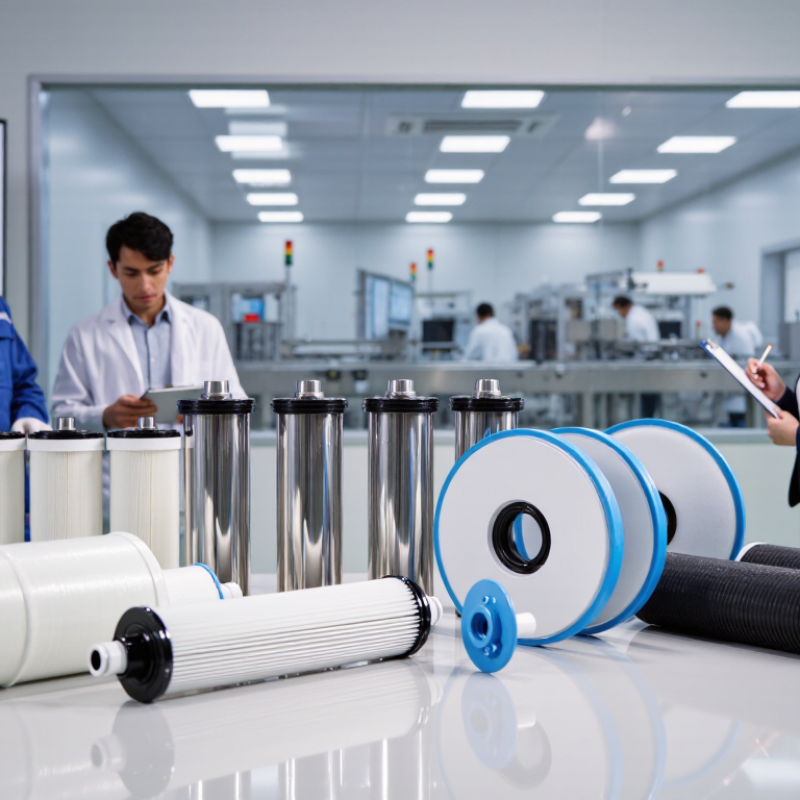
Visit the factory when possible. Observe clean assembly areas, inspection equipment, and packaging conditions. A polished catalog may still hide inconsistent batches. That possibility deserves attention. Compare response times, engineering support, replacement policies, and communication during technical discussions. Strong suppliers usually ask about your fluid, operating pressure, installation method, and service interval. They do not simply recommend the most expensive model.
No supplier is perfect. Small documentation gaps may reveal larger process weaknesses, while minor design limitations may be acceptable for a controlled application. Your evaluation should balance performance, compliance, lifecycle cost, and dependable after-sales support. This guide explains practical questions and verification steps for selecting a trustworthy China Filtration Cartridge manufacturer with greater confidence.
Choosing a filtration cartridge manufacturer starts with understanding micron ratings, not catalog language. A 100 μm cartridge captures coarse sand and visible rust. A 10 μm grade handles finer sediment. Ratings near 1 μm suit many polishing stages, while 0.1 to 0.01 μm cartridges require tighter process control. The U.S. EPA Membrane Filtration Guidance Manual places ultrafiltration commonly around 0.01–0.1 μm. However, “nominal” and “absolute” ratings are not interchangeable.
This distinction matters in real plants. A nominal 5 μm cartridge may allow some particles above 5 μm to pass, while an absolute rating indicates a defined retention level under test conditions. The World Health Organization’s Guidelines for Drinking-water Quality stresses that treatment performance depends on the complete system, including flow, contact time, and maintenance. Therefore, a manufacturer should provide test methods, pressure-drop curves, material compatibility data, and batch traceability. Ask for evidence, not polished claims.
A useful selection starts with the incoming water analysis. Record turbidity, particle loading, temperature, and operating pressure. Then compare cartridges at the same flow rate. I have seen operators choose 0.01 μm media too early, causing rapid clogging and unnecessary energy use. Smaller is not always better.
A staged design, such as 100 μm prefiltration followed by 10 μm and finer treatment, can protect the final cartridge. The 2024 MarketsandMarkets Water Treatment Chemicals report also links stable treatment results with monitoring and process control, not filtration media alone. One detail is easy to miss: verify whether the reported micron size is nominal, absolute, or a manufacturer-defined test value.
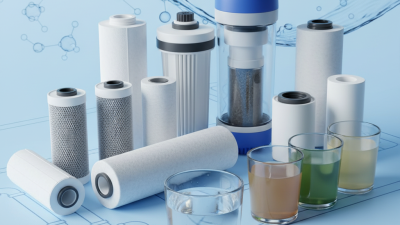
A practical evaluation should begin with performance data, not catalog claims. In water, chemical, and process applications, cartridge behavior changes with viscosity, temperature, and solids. Ask each manufacturer for the test conditions behind its flow-rate figures. A quoted 10 L/min means little without contaminant type and allowable pressure drop. Keep the comparison fair. Use the same housing, fluid, temperature, and cartridge rating. Short test data can mislead. A pilot run is wiser.
Flow rate shows throughput, while pressure drop shows resistance. Measure clean pressure drop at the intended flow, then repeat as the cartridge loads. A steep rise may increase pump demand and trigger early replacement.
Review absolute or nominal ratings carefully, because these terms are not interchangeable. Request performance curves instead of one attractive number. Check seal design, media compatibility, and temperature limits. These details reveal engineering discipline and expose weak documentation.
Dirt-holding capacity Dirt-holding capacity estimates how much contaminant the cartridge retains before reaching a defined terminal pressure. Compare it under identical test dust and endpoint conditions. Higher capacity is not automatically better if removal efficiency falls. Reliable manufacturers should provide batch records, material certificates, integrity-test results, and quality-control procedures. Ask about sampling frequency and corrective actions. A factory visit or third-party audit adds useful evidence. Still, no document replaces field validation. That lesson is easy to overlook. Choose data that matches actual operating conditions.
When evaluating Chinese filtration cartridge manufacturers, verify documents before comparing prices. A valid ISO 9001 certificate should match the factory’s legal name, address, and production scope. Check the certification body and expiry date through its official database. The scope should cover filtration products, not only general trading activities. Request recent audit findings and corrective action records. A certificate alone can mislead.
Tips: Ask for batch records, material specifications, and lot traceability. Visit the production area, if possible. Inspect clean assembly zones, sealed packaging, and calibration labels on testing equipment. For drinking water applications, confirm NSF/ANSI certification for the exact cartridge model. Do not accept a certificate for another product family. Verify the standard, test scope, and certificate holder independently.
FDA compliance requires careful wording. The FDA does not generally “approve” ordinary filter cartridges as a complete product. Instead, manufacturers should provide evidence that wetted materials meet relevant food-contact requirements. Request resin declarations, migration test reports, and supplier traceability. These documents should identify the material grade and testing conditions. Review whether testing reflects your temperature, pressure, and fluid. This step is often overlooked. It deserves reflection. A professional manufacturer will explain limitations clearly, rather than promise universal compliance. Compare documents with samples and production records. Small gaps can reveal larger quality risks.
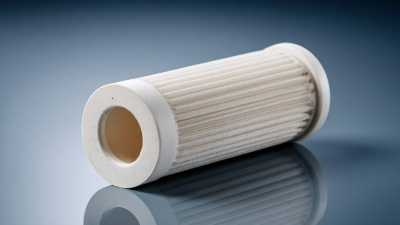
Comparing materials is more useful than comparing prices alone. Polypropylene cartridges suit general sediment removal and many industrial water applications. Polyethersulfone offers finer filtration and good flow stability. PTFE can resist aggressive chemicals, but it usually costs more. Nylon provides strength and broad compatibility, yet some fluids may affect its performance. Always check pore size, temperature limits, pressure ratings, and chemical compatibility in the supplier’s technical documents.
Lifespan depends on more than cartridge material. A cartridge filtering muddy process water may clog within days. The same cartridge could last several weeks in a cleaner system. During supplier trials, record inlet pressure, outlet pressure, flow rate, and operating hours. A rising pressure difference often signals replacement time. Do not rely only on calendar intervals. They can mislead.
A reliable supplier should provide batch traceability, test data, and clear replacement guidance. Ask whether the quoted lifespan comes from laboratory testing or actual field use. Small details matter, such as housing fit, seal quality, and storage conditions.
In one comparison, a cheaper cartridge appeared economical until frequent changes increased labor costs. Still, one trial is not enough. Contaminant levels change, and operators sometimes record readings imperfectly. Use several operating cycles before fixing a replacement schedule.
Choosing a cartridge by unit price is often misleading. My first quote comparison was too narrow. That mistake matters. A cheaper cartridge may have lower capacity, higher pressure drop, or shorter service life. Grand View Research estimated the global industrial filtration market at over USD 30 billion in 2023. This scale shows why small efficiency losses can become costly across many production lines.
Calculate total cost per treated volume, not per cartridge. Include purchase price, freight, installation labor, energy, replacement frequency, and disposal. Request tested flow rates at your actual fluid viscosity and operating pressure. A nominal capacity figure is not enough.
For example, compare cartridges by liters processed before reaching the approved pressure limit. Ask for sample test data, not only a catalog claim.
Lead time also affects production risk. Confirm standard and custom delivery schedules in writing. Keep a practical safety stock for imported components. Quality control deserves equal weight. Check lot traceability, raw-material certificates, dimensional inspection, and integrity-test records. Relevant requirements may include ISO 9001 systems and application-specific standards such as NSF/ANSI 42 or 53.
MarketsandMarkets has projected steady growth in filtration and contamination-control demand, increasing pressure on supply consistency. Still, reports are broad estimates. Your own pilot test is more reliable. Measure flow, pressure drop, service hours, and particle retention under real conditions. One overlooked variable can change the entire cost calculation.