How to Choose the Right Bag Filters for Your Needs?
Choosing the right bag filters can be a challenging task. Bag filters play a crucial role in various industries, from water treatment to HVAC systems. They are essential for maintaining cleanliness and efficiency.
When selecting bag filters, consider your specific needs. Factors such as particle size, flow rate, and material type matter. Without proper research, you might end up with filters that don't suit your application. The wrong choice can lead to inefficiencies or costly downtime.
It's important to evaluate the performance of your chosen bag filters regularly. Their efficiency can decrease over time, making it essential to monitor their conditions. Sometimes, the right filter isn't the most expensive one. Reflect on your choices, and don’t hesitate to seek expert advice if needed. This critical decision affects your operations, so take it seriously.
Understanding the Purpose and Applications of Bag Filters
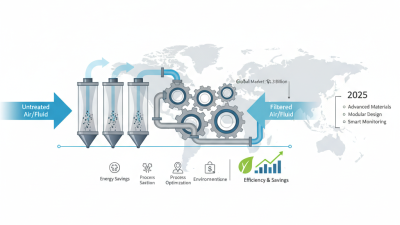
Bag filters play a crucial role in various applications across industries. They are essential for maintaining air and liquid quality. According to a report by Research and Markets, the global bag filter market is projected to reach $4.6 billion by 2025. This growth indicates a rising demand from sectors such as food processing, pharmaceuticals, and wastewater treatment.
Understanding the specific purpose of bag filters is vital. They effectively capture particles as small as 1 micron. This capability makes them ideal for applications that require high filtration efficiency. For example, in manufacturing, filtered air prevents dust from contaminating products. Interestingly, 40% of companies admit they choose filters based on cost rather than efficiency, which can lead to issues. Poor choices often result in higher operational costs due to frequent replacements.
Applications vary widely, from industrial to residential settings. Bag filters can handle different temperatures and fluid types. However, not all filters are created equal. Some may not withstand heavy-duty applications, leading to premature failure. A study highlighted that businesses face 3-5% downtime due to inefficient filter systems. Potential buyers need to weigh their specific needs carefully. Quality shouldn’t be sacrificed for savings. Choosing the wrong filter may ultimately cost more in the long run.
How to Choose the Right Bag Filters for Your Needs?
| Filter Type |
Material |
Application |
Filtration Efficiency |
Max Temperature (°C) |
| Polyester Bag Filter |
Polyester |
Water Treatment |
85% |
70 |
| Nylon Bag Filter |
Nylon |
Food & Beverage |
90% |
90 |
| PP Bag Filter |
Polypropylene |
Chemical Processing |
95% |
80 |
| PTFE Bag Filter |
PTFE |
High Temperature Filtration |
99% |
260 |
| Glass Fiber Bag Filter |
Glass Fiber |
Industrial Applications |
99.5% |
200 |
Evaluating Different Types of Bag Filters Available in the Market
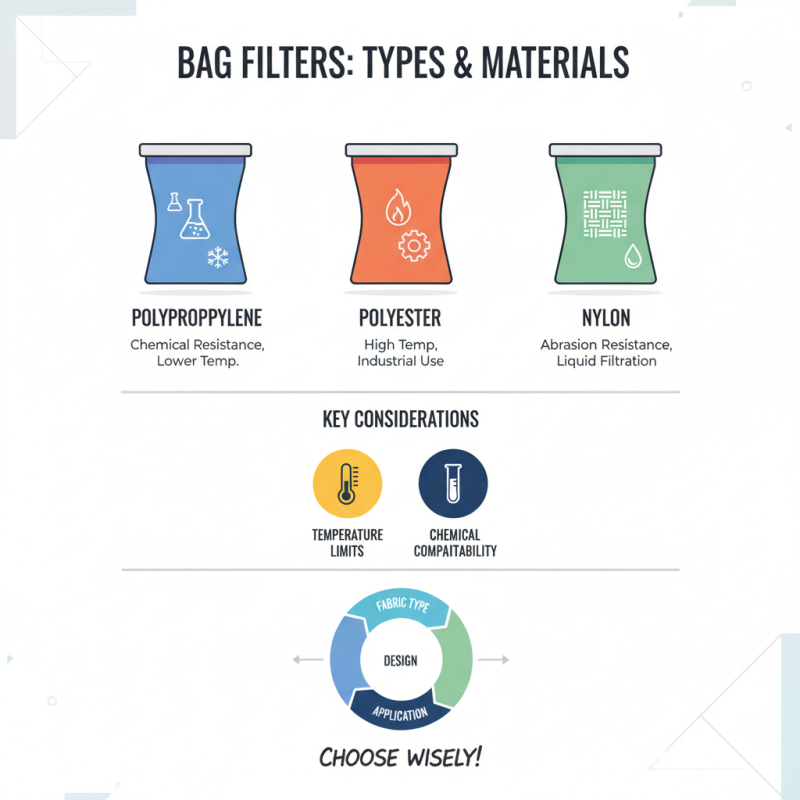
When selecting bag filters, it’s vital to understand the types available in the market. Bag filters vary mainly in fabric, design, and application. Common materials include polypropylene, polyester, and nylon. Each fabric type has unique filtration capabilities and temperature limits. For example, polyester can handle high temperatures, making it suitable for industrial applications. But it may not be effective against certain chemicals.
The design of bag filters also plays a significant role. Some bags have a single layer, while others consist of multiple layers for improved filtration. Multi-layered filters generally perform better, capturing smaller particles. According to recent industry reports, about 75% of filtration failures are due to improper filter selection. Ensure you examine your specific needs before making a choice.
**Tip:** Always verify the micron rating of the filter. This rating indicates the smallest particle size the filter can capture.
Consider your specific environment too. Factors like humidity and chemical exposure can affect filter performance. Installation and maintenance accessibility should also inform your selection. Be mindful that not every filter can meet every need. Sometimes, a standard option may not suffice.
Key Factors to Consider When Selecting Bag Filters for Your Needs
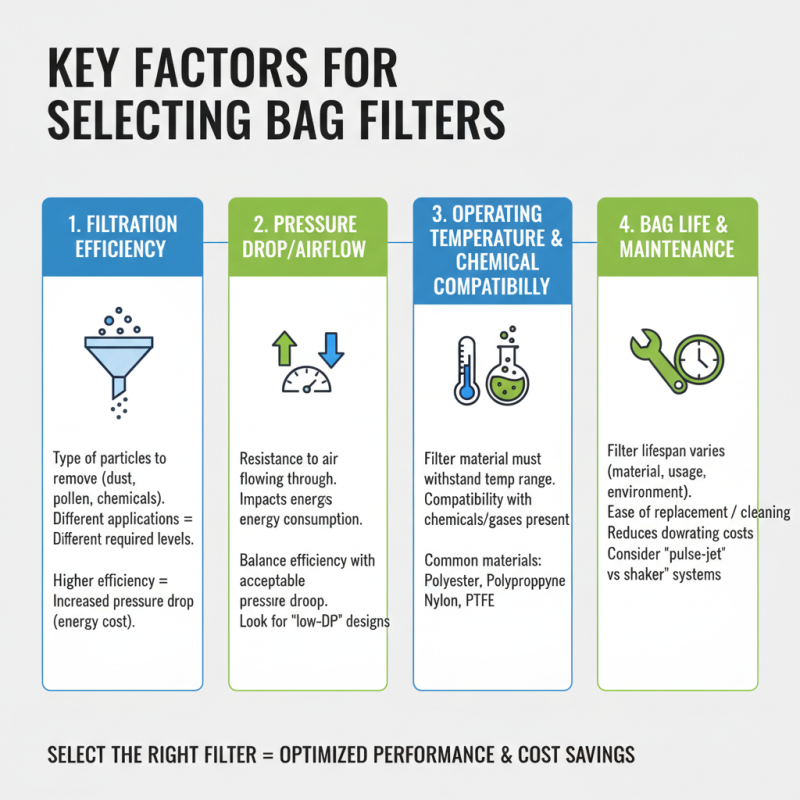
When selecting bag filters, several key factors should guide your decision. First, consider the filtration efficiency. This depends on the type of particles you want to remove. Different applications demand different levels of filtration. A higher efficiency filter may seem ideal, but can lead to increased pressure drop.
Next, examine the filter material. Some materials work better for certain environments. For instance, synthetic fibers may be more durable in harsh conditions. However, they may not always provide the best air quality. Balance durability and air purity.
Another essential aspect is the filter size. Proper sizing ensures optimal performance in your system. A filter that's too large or too small can cause problems. Improper fit can lead to leaks or bypassed contaminants. Always measure carefully.
Additionally, think about the replacement frequency. Some filters require frequent changes, while others may last longer. Consider your maintenance capacity and budget as you make your choice. Finding the right balance is crucial for efficiency and effectiveness.
Assessing Maintenance and Replacement Requirements for Bag Filters
When selecting bag filters, understanding maintenance and replacement is crucial. Regular upkeep can extend filter life and improve efficiency. Industry reports suggest that proper maintenance can increase a filter's lifespan by up to 30%. Scheduled inspections help identify wear and tear before they lead to failures.
It's essential to monitor the pressure drop across bag filters. A rising pressure drop often indicates a need for cleaning or replacement. Many facilities experience a pressure drop increase of 5-10 inches of water column before replacing filters. Neglecting this aspect can result in reduced performance and energy efficiency.
The cost of replacement must also be considered. Bag filters can vary significantly in price. The average lifespan of a filter is about one year, depending on application. However, replacing filters too early wastes resources, while waiting too long can lead to operational issues. Therefore, a balanced approach to maintenance and replacement is essential for optimal performance.
Comparing Cost-Effectiveness of Various Bag Filter Options
When it comes to selecting bag filters, cost-effectiveness is a crucial factor. Industries often face the challenge of balancing quality and expense. Reports show that the initial investment can vary significantly. For instance, basic bag filters may cost around $5-$20 each, while high-efficiency models can exceed $50. It's essential to weigh these costs against efficiency gains.
Efficiency matters. Data from environmental studies indicate that high-efficiency filters can capture up to 95% of particulate matter. This leads to less frequent replacements and lower operating costs over time. However, some users may not notice a stark difference in performance initially, prompting a reconsideration of long-term benefits versus upfront costs.
Consider the maintenance aspect too. A cheaper filter might save money upfront, but it can require more frequent changes. This could result in higher operational downtime and labor costs. Some facilities report spending up to 30% more annually on maintenance for lower-cost filters. Reflecting on the total costs of ownership can lead to better purchasing decisions.


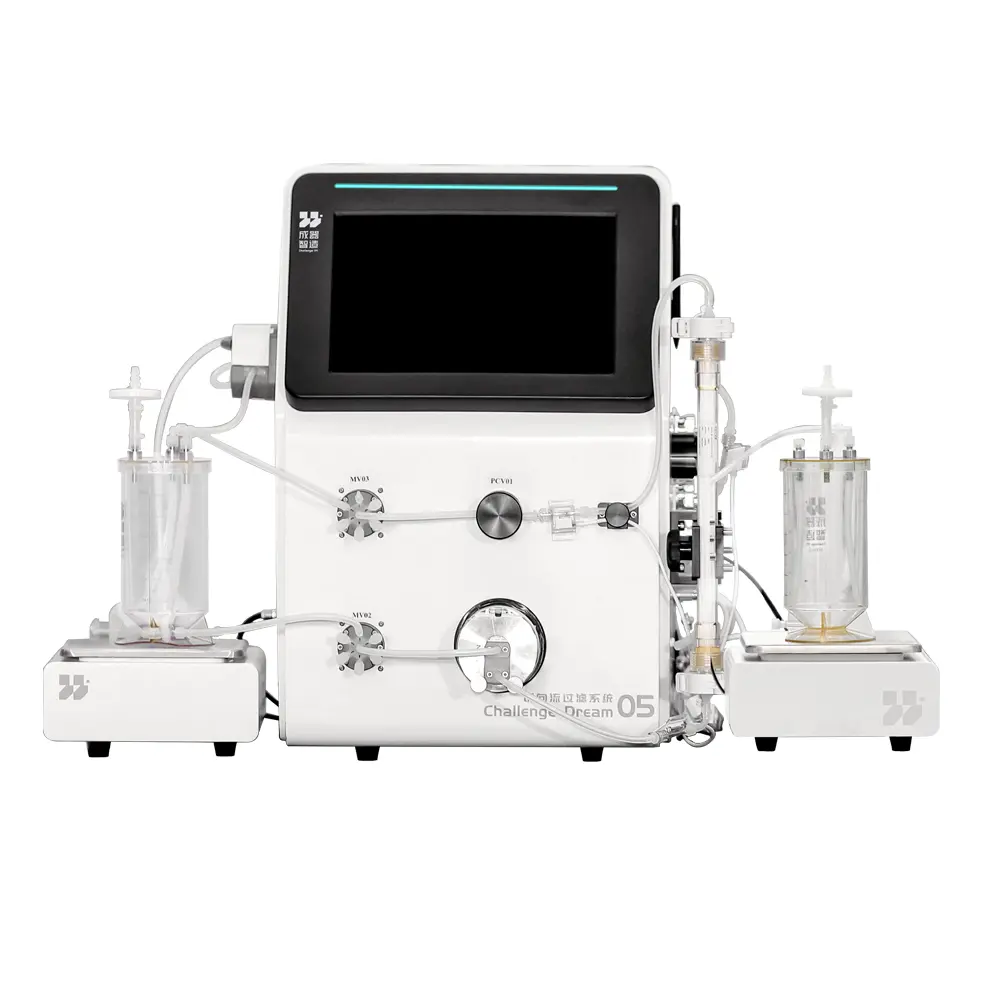 Tangential Flow Filtration(TFF) System
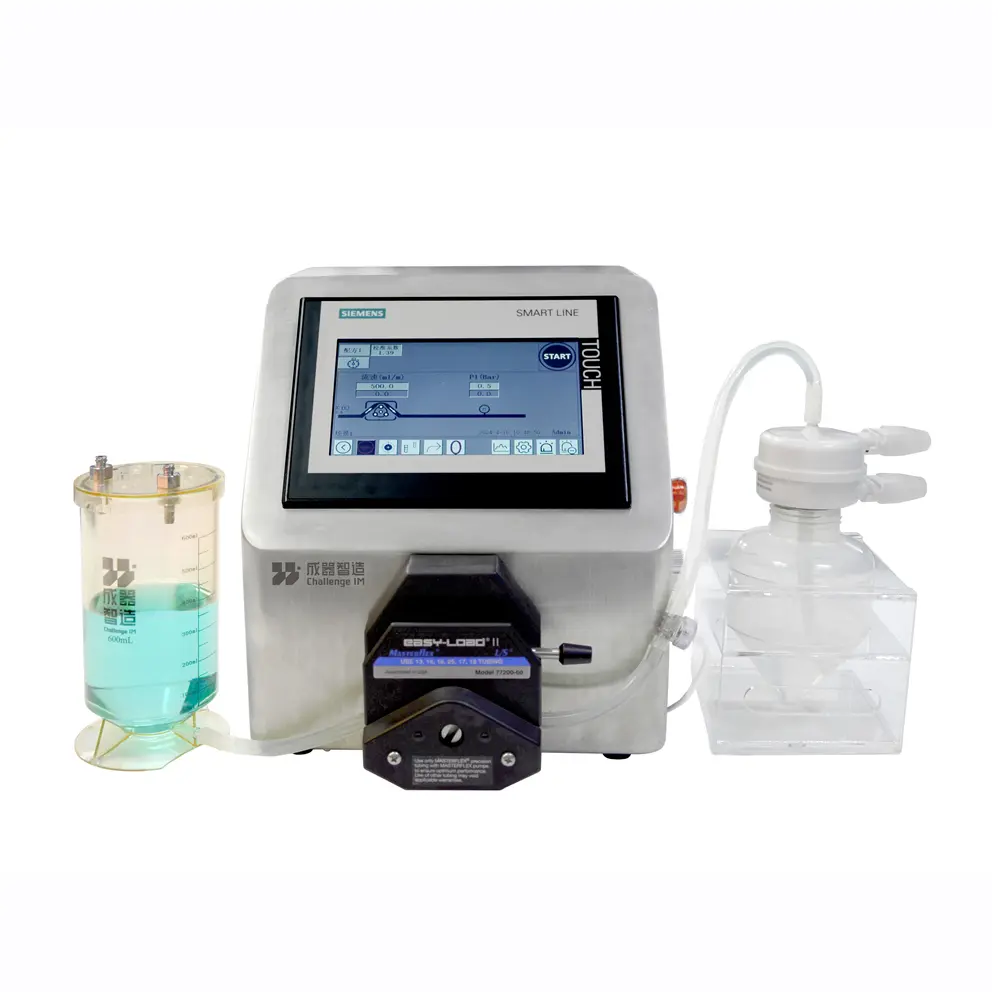 Jump Pump
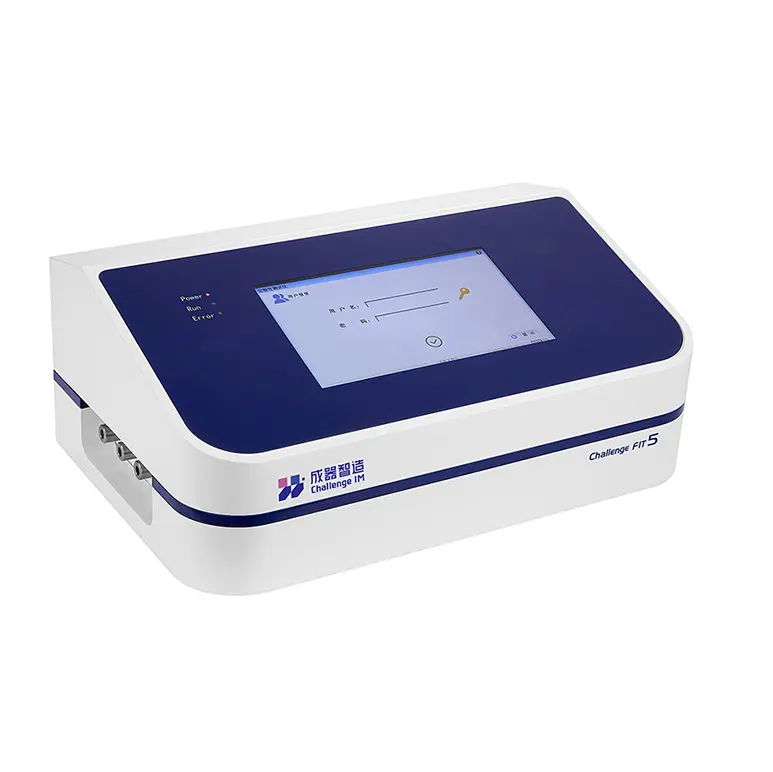 FIT Integrity Tester
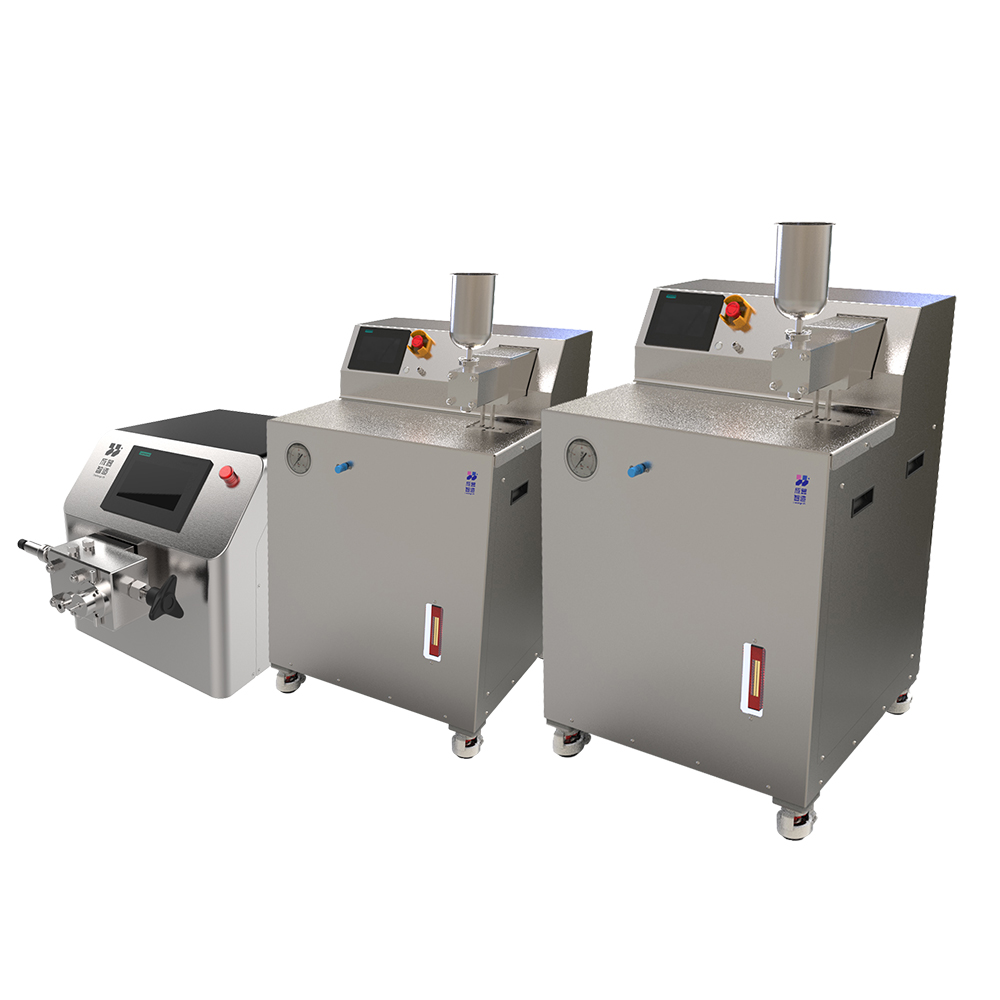 High Pressure Homogenizers
 Microfluidics