How to Choose the Right Laboratory Ultrafiltration System?
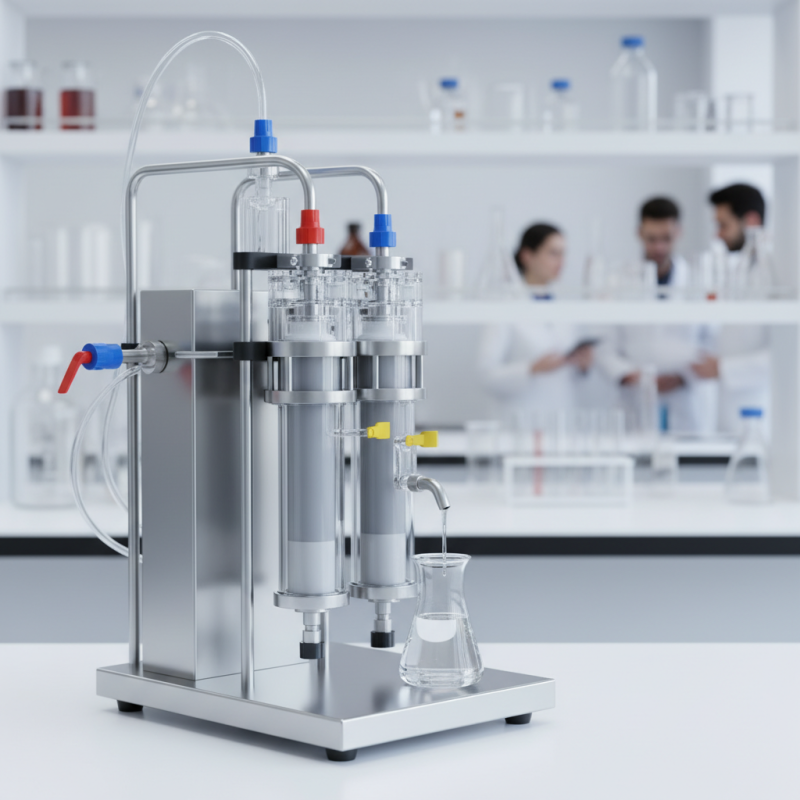
Choosing the right laboratory ultrafiltration system is essential for effective research and analysis. Laboratory ultrafiltration helps separate molecules based on size. It is commonly used in many fields, including biochemistry and environmental science. The right system can enhance productivity and ensure accurate results.
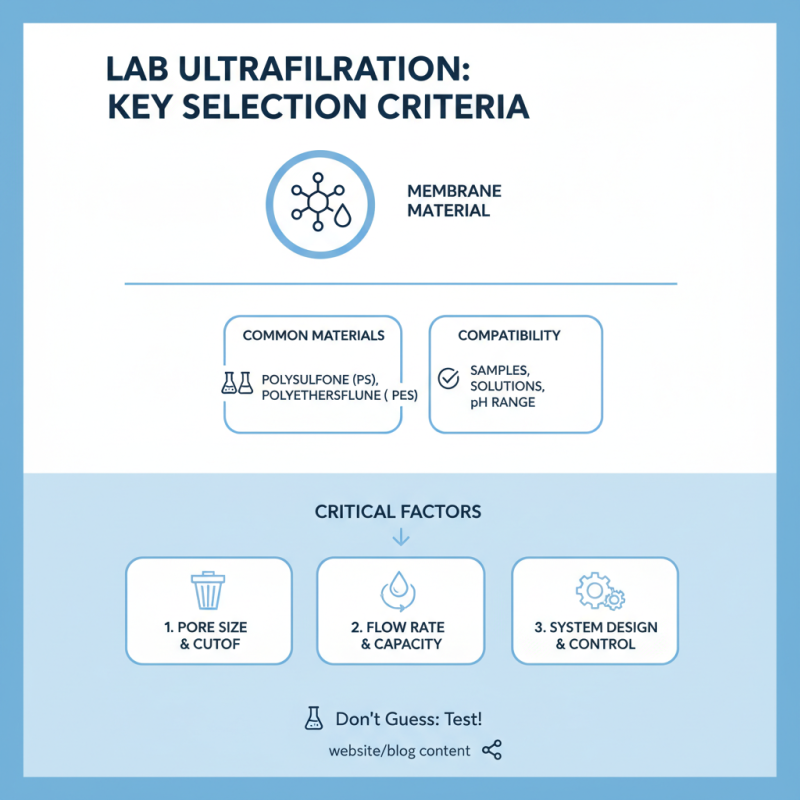
When selecting a laboratory ultrafiltration system, consider important factors. These include the material compatibility, flow rates, and filtration membranes. Each application may require different specifications. Therefore, understanding your specific needs is crucial.
Many researchers face challenges when choosing this equipment. There are numerous options on the market, leading to confusion. Make sure to evaluate manufacturers and seek expert reviews. Reliable sources can help guide your decision. The choice of a laboratory ultrafiltration system should be informed, balancing features and cost.
Criteria for Selecting a Laboratory Ultrafiltration System
Selecting the right laboratory ultrafiltration system involves several key criteria. One critical factor is the membrane material. Different materials, such as polysulfone or polyethersulfone, offer unique properties. Consider the compatibility with your samples. Not all membranes work well with every solution. Conduct a compatibility test if you're unsure.
Another significant aspect is the operating pressure. The pressure can affect the filtration rate and efficiency. Higher pressures may yield faster results, but they can also increase fouling. It's a balance that requires careful consideration. Monitoring your system regularly is crucial to identify any changes in performance.
Consider the system's scalability. Your current needs may change over time. A system that can be easily adapted or expanded is beneficial. Additionally, look for systems that offer user-friendly interfaces. Complex systems can lead to errors and wasted time. Reflect on how the system fits into your existing laboratory workflow. Does it simplify processes or add complications? This insight is vital for a successful selection.
Types of Ultrafiltration Systems and Their Applications
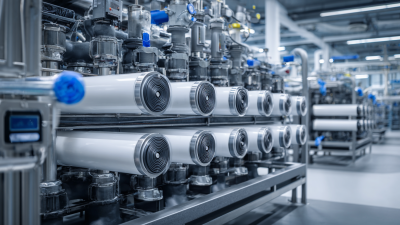
Choosing the right laboratory ultrafiltration system involves understanding the various types available and their specific applications. Ultrafiltration systems can generally be categorized based on their membrane types and configurations. Common membrane types include polymeric and ceramic membranes, each suited for distinct requirements. For example, ceramic membranes withstand higher temperatures and pressures, making them ideal for harsh environments.
Applications for ultrafiltration systems are diverse. They are often utilized in water treatment, pharmaceuticals, and food processing. In water treatment, ultrafiltration effectively removes bacteria and suspended solids, enhancing water quality. In pharmaceuticals, it is crucial for separating proteins or concentrating solutions. However, selecting the right system can pose challenges. Users must consider factors like feed water characteristics and desired output quality. Some labs opt for systems that are not only effective but also cost-efficient. The trade-offs between performance and budget can create dilemmas.
It's important to note that while ultrafiltration is powerful, it may not address every contamination issue. Some substances require additional treatment methods. Routine maintenance is also vital for sustaining system performance. Failure to do so can lead to fouling and reduced efficiency. Thoroughly understanding these aspects aids in making a more informed decision for your laboratory’s needs.
How to Choose the Right Laboratory Ultrafiltration System? - Types of Ultrafiltration Systems and Their Applications
| Type of Ultrafiltration System |
Membrane Material |
Typical Applications |
Advantages |
Limitations |
| Cassettes Ultrafiltration System |
Polyethersulfone (PES) |
Biopharmaceuticals, Food processing |
Compact design, easy maintenance |
Cost can be higher |
| Spiral Wound Ultrafiltration System |
Cellulose Acetate |
Water treatment, Wastewater filtration |
High permeability, space-saving |
Prone to fouling |
| Flat Sheet Ultrafiltration System |
Polyvinylidene Fluoride (PVDF) |
Laboratory research, Pharmaceuticals |
Versatile, easy to scale up |
Requires more space |
| Tubular Ultrafiltration System |
Ceramic |
Food and beverage industry, Dairy processing |
Durable, high resistance to fouling |
Higher initial investment |
Key Specifications to Consider in Ultrafiltration Systems
When selecting an ultrafiltration system, key specifications play a crucial role.
Membrane material is essential for determining the system's durability and performance.
Polymeric membranes are widely used, yet ceramic options offer superior longevity.
The choice impacts filtration efficiency and operational costs.
Another important aspect is pore size.
Typically ranging from 1 to 100 nanometers,
this measurement affects what particles can be filtered.
Smaller pores can remove more contaminants but may clog more quickly.
Regular maintenance is necessary to ensure consistent functionality.
Pay attention to flow rate as well.
This specification indicates how much liquid the system can process in a given time.
A system with insufficient flow rate may prolong treatment times.
However, ultra-high flow rates can compromise filtration quality.
Balancing these factors requires careful consideration of your specific application needs.
Common Challenges in Ultrafiltration and How to Address Them
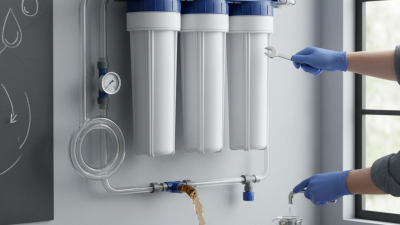
Ultrafiltration presents unique challenges that demand careful consideration. One common issue is membrane fouling. This occurs when particles accumulate on the membrane surface, limiting its efficiency. To tackle fouling, understanding your feed water's composition is vital. Regular cleaning protocols can help maintain membrane performance.
Another challenge involves maintaining consistent flow rates. Variations can lead to inadequate separation. Implementing a robust monitoring system can help. Keeping track of pressure drops and flow changes is key. Adjusting operational parameters based on this data will enhance reliability.
Tips: Regularly inspect your filtration system for any signs of wear. Invest time in employee training to ensure proper operation. Always document changes and observations. This will aid in troubleshooting future issues. Short-term sacrifices in efficiency might yield long-term benefits. Remember, a proactive approach is better than a reactive one.
Maintenance and Support for Ultrafiltration Systems in Laboratories
When selecting a laboratory ultrafiltration system, maintenance and support are crucial.
Regular upkeep ensures optimal performance and longevity. Systems that are neglected may face membrane fouling, leading to reduced efficiency.
Technicians should schedule routine checks to clean components and verify system integrity.
A proactive approach helps prevent costly breakdowns and minimizes downtime.
Support from experienced professionals can be invaluable. Having access to a knowledgeable team assists in addressing technical issues quickly.
Online resources or user manuals can also provide guidance, but hands-on expertise is often necessary.
It’s important to evaluate the availability of service contracts when making a purchase.
Some systems may excel in performance but lack adequate support.
Training staff on proper usage is essential. Even minor mishandling can result in system inefficiency. Conducting training sessions or workshops can enhance understanding
of the system’s requirements. Maintaining open lines of communication regarding performance issues fosters a supportive environment.
Regular feedback from users aids in identifying areas for improvement, ensuring the ultrafiltration system meets laboratory needs effectively.


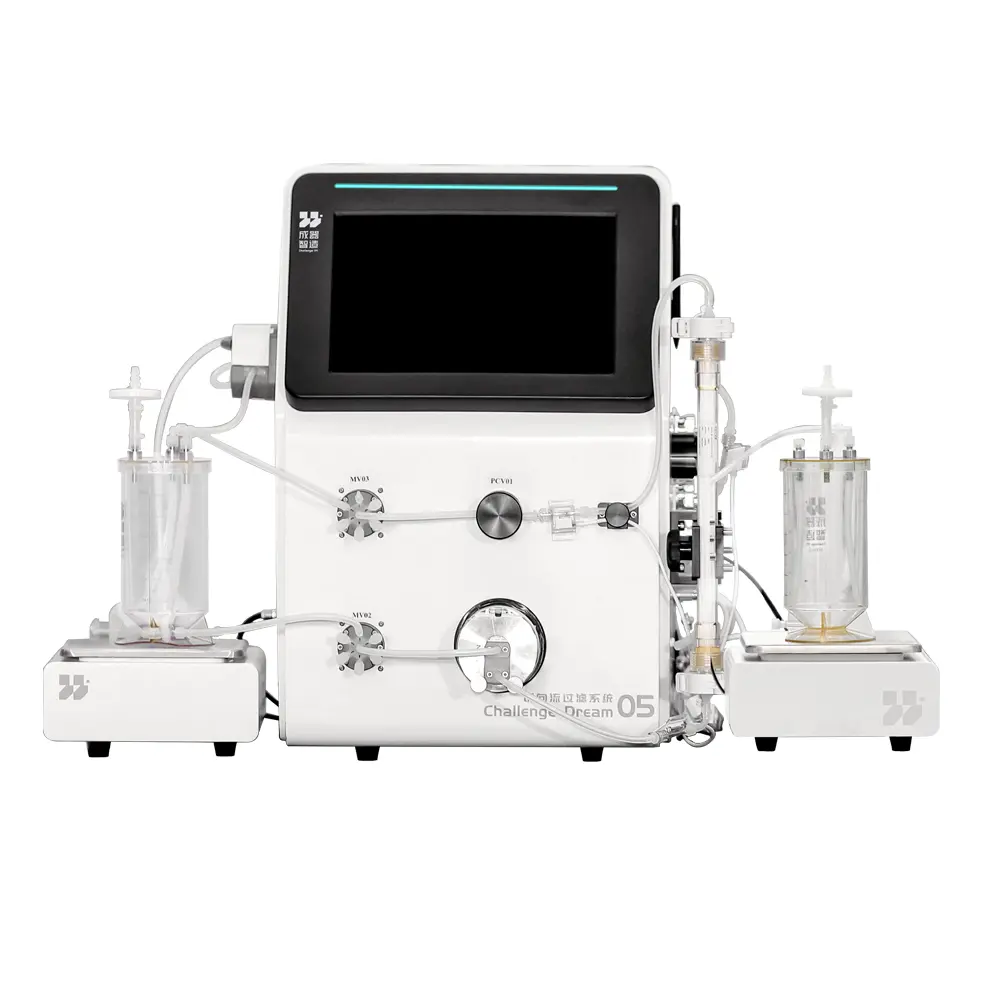 Tangential Flow Filtration(TFF) System
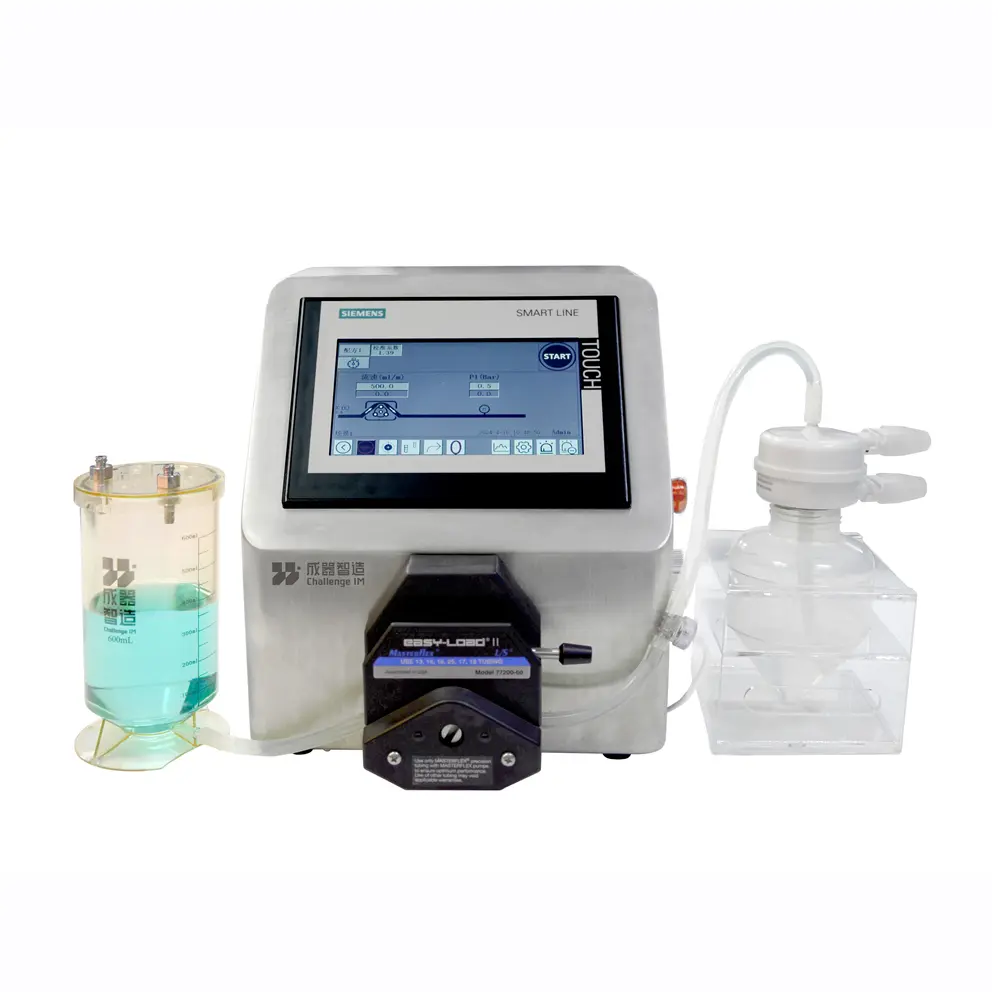 Jump Pump
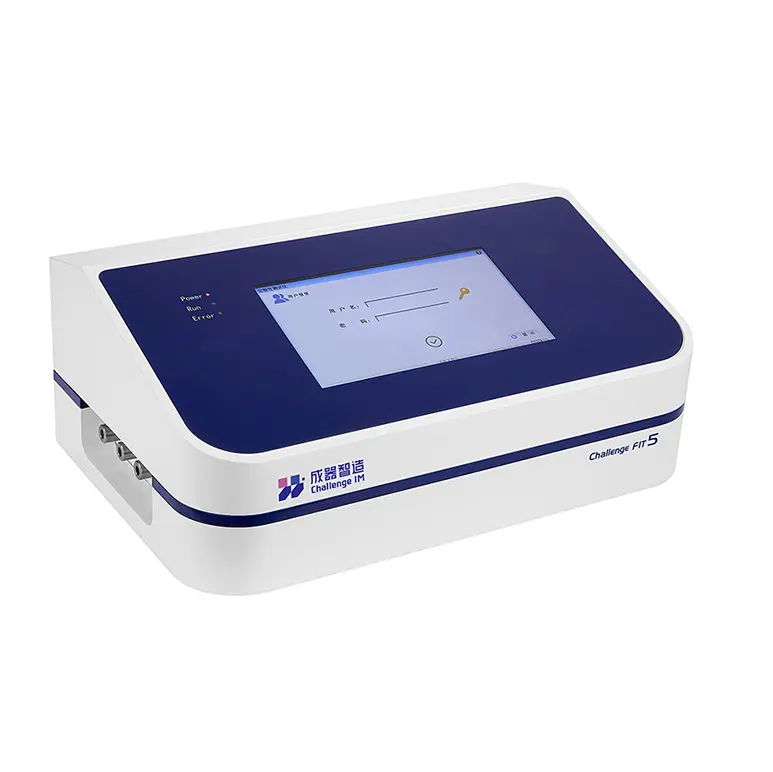 FIT Integrity Tester
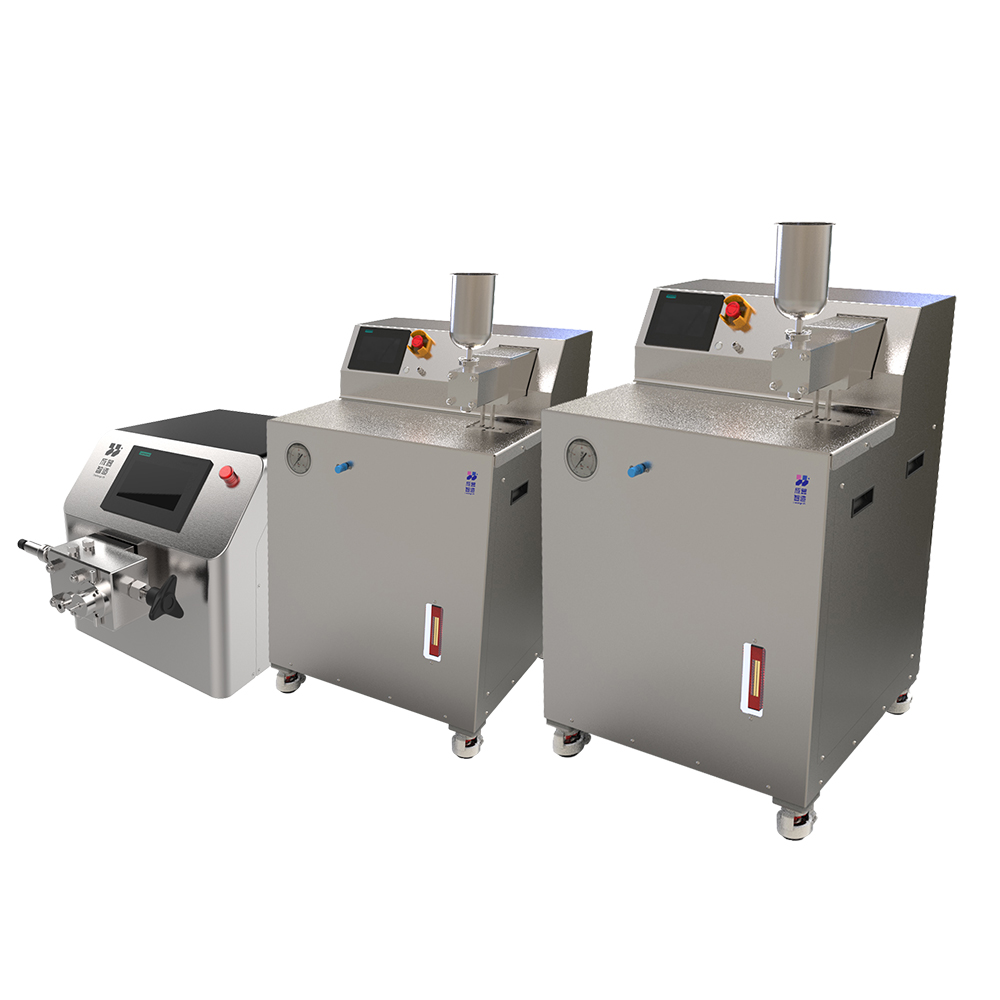 High Pressure Homogenizers
 Microfluidics