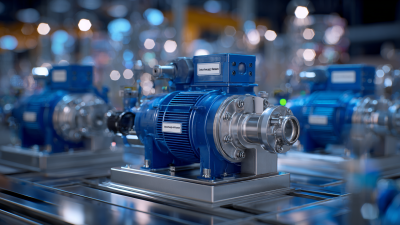
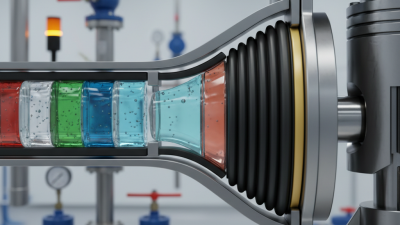
How to Choose the Best Pump Diaphragm for Your Needs?
Choosing the right Pump Diaphragm is crucial for optimal performance. A poorly selected diaphragm can lead to inefficiencies and costly repairs. It’s essential to consider the specific requirements of your application, including pressure, chemical compatibility, and flow rates.
Many factors influence diaphragm selection. Each material has unique characteristics suited for different environments. For instance, elastomers may excel in certain chemicals, while thermoplastics offer other advantages. Even small variations in size can affect functionality.
Assessing the environment and operating conditions is vital. Take time to evaluate your system's needs. A thoughtful approach ensures reliability and efficiency in your operations. Making informed choices today can prevent issues down the line. Trusting proven guidelines and expert insights will aid your decision-making process.
Understanding the Role of Pump Diaphragms in Fluid Transfer
Pump diaphragms play a vital role in fluid transfer systems. They act as barriers between the fluid and the pump mechanism. This design helps prevent leaks and protects sensitive components. When working in various industries, it's crucial to choose the right diaphragm for your system. Each application may have unique requirements concerning temperature, pressure, and fluid type.
Understanding how different materials affect performance is essential. For instance, elastomers handle certain chemicals better than others. You might find yourself facing challenges in compatibility. If unsure, conducting tests on samples can reveal potential issues. The diaphragm's design must also fit your pump's specifications. A misaligned diaphragm can lead to failure and costly downtime.
Not every diaphragm will suit every application. Evaluating your specific needs will help avoid future problems. It's easy to overlook minor details that could lead to complications. Consider consulting with experts to enhance your understanding of your pump's diaphragm. A well-informed choice ensures efficient fluid transfer and extends the lifespan of your equipment.
Key Factors to Consider When Selecting Pump Diaphragms
When selecting a pump diaphragm, there are several essential factors to consider. The diaphragm material is crucial. Different applications may require different materials like rubber, PTFE, or fabric-reinforced elastomers. Each material has its strengths and weaknesses. For example, PTFE is resistant to chemicals but may lack flexibility.
Another important aspect is the diaphragm size and thickness. The correct size ensures optimal performance and fit within the pump. If the diaphragm is too thin, it may wear out quickly. If it’s too thick, it can impede flow rates.
Tips: Always assess the operating conditions. High pressure or temperature can significantly impact diaphragm life.
Consider the manufacturing techniques used for the diaphragm. Quality control processes can affect durability. Not all diaphragms are made with the same precision.
Tips: Read user reviews or consult industry experts. Their insights can highlight common issues or advantages.
Choosing the right diaphragm involves careful examination of your specific needs. Understanding these key factors ensures you select a diaphragm that performs reliably over time.
Types of Pump Diaphragms and Their Applications
When selecting a pump diaphragm, understanding the various types and their applications is crucial. There are three primary categories: rubber, Teflon, and fabric-reinforced diaphragms. Rubber diaphragms are versatile and can handle a range of fluids. They are commonly used in water pumping systems and general fluid transfer. However, they may deteriorate over time due to harsh chemicals. Teflon diaphragms excel in chemical resistance. They are ideal for corrosive or aggressive fluids. Yet, they might be less flexible compared to rubber options.
Fabric-reinforced diaphragms provide enhanced durability. These are often used in heavy-duty industrial applications. They can withstand extreme pressures and temperatures. However, their initial cost can be higher. It's essential to consider fluid compatibility, operating conditions, and lifespan when making a decision. Choosing the wrong diaphragm could lead to leakage or failure.
Many users overlook the significance of maintenance. Regular inspection can prolong the life of a diaphragm. Signs of wear include cracking and uneven wear patterns. Keeping track of these details helps prevent unexpected downtime. It's wise to consult with experts for best practices in diaphragm replacement and maintenance. This way, users can make informed choices that align with their specific needs.
Comparison of Different Types of Pump Diaphragms
This bar chart compares the durability of different types of pump diaphragms over time. Each type of diaphragm has its unique properties and applications, with PTFE showing the highest durability, making it suitable for demanding environments.
Material Compatibility and Chemical Resistance in Diaphragm Selection
Choosing the right pump diaphragm requires careful consideration of material compatibility and chemical resistance. Many materials react differently to various chemicals. This often leads to unexpected failures or reduced efficiency. Understanding the nature of the fluids being pumped is paramount for optimal diaphragm performance.
For example, rubber diaphragms may be suitable for water-based fluids but not for aggressive solvents. PTFE, on the other hand, offers excellent chemical resistance. It's a good choice for harsh environments. However, it can be more expensive and may not be necessary for less challenging applications. Assessing the fluid composition helps in making informed decisions.
Additionally, it's important to consider temperature ranges. Some materials may degrade or lose functionality when exposed to extreme temperatures. Regular testing and monitoring can uncover potential issues. Ignoring these details can result in costly downtime and repairs. Take time to evaluate your specific needs before choosing a diaphragm.
Maintenance and Longevity Considerations for Pump Diaphragms
When selecting a pump diaphragm, maintenance and longevity play crucial roles. Studies indicate that nearly 30% of pump failures stem from diaphragm wear and tear. Understanding the materials used in diaphragms can aid in selecting the right one for your application. For instance, rubber diaphragms offer flexibility but degrade faster than those made of thermoplastic or fluoropolymer. Regular inspections can help identify issues such as cracks or distortions.
Incorporating best practices for diaphragm maintenance can extend its life. A survey showed that proper lubrication and pressure management could enhance diaphragm durability by up to 50%. Operators should routinely check operating conditions. Factors like temperature and fluid compatibility can impact longevity. Ignoring these elements can lead to premature failure and costly repairs.
User feedback highlights that many neglect the maintenance schedule. This oversight often results in performance issues. Some operators replace diaphragms only when they fail. However, proactive maintenance can result in better efficiency and lower costs over time. Taking a systematic approach to maintenance will provide insights into the diaphragm's condition. Implementing monitoring systems for early detection may be beneficial, ensuring a longer lifespan for your pump diaphragm.


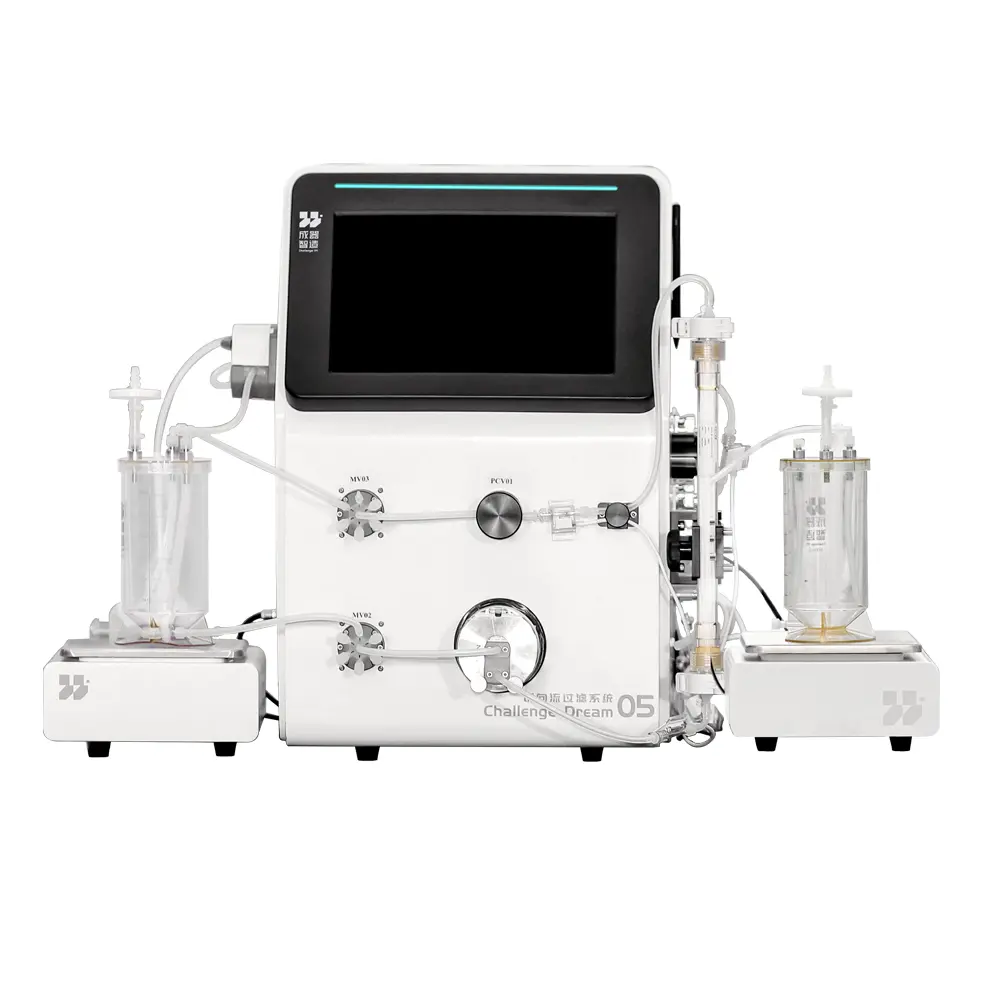 Tangential Flow Filtration(TFF) System
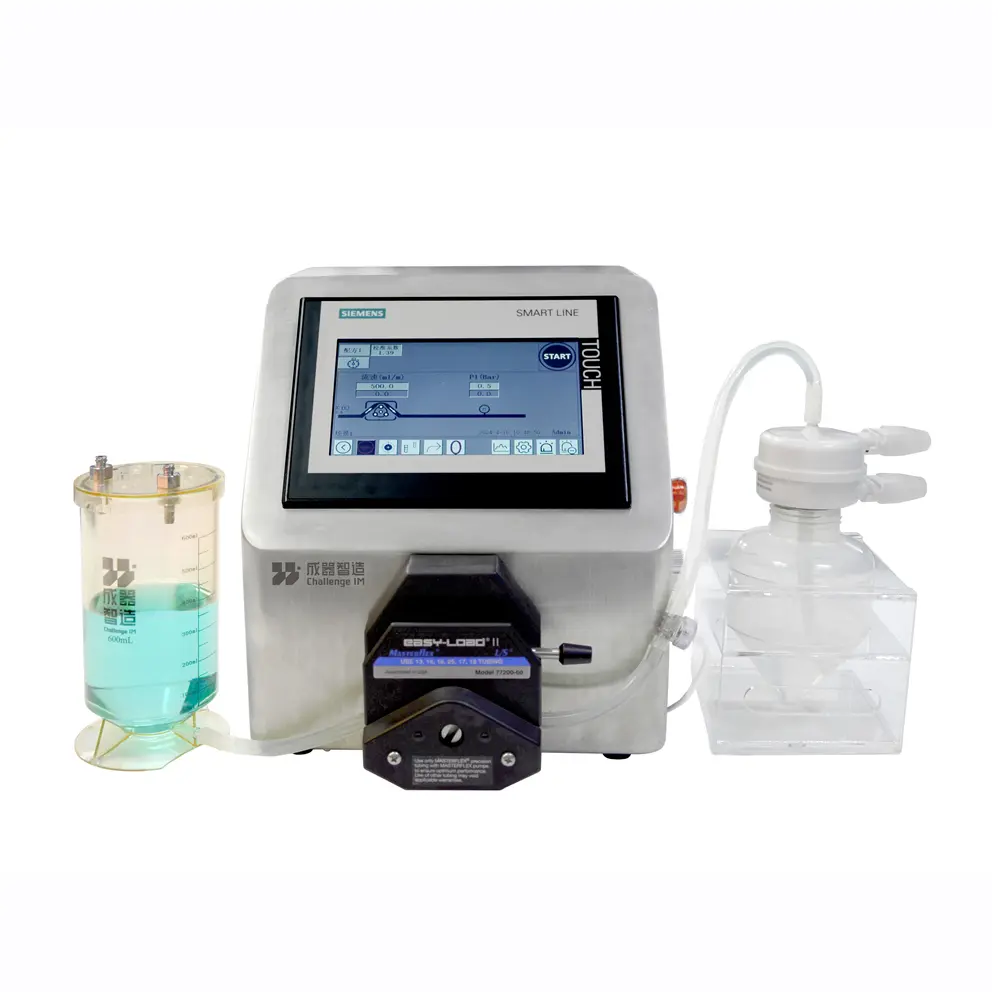 Jump Pump
 FIT Integrity Tester
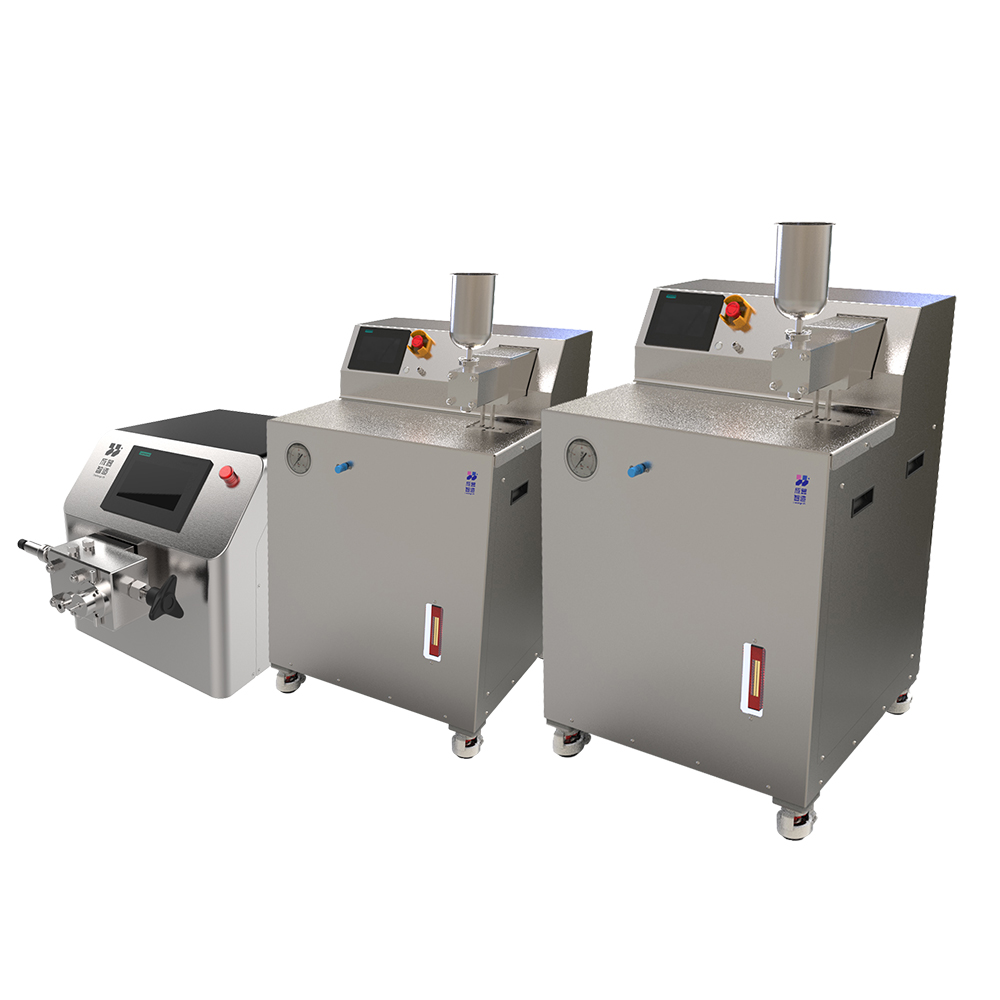 High Pressure Homogenizers
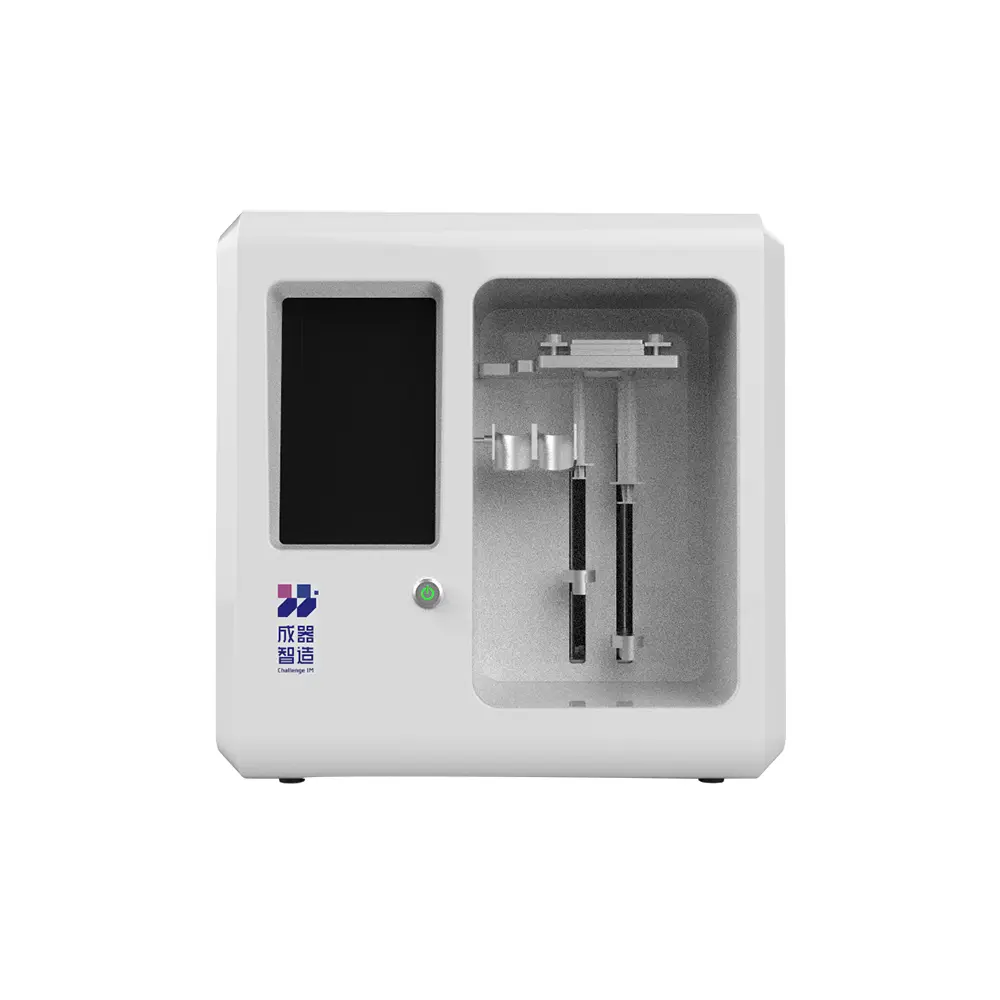 Microfluidics