Top 10 Tips for Choosing the Right Bag Filters?
Choosing the right bag filters can feel overwhelming. With many options available, understanding their specifics is crucial. Bag filters play a significant role in various industries, from water treatment to air filtration. Selecting an appropriate bag filter not only affects performance but also long-term operational efficiency.
Quality matters when it comes to bag filters. The right filter will optimize your system and reduce costs. However, a common mistake is choosing based on price alone. This may lead to frequent replacements, worsening overall performance. Investing time in research can be beneficial.
Consider the application of your bag filters carefully. Each situation may demand unique specifications. Evaluate the environment, the type of contaminants, and the required flow rates. Ignoring these factors might lead to unsatisfactory results. Everyone wants a reliable solution, but it takes diligence to find the best fit.
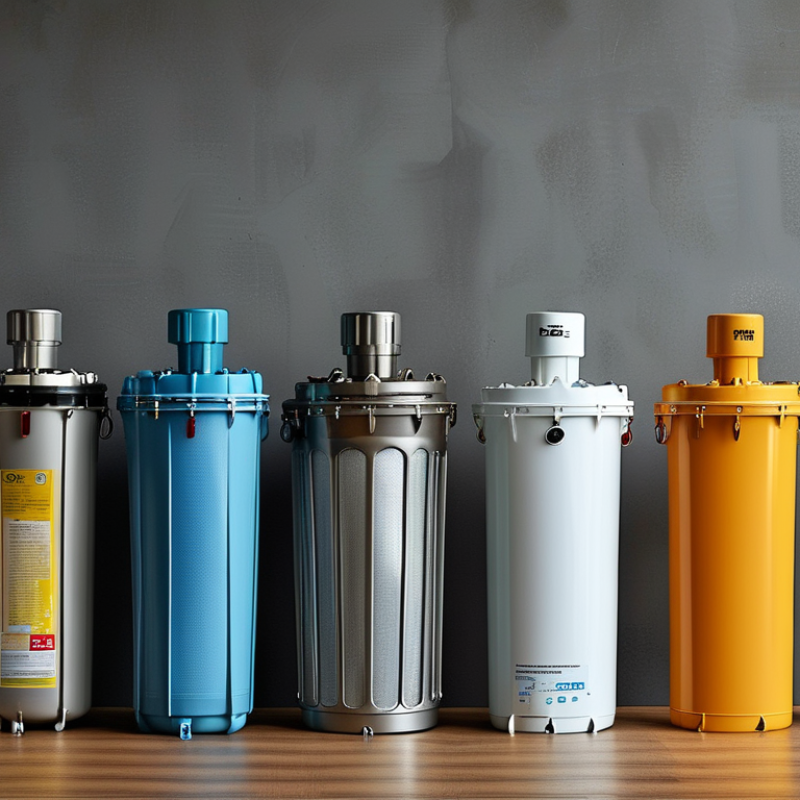
Understanding Bag Filters: Definition and Common Applications
Bag filters play a critical role in various industries. They are essential for air and liquid filtration, ensuring better product quality and compliance with environmental regulations. In industrial settings, bag filters are commonly used in processes like dust collection and water treatment. Their design allows for efficient particle removal, which can significantly reduce contamination levels.
According to a recent industry report, the global bag filter market is projected to grow at a compound annual growth rate (CAGR) of 5.2% between 2023 and 2030. This growth reflects a rising demand for cleaner technologies in manufacturing and construction sectors. The effectiveness of bag filters often hinges on their fabric type and filtration efficiency, making it vital for manufacturers to choose appropriate materials, such as polyester or polypropylene.
However, users must also consider the potential downsides. Improper selection can lead to premature filter failure or reduced efficiency. For instance, if a bag filter is not matched to the specific application, it may clog quickly or allow harmful particles to pass through. Regular maintenance is also critical, yet often neglected. Users might find it challenging to balance cost with performance, leading to tough decisions. Taking the time to understand these factors can make a significant difference in both operational efficiency and long-term cost savings.
Top 10 Tips for Choosing the Right Bag Filters
| Tip Number |
Tip Description |
Common Applications |
| 1 |
Identify the filter media suitable for your application. |
Air filtration systems, water treatment. |
| 2 |
Consider the size and volume of the filter. |
Industrial dust collection, HVAC systems. |
| 3 |
Evaluate the efficiency and particle size retention. |
Pharmaceutical production, food processing. |
| 4 |
Assess the operational conditions and environment. |
Chemical manufacturing, automotive applications. |
| 5 |
Check the filter's dust holding capacity. |
Wastewater treatment, mining operations. |
| 6 |
Review the filter's resistance to pressure drops. |
HVAC systems, power plants. |
| 7 |
Consider the filter's longevity and maintenance needs. |
Food and beverage industry, clean rooms. |
| 8 |
Research the certifications and standards compliance. |
Medical applications, electronics manufacturing. |
| 9 |
Choose between bag or cartridge filters based on space. |
Construction sites, industrial facilities. |
| 10 |
Consult with industry experts for tailored solutions. |
Environmental protection, specialized chemical processes. |
Evaluating Material Types: Fabric Choices for Bag Filters
When selecting bag filters, evaluating the material types is crucial. The right fabric can greatly impact performance. Common choices include polyester, nylon, and polypropylene. Each material has unique properties affecting filtration efficiency and durability.
Polyester is known for its strength and resistance to chemicals. It's often used in environments with aggressive substances. Nylon offers flexibility and excellent abrasion resistance, making it suitable for dynamic applications. Polypropylene, on the other hand, is lightweight and resistant to moisture. It’s ideal for wet processes.
Consider environmental factors when choosing a fabric. High temperatures might compromise some materials. In harsh settings, the fabric's permeability is essential, as it affects dust and particle retention. Reflect on your specific needs. Opt for materials that not only fit your operational requirements but also align with regulatory standards.
Key Performance Metrics: Airflow, Efficiency, and Resistance
Choosing the right bag filter involves various key performance metrics. Airflow is one of the most critical factors. Filters must maintain adequate airflow to ensure system efficiency. According to the ASHRAE Standard 52.2, a filter's airflow capacity can significantly impact energy consumption. A high-efficiency filter might restrict airflow, leading to increased energy costs. Balancing airflow with efficiency is essential for optimal performance.
Efficiency refers to how effectively a bag filter captures particles. Filters with a Minimum Efficiency Reporting Value (MERV) of 13 to 16 are known to achieve up to 95% efficiency. However, these filters can come with a higher pressure drop. Pressure drop is the resistance a filter exerts against airflow. This resistance can influence the lifespan of the filter and the overall health of HVAC systems. Evaluating both efficiency and resistance is crucial to selecting the right filter.
Finally, resistance must be monitored. High resistance can result in reduced airflow, creating strain on the system. A study showed that a resistance increase of just 0.5 inches of water gauge can reduce airflow by 10%. This strain can lead to more frequent maintenance issues. Evaluating airflow, efficiency, and resistance in detail can prevent common pitfalls in filter selection.
Considerations for Filter Maintenance and Replacement Frequency
Choosing the right bag filters requires careful attention to maintenance and replacement. Regularly scheduled maintenance helps ensure optimal performance. According to industry reports, approximately 30% of filters fail prematurely due to lack of upkeep. This reflects the importance of monitoring filter condition regularly.
Replacement frequency typically relies on several factors. Air quality plays a significant role. For example, environments with higher dust levels require more frequent changes. Studies indicate that filters should ideally be replaced every 3 to 6 months in such areas. Yet, many overlook the warning signs of degrading filters.
Monitoring pressure drops can provide insight into filter health. A pressure drop of 1 inch of water can indicate a filter nearing the end of its lifespan. It is vital to maintain a balanced approach, allowing for efficiency while avoiding hasty replacements. Understanding these factors ensures effective filtration and can significantly reduce unplanned downtime in operations.
Cost-Effectiveness: Budgeting for Bag Filters in Operations
When considering bag filters for operations, cost-effectiveness is a crucial factor.
Budgeting efficiently can directly affect overall operational success. Evaluate the lifecycle cost, not just the initial purchase price. Cheap filters may lead to higher maintenance costs over time. A slightly more expensive filter might save you money in replacements and downtime.
Assess your specific needs. Different environments demand different types of filters. Consider factors like particle size and throughput capacity. An underperforming filter can raise your operational costs. Research common failure points in filters to avoid future expenses. Gathering feedback from industry colleagues can also provide valuable insights on performance and reliability.
Regularly reviewing your budget can reveal opportunities for improvement. Identify any overspending on filters that don’t meet your needs. It's essential to balance quality and cost. Investing in training for staff on maintenance can prolong filter life. Maintaining filters well can mitigate unexpected costs. All these aspects contribute to a more streamlined operation, ultimately improving your bottom line.


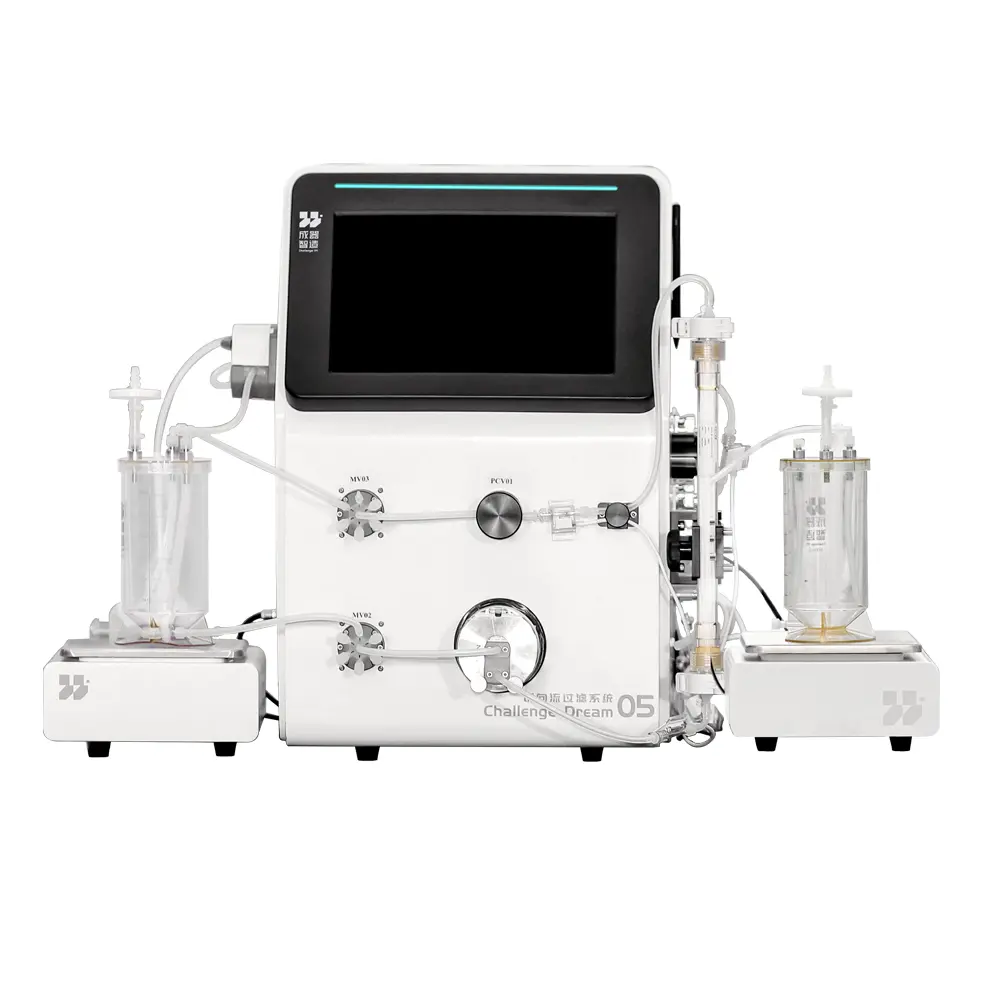 Tangential Flow Filtration(TFF) System
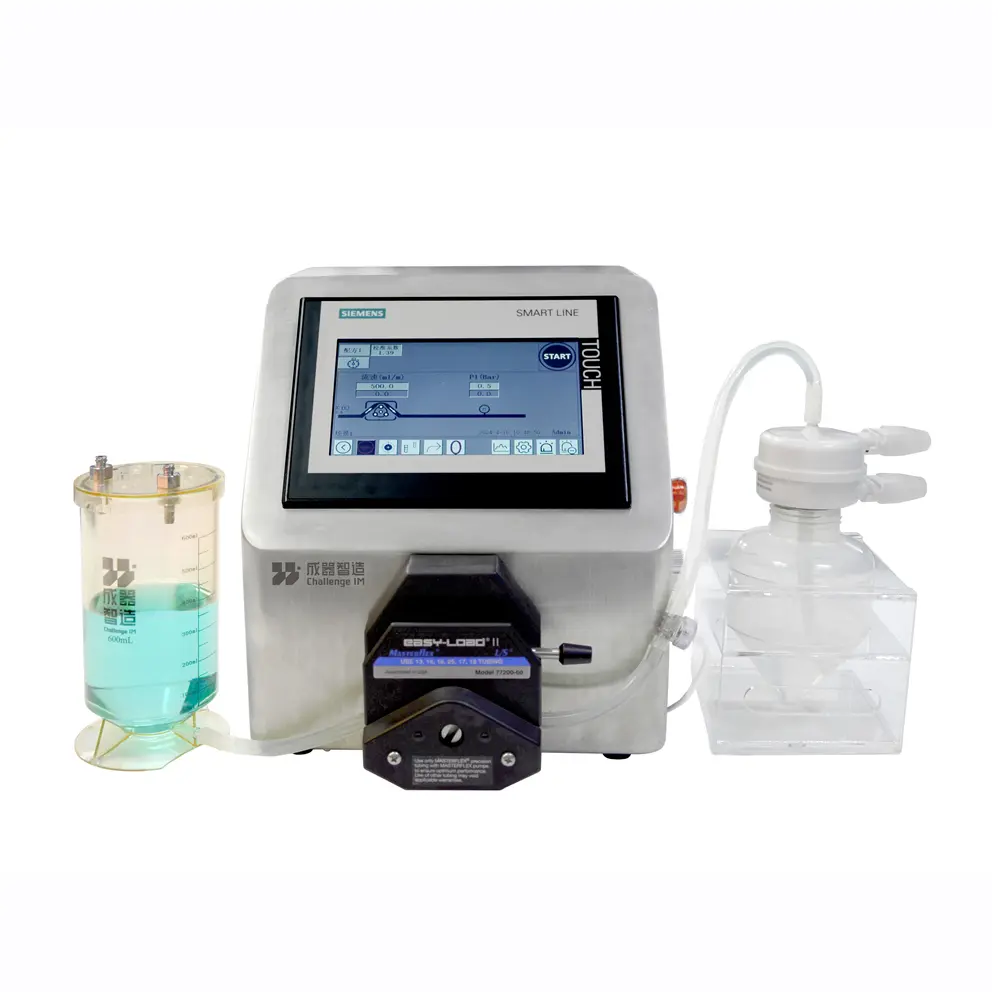 Jump Pump
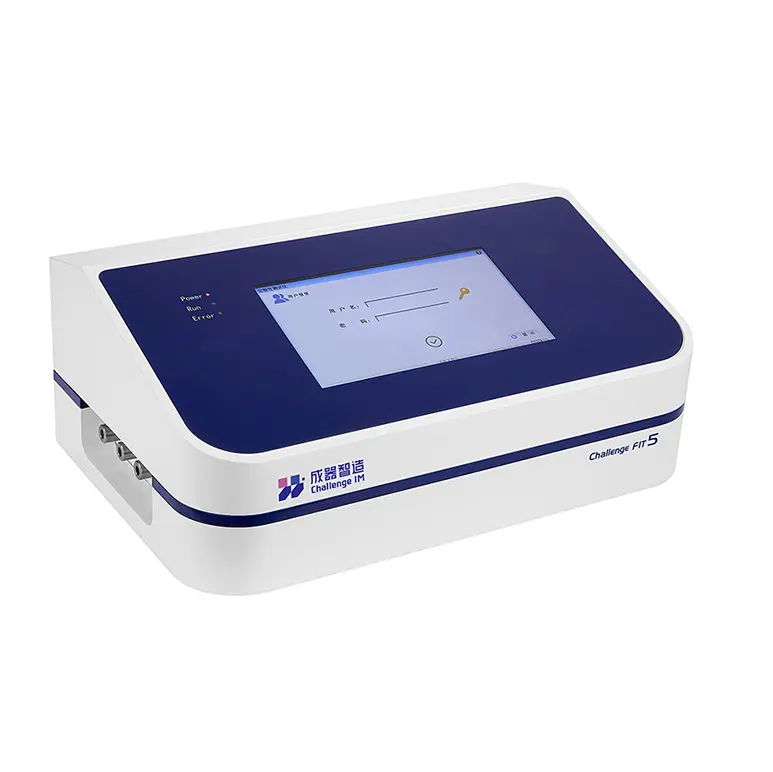 FIT Integrity Tester
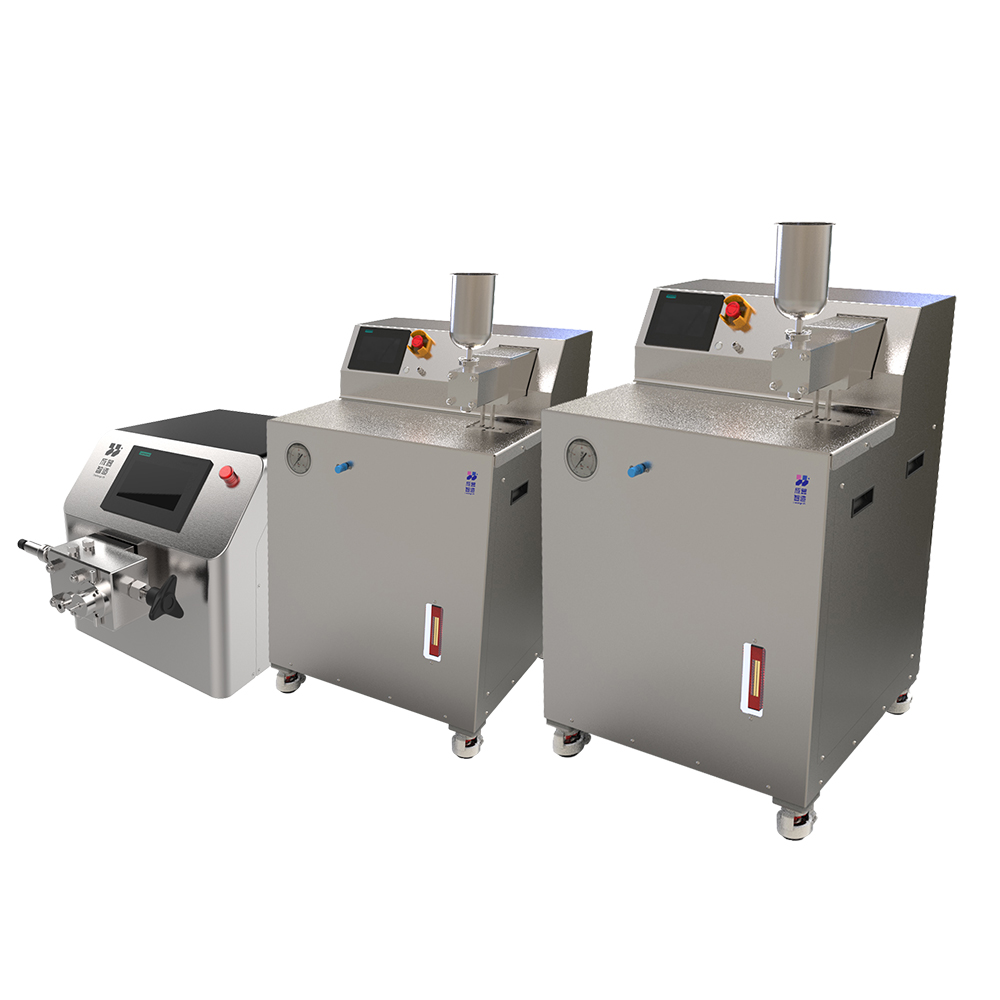 High Pressure Homogenizers
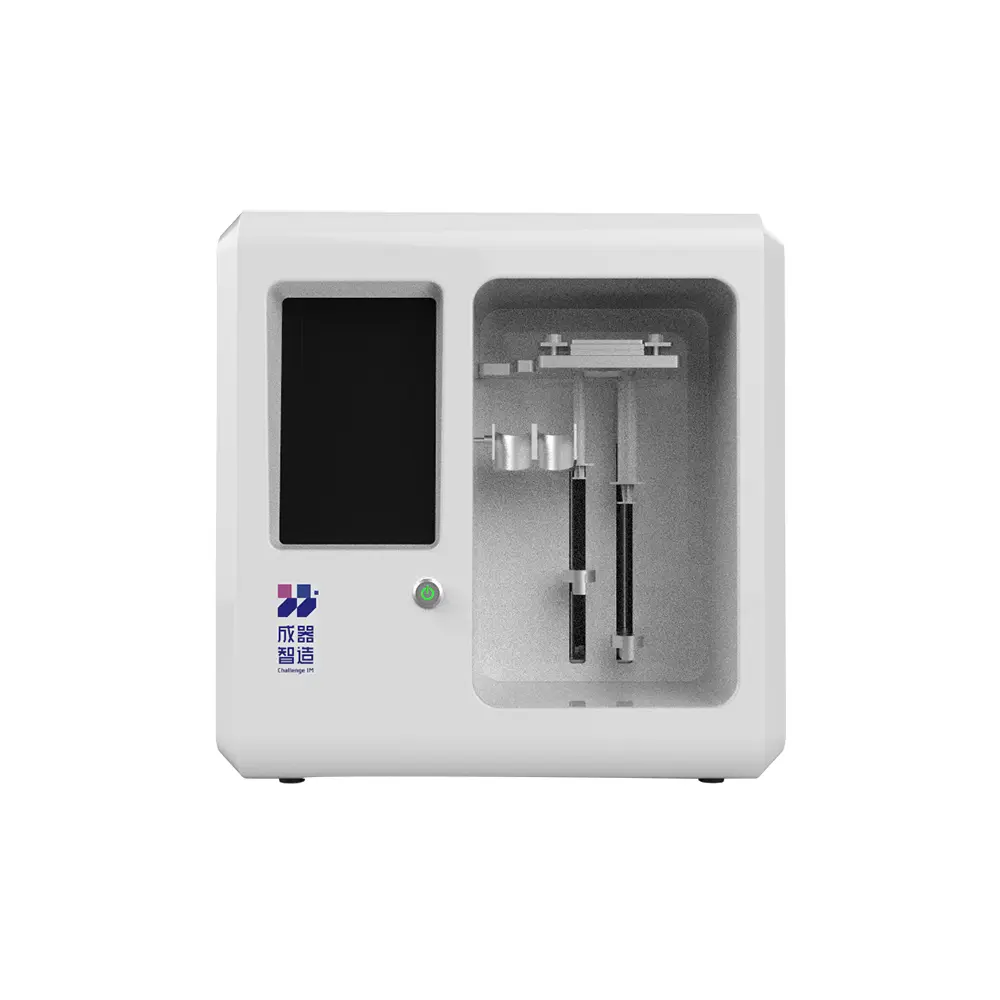 Microfluidics