2025 How to Choose the Right Filtration Cartridge for Your Water Needs
Choosing the appropriate filtration cartridge for your water needs can be a pivotal decision for ensuring clean and safe drinking water. As the leading expert in water filtration systems, Dr. Emily Waters emphasizes, “Selecting the right filtration cartridge is crucial for maintaining both water quality and taste, significantly impacting your health and wellness.” With the increasing concerns about water contamination, understanding the specifications and capabilities of various filtration cartridges has never been more important.
In this guide, we will explore the key factors to consider when selecting a filtration cartridge, including the type of contaminants present in your water, the lifecycle of the cartridge, and compatibility with your existing filtration system. By delving into the specific requirements of your household or commercial water supply, you’ll be better equipped to make informed decisions that align with your unique filtration needs. As you navigate through the myriad options available, remember that the right filtration cartridge not only enhances the quality of your drinking water but also promotes overall health for you and your family.
Understanding Different Types of Filtration Cartridges Available
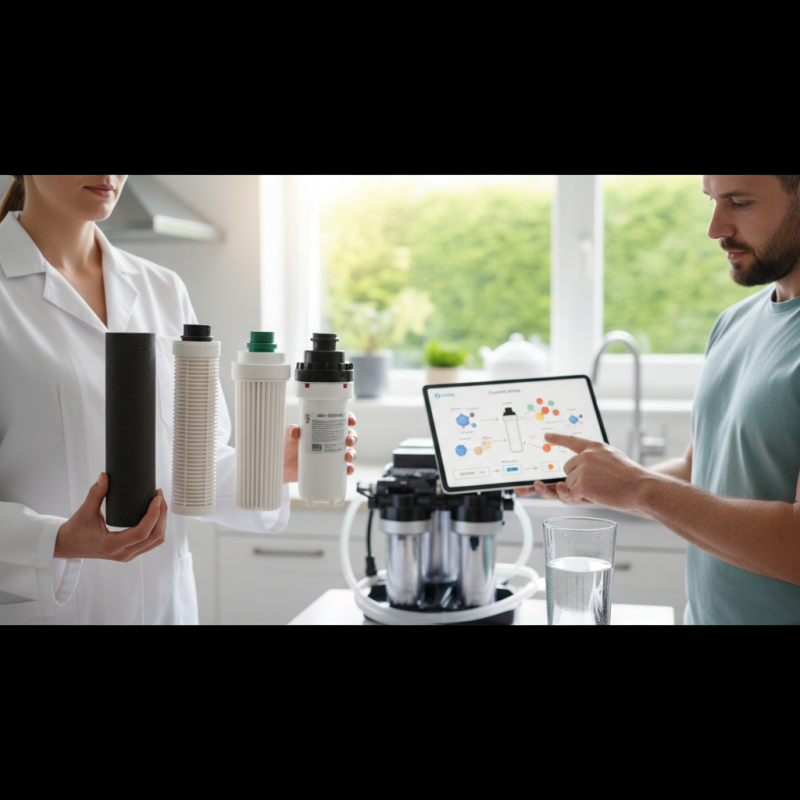
When choosing the right filtration cartridge for your water needs, it’s essential to understand the different types available on the market. The most common types include activated carbon cartridges, reverse osmosis membranes, and ceramic filters. Activated carbon cartridges are renowned for their ability to remove chlorine, sediment, and volatile organic compounds, making them a popular choice for improving taste and odor. These cartridges often work well in conjunction with other filtration methods, effectively enhancing overall water quality.
Reverse osmosis (RO) membranes provide a more comprehensive filtration solution by removing a wide array of contaminants, including heavy metals, salts, and microbes. This system forces water through a semi-permeable membrane, ensuring that only purified water is allowed through. While RO systems are highly effective, they can be more complex and require regular maintenance. Lastly, ceramic filters are valued for their ability to physically block bacteria and sediment while allowing water to pass through. These filters are often washable and reusable, making them an eco-friendly option for those looking to minimize waste. Each filtration type offers its unique benefits, so assessing your specific water quality needs is crucial in making the right choice.
2025 Filtration Cartridge Types and Their Effectiveness
Assessing Your Water Quality: Key Factors to Consider
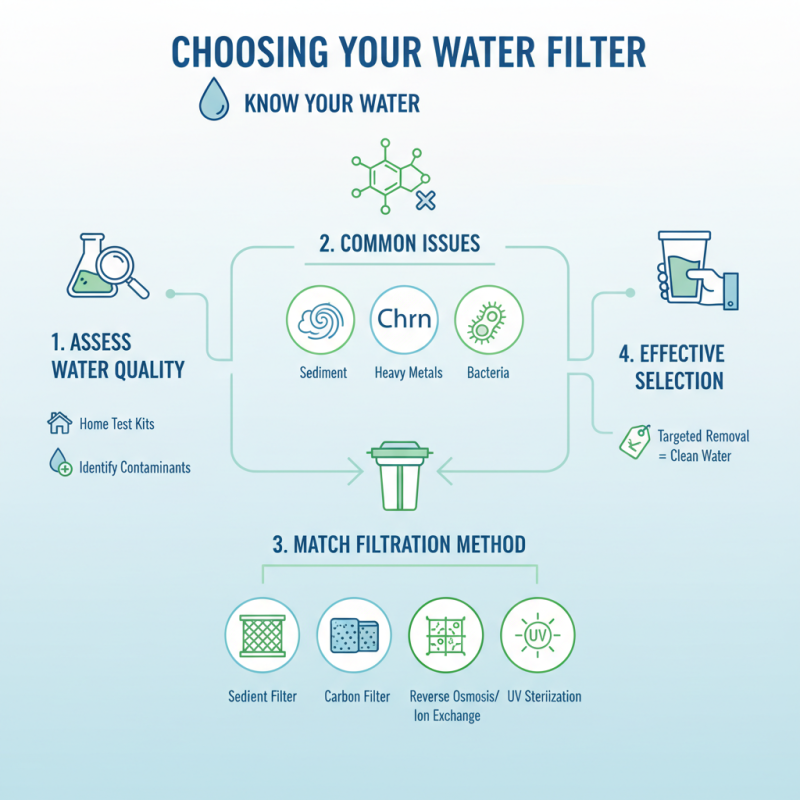
When selecting the right filtration cartridge for your water needs, assessing your water quality is a critical first step. Understanding the specific contaminants present in your water supply is essential in determining the appropriate filtration method. Common issues include sediment, chlorine, heavy metals, and bacteria, each requiring different types of filtration. Home testing kits can provide a comprehensive analysis of your water, helping to identify harmful substances and their concentrations. By knowing exactly what you need to filter out, you can narrow down your options effectively.
In addition to contaminants, consider the hardness of your water and any aesthetic factors such as taste, odor, and color. Hard water can lead to scale buildup in pipes and appliances, while undesirable tastes or smells can make drinking water unappealing. Different filtration technologies, such as activated carbon, reverse osmosis, or ceramic filters, address these concerns in varied ways. Evaluating your specific water concerns, combined with regular water quality testing, will guide you in selecting a filtration cartridge that not only meets safety standards but also enhances your overall water experience.
Determining Your Filtration Needs Based on Usage
When selecting the right filtration cartridge for your water needs, understanding your specific usage is crucial.
Different environments and activities require varying levels of filtration.
For instance, if you use water primarily for drinking and cooking, you will need a cartridge capable of removing contaminants such as chlorine, lead, and microorganisms.
Conversely, if your primary use is for gardening or aquarium maintenance, the focus might be on filtering out particulate matter or harmful chemicals that could affect plant or aquatic life.
Evaluate your daily water consumption and its intended purposes. A household with multiple users may benefit from a higher capacity filtration cartridge compared to a single-person household.
Additionally, consider the water quality in your area; if you are connected to municipal water, knowing the specific contaminants present can guide you in choosing a filtration system that effectively targets those impurities.
For well water users, a more robust filtration system may be necessary to tackle issues such as bacteria or heavy metals.
Overall, tailoring your filtration choices based on your specific water usage will ensure you achieve clean and safe water for all your needs.
Comparing Cost and Maintenance of Filtration Cartridges
When choosing the right filtration cartridge for your water needs, cost and maintenance are two critical aspects to consider. The initial investment in filtration cartridges can vary greatly based on the type and brand. Typically, high-capacity cartridges might come with a higher price tag but can also offer longer usage periods, translating to fewer replacements over time. This means that while you might spend more upfront, the overall cost could balance out with the reduced frequency of purchases.
Maintenance is equally important when selecting filtration cartridges. Regular maintenance involves checking and changing the cartridges as needed, which can vary from monthly to yearly, depending on the water quality and the filter’s design. It’s essential to assess your specific water usage and conditions to determine how often you need to replace the cartridges. Some systems have indicator lights to alert users when a change is required, easing the maintenance burden significantly.
Tips: Always read the manufacturer’s guidelines for maintenance schedules and filter lifespan. Consider investing in a filtration system that provides easy access to cartridges for hassle-free replacements. Additionally, evaluating the environmental impact of cartridges is wise, as reusable options may offer cost savings and reduced waste over time.
Evaluating the Brand Reputation and Reviews on Filtration Products
When selecting the right filtration cartridge for your water needs, the reputation of the brand you choose plays a crucial role in ensuring quality and performance. A strong brand reputation often reflects a history of customer satisfaction and reliability in product efficacy. Potential buyers should look for brands that have established a track record in the industry, supported by positive feedback from consumers who have tested their products in real-world scenarios. Reading reviews can provide valuable insights not just about the filtration effectiveness but also about the longevity and maintenance of the cartridges.
In addition to averaging customer ratings, it’s important to dive deeper into the specifics of the reviews. Look for patterns in feedback regarding the ease of installation, the clarity of customer service provided, and any recurring issues mentioned by users. Engaging with user-generated content and independent evaluations can help filter out biased opinions and give a more rounded view of what to expect. Moreover, checking for any certifications or endorsements from third-party organizations can bolster a brand’s credibility, ensuring you make an informed decision tailored to your filtration needs.
2025 How to Choose the Right Filtration Cartridge for Your Water Needs - Evaluating the Brand Reputation and Reviews on Filtration Products
| Cartridge Type |
Filter Life (Months) |
Contaminants Removed |
Brand Reputation (1-5) |
User Ratings (1-5) |
Price Range ($) |
| Activated Carbon |
6 |
Chlorine, Sediment |
4 |
4.5 |
25-50 |
| Reverse Osmosis |
12 |
Lead, Fluoride, Arsenic |
5 |
4.8 |
150-400 |
| Ultraviolet (UV) |
12 |
Bacteria, Viruses |
4 |
4.7 |
100-250 |
| Ceramic |
12 |
Bacteria, Sediment |
4 |
4.6 |
30-80 |
| Ion Exchange |
6 |
Calcium, Magnesium |
3 |
4.2 |
20-60 |


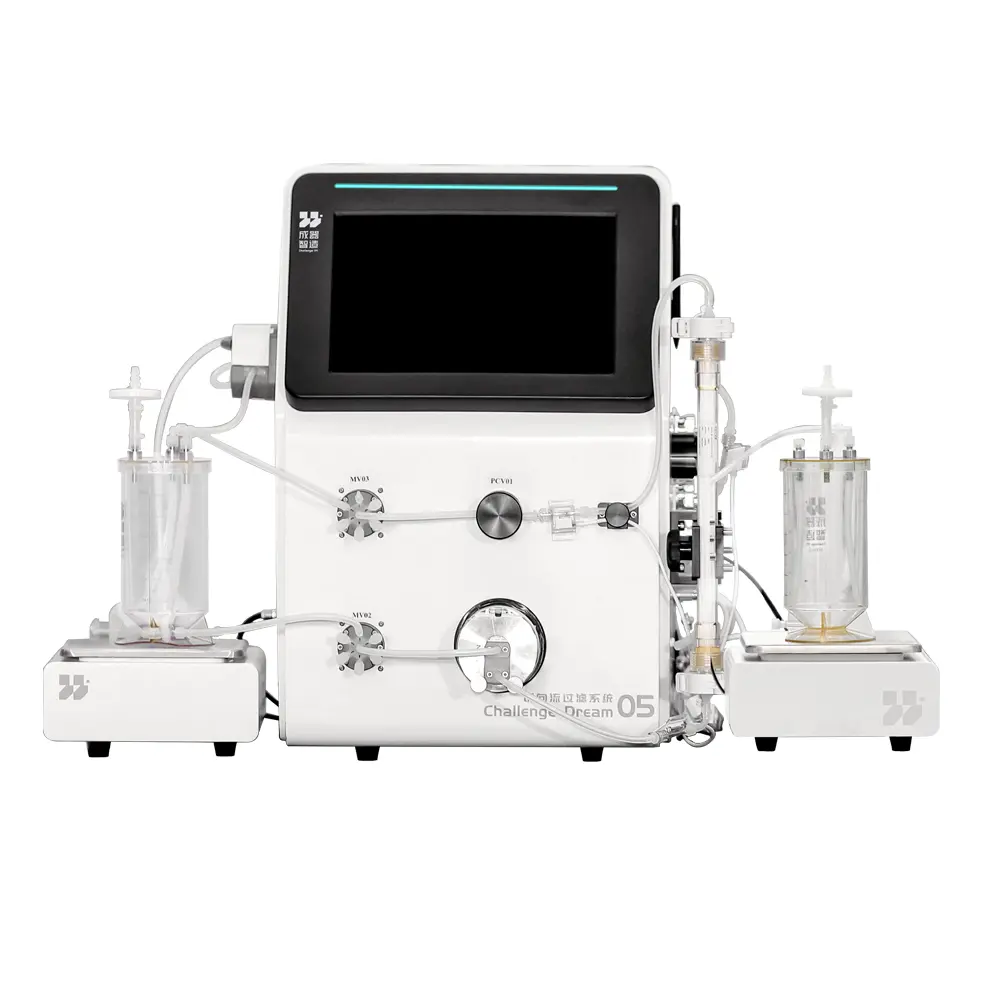 Tangential Flow Filtration(TFF) System
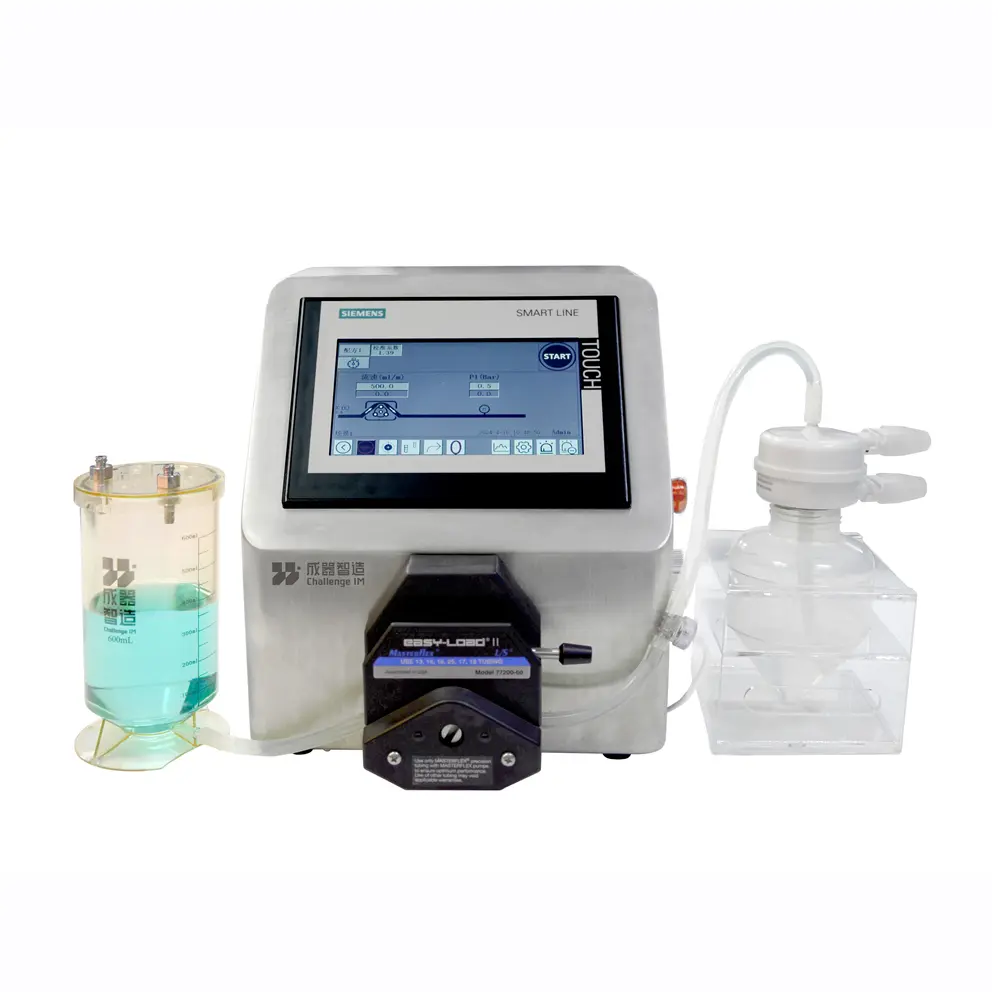 Jump Pump
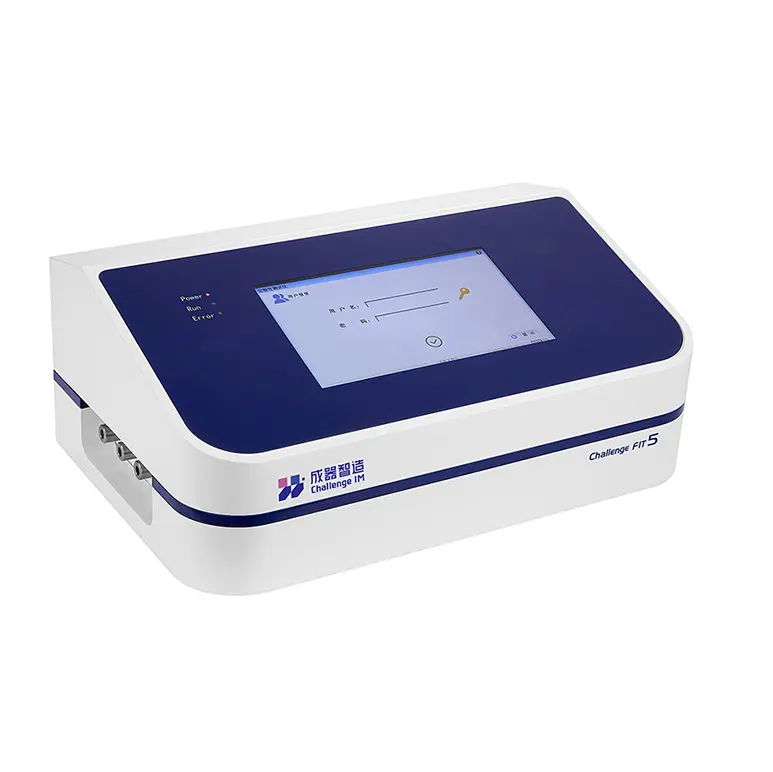 FIT Integrity Tester
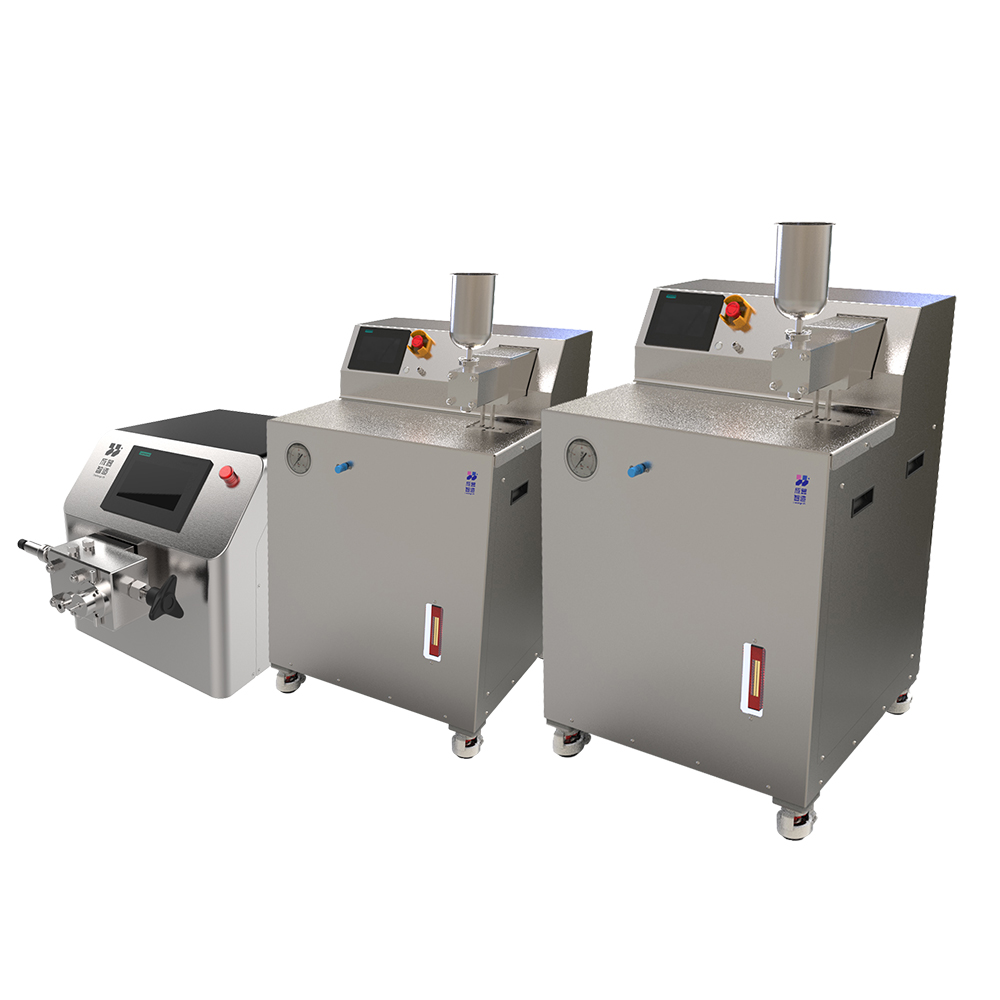 High Pressure Homogenizers
 Microfluidics