How to Start Protein Purification in Your Lab Efficiently and Effectively
Protein purification is a crucial process in molecular biology and biochemistry, serving as the foundation for numerous experimental procedures and applications. Whether it’s aimed at studying protein function, developing therapeutic agents, or producing enzymes for industrial use, the need for high-quality purified proteins is paramount. However, setting out to purify proteins efficiently and effectively can be daunting, especially for those new to the field or working within resource-limited environments.
This article provides a comprehensive guide on how to initiate protein purification in your lab in a systematic manner, ensuring that you achieve the desired outcomes while optimizing time and resources. By understanding the essential principles of protein behavior, selecting appropriate purification techniques, and troubleshooting potential challenges, researchers can enhance their purification strategies. Exploring how to integrate these practices will ultimately contribute to the advancement of various scientific endeavors, highlighting the significance of protein purification in broader biochemical research.
Understanding the Basics: What is Protein Purification and Why It Matters
Protein purification is a fundamental technique in biochemistry and molecular biology that involves isolating a specific protein from a complex mixture, typically a cell lysate or tissue extract. Understanding this process is essential as proteins play crucial roles in various biological functions, and their study can reveal insights into cellular mechanisms, disease pathology, and potential therapeutic targets. By purifying proteins, researchers can characterize their structure, function, and interactions, ultimately advancing our knowledge of molecular biology.
The importance of protein purification extends beyond basic research; it is vital for applications in drug development, diagnostics, and biotechnology. Purified proteins can be used as biomarkers for disease detection or as therapeutic agents in treatments. Additionally, understanding the specific properties and behaviors of proteins through purification allows for innovations in synthetic biology and the design of bioengineered systems. Hence, mastering the techniques of protein purification not only enhances scientific inquiry but also contributes to meaningful advancements in health and technology.
Protein Purification Techniques Comparison
Essential Equipment and Reagents for Successful Protein Purification
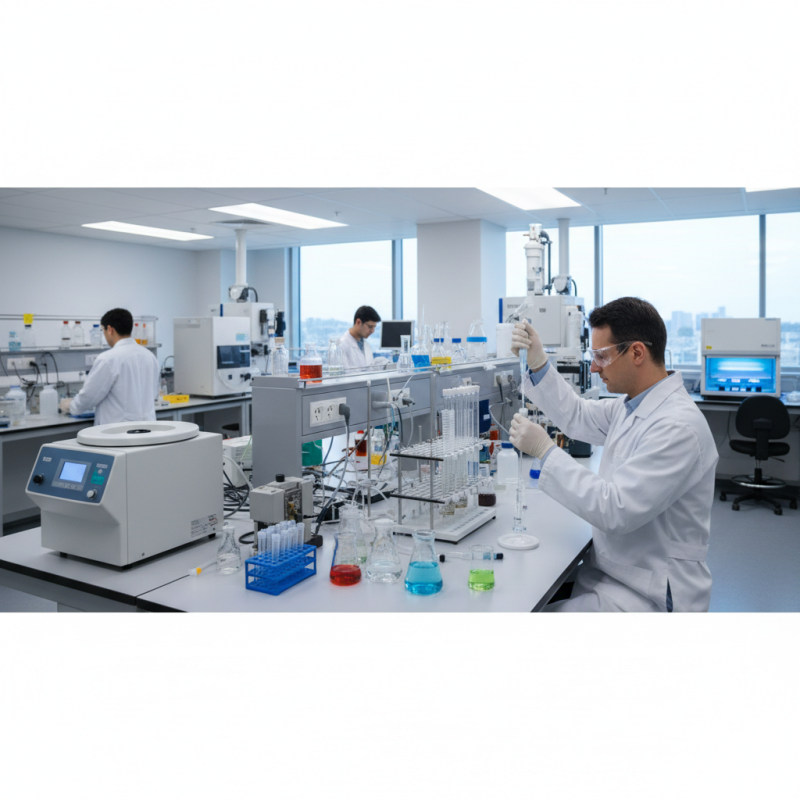
When embarking on protein purification, equipping your lab with the right tools and reagents is crucial for maximizing efficiency and effectiveness. Essential equipment includes
centrifuges,
high-performance liquid chromatography (HPLC) systems, and
ultraviolet-visible (UV-Vis) spectrophotometers.
According to a report by the International Society for Biotechnology and Bioengineering, approximately 70% of laboratories still encounter bottlenecks in their protein work due to inadequate equipment.
Investing in high-quality centrifuges can accelerate the sedimentation process significantly, with modern models capable of achieving speeds of up to
100,000 x g, facilitating rapid separation of proteins from cellular debris.
Moreover, choosing the right reagents can dramatically enhance purification outcomes.
Affinity tags,
buffers, and
detergents play vital roles in this process.
A meta-analysis in the journal Protein Science indicates that using optimized buffer compositions can increase protein yield by up to
40%. Additionally, incorporating specific affinity chromatography techniques can offer purity grades of over
90%, provided the correct ligands are used.
These foundational elements not only streamline the purification process but also yield high-quality proteins essential for downstream applications, ultimately fostering advancements in research and biotechnology.
Step-by-Step Protocols: Common Techniques for Protein Purification
Protein purification is a crucial process in many laboratories, aimed at isolating specific proteins for further study and application. This step-by-step guide outlines common techniques employed in protein purification, helping researchers navigate through the complexities of the procedure. Starting with cell lysis, it's essential to disrupt the cellular membrane to release the proteins into a suitable buffer. Various mechanical methods, such as sonication or homogenization, can be utilized depending on the sample type.
**Tips:** Always choose buffers that maintain the stability and activity of your target protein. Adding protease inhibitors can also safeguard your proteins from degradation during extraction.
Following cell lysis, the next step often involves centrifugation. This process helps clarify the lysate by separating soluble proteins from cell debris. After centrifugation, different affinity chromatography techniques can be employed to selectively bind your target protein. Understanding the properties of your protein, such as its charge or hydrophobicity, will guide you in selecting the appropriate chromatographic method.
**Tips:** Consider running small-scale experiments first to optimize the conditions for your purification protocol. Monitor the elution fractions carefully to catch your protein of interest before it gets diluted or lost.
How to Start Protein Purification in Your Lab Efficiently and Effectively - Step-by-Step Protocols: Common Techniques for Protein Purification
| Technique |
Description |
Applications |
Advantages |
Limitations |
| Affinity Chromatography |
Separates proteins based on specific binding interactions. |
Purifying antibodies, enzymes, or tagged proteins. |
High specificity and purity; adaptable to various targets. |
Requires knowledge of binding interactions; can be expensive. |
| Ion Exchange Chromatography |
Separates proteins based on charge at a given pH. |
Purifying proteins with varying isoelectric points. |
High resolution; effective for complex mixtures. |
Protein stability can be affected by pH changes. |
| Gel Filtration Chromatography |
Separates proteins based on size through porous beads. |
Determining molecular weight, desalting, or buffer exchange. |
Gentle and non-denaturing; minimal sample loss. |
Limited resolution for closely sized proteins. |
| Precipitation |
Uses salts or organic solvents to cause proteins to precipitate. |
Concentrating proteins from solutions. |
Simple and quick; minimal equipment needed. |
May co-precipitate unwanted substances. |
Optimizing Conditions: Factors Influencing Protein Stability and Yield
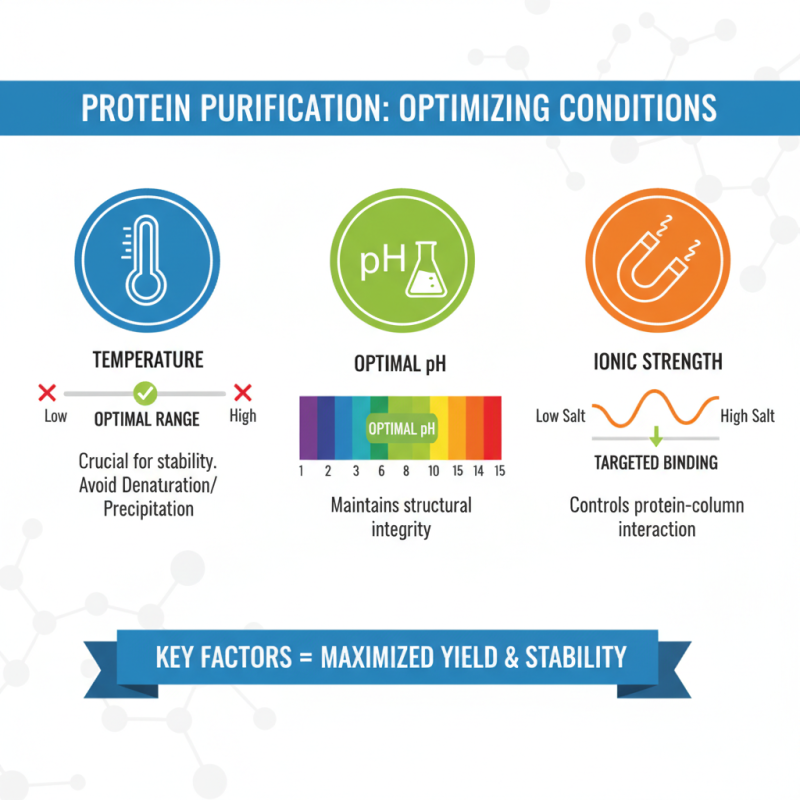
When embarking on protein purification, optimizing conditions is crucial for maximizing both protein stability and yield. Various factors can significantly influence these parameters, including temperature, pH, and ionic strength. For instance, maintaining an appropriate temperature during purification is essential; excessively high or low temperatures can lead to protein denaturation or precipitation, thereby reducing overall yield. Experimenting with a range of temperatures can help identify the optimal conditions for the target protein, ensuring its structural integrity is preserved.
Another pivotal factor is the pH of the buffering solution. Each protein has a specific pH range where it remains stable and soluble. Deviating from this optimal pH can result in aggregation or loss of biological activity. It is recommended to conduct preliminary tests to determine the isoelectric point of the protein, allowing researchers to adjust the buffer conditions accordingly. Additionally, ionic strength plays a role in protein interactions; too much salt can shield charged groups, affecting solubility and potentially leading to unwanted aggregations. Fine-tuning these parameters will enhance not only the stability of the protein during purification but also the yield obtained, leading to more efficient downstream applications.
Data Analysis and Quality Control in Protein Purification Processes
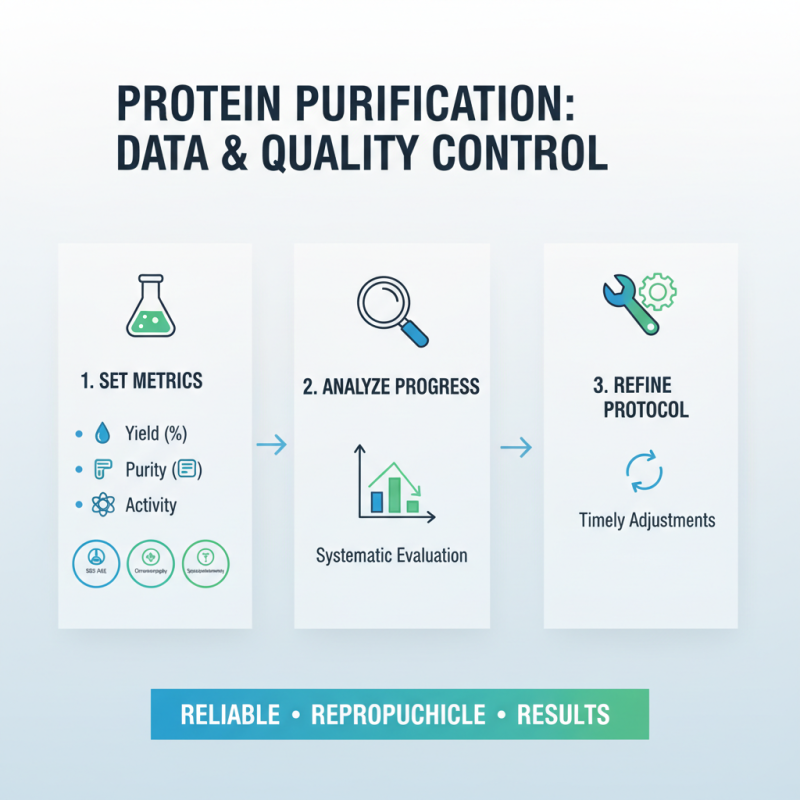
Data analysis and quality control are paramount in the protein purification process, serving as the backbone for achieving reliable and reproducible results. The first step in ensuring quality is to establish clear metrics before beginning purification. These metrics may include yield, purity, and activity levels, which can be assessed through various analytical techniques such as SDS-PAGE, chromatographic methods, or spectrophotometry. By setting these benchmarks early, researchers can systematically evaluate the progress of their purification protocols, enabling timely adjustments when necessary.
During the purification process, continuous monitoring of data is essential. This can involve real-time analysis of collected samples at each purification stage. Advanced statistical tools and software can facilitate the interpretation of large datasets, allowing researchers to visualize trends that could indicate potential issues or deviations from the expected outcomes. Implementing a rigorous quality control system helps in identifying contamination, degradation, or loss of activity, thus safeguarding the integrity of the purified protein. Regular audits and documentation of every step taken ensure that the purification process adheres to established protocols, thereby enhancing overall efficiency and effectiveness.


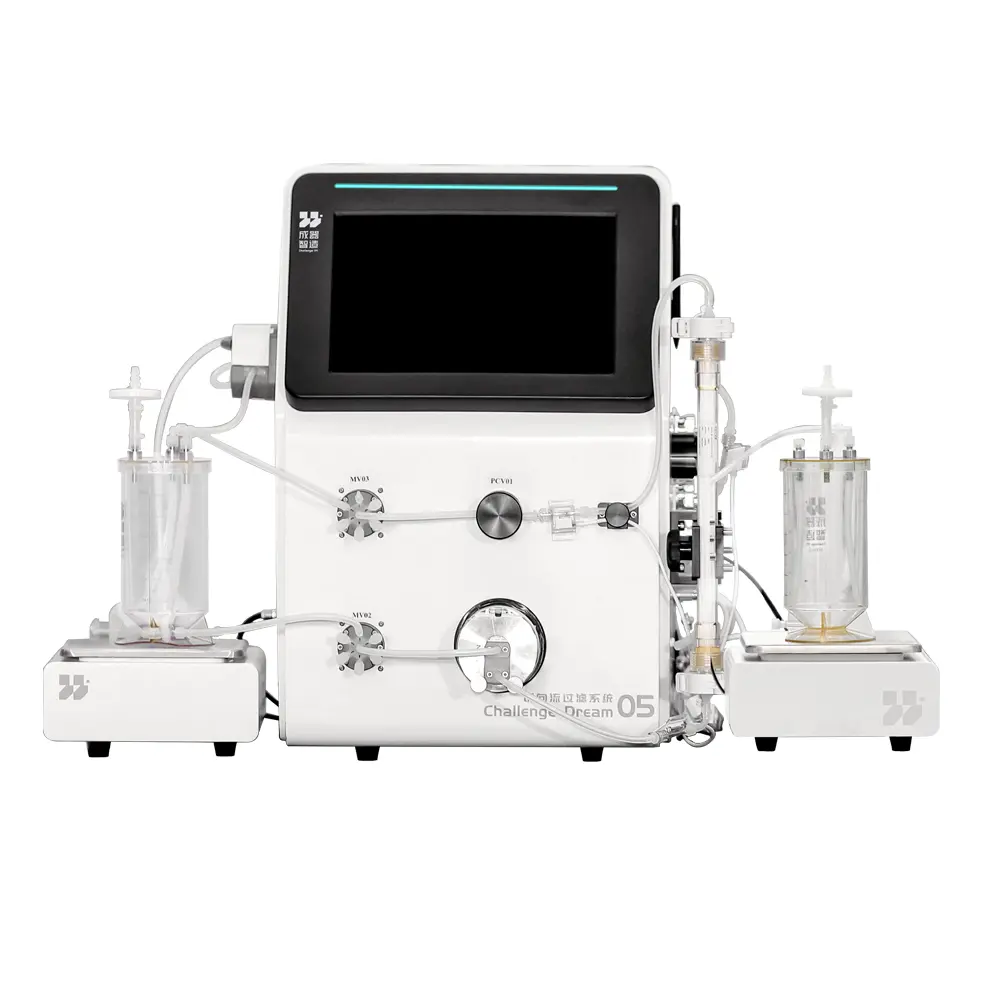 Tangential Flow Filtration(TFF) System
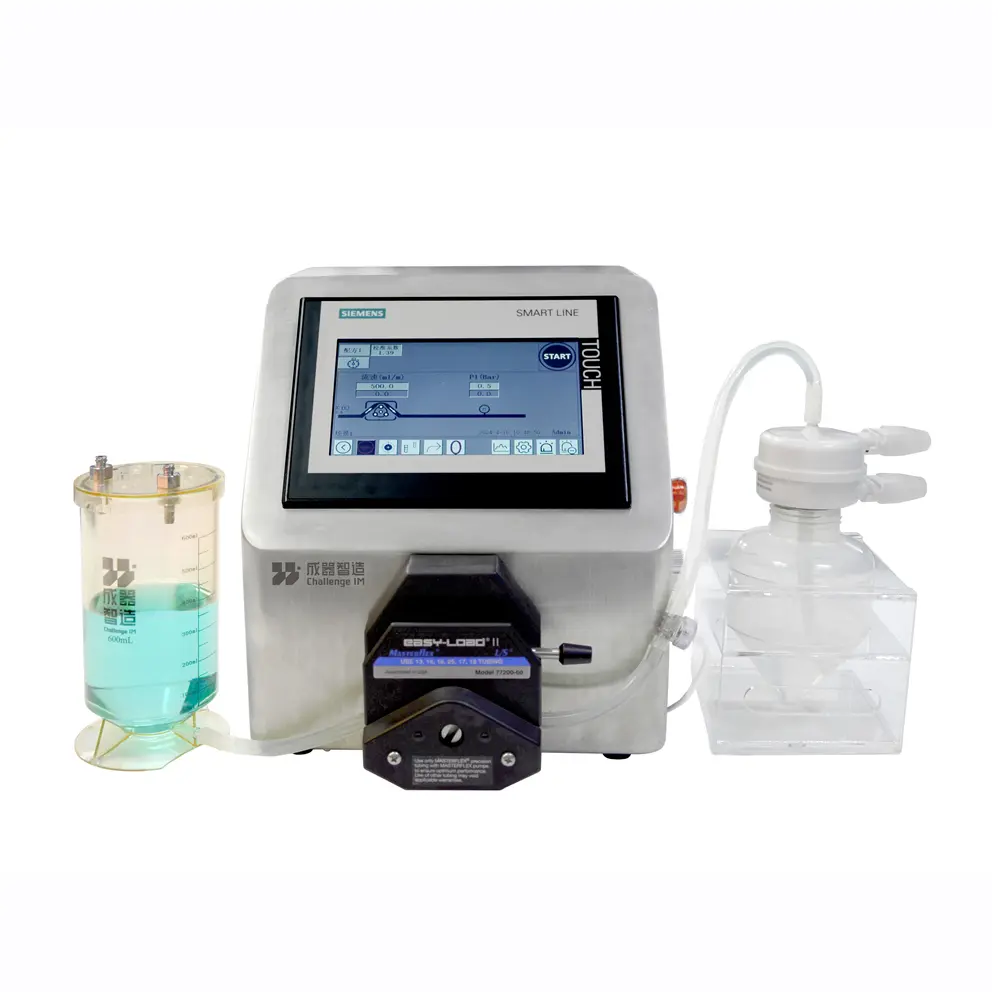 Jump Pump
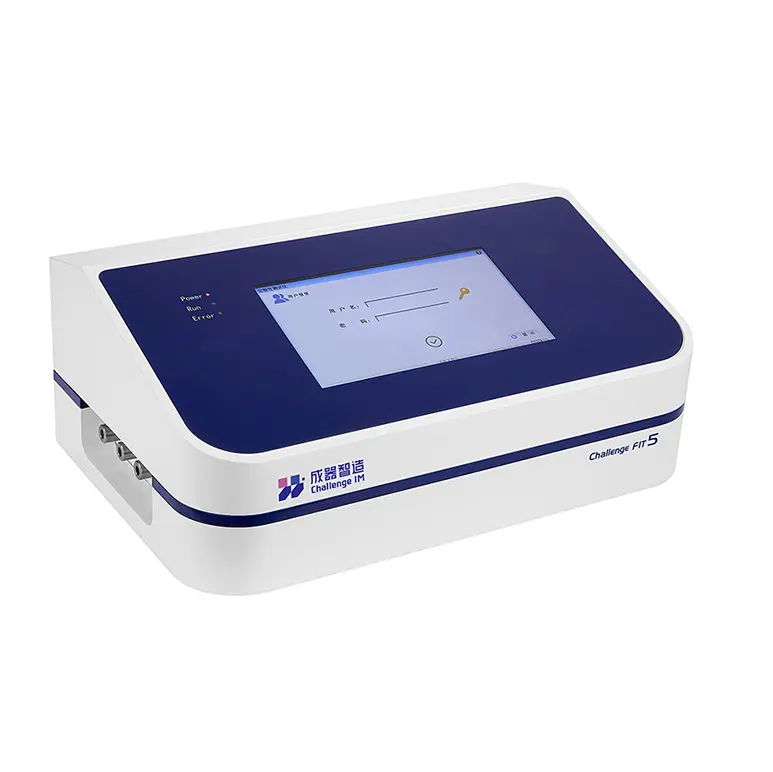 FIT Integrity Tester
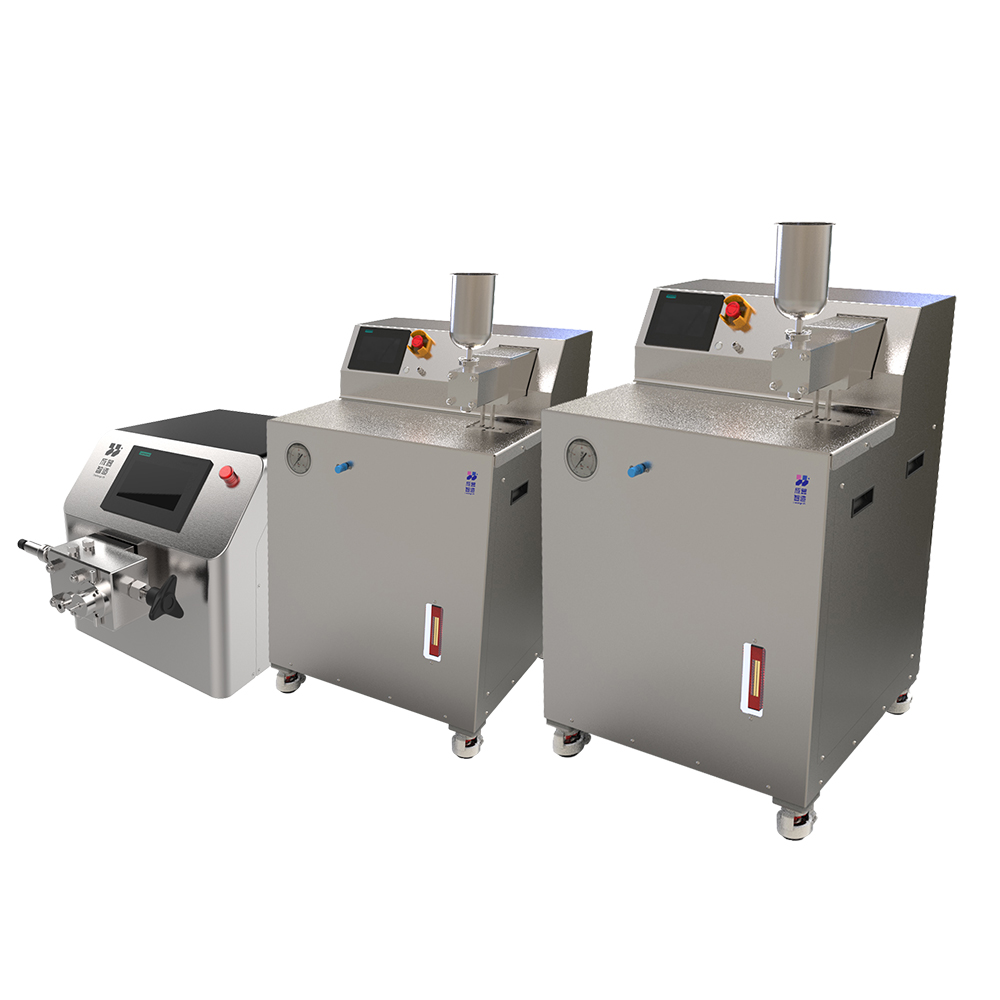 High Pressure Homogenizers
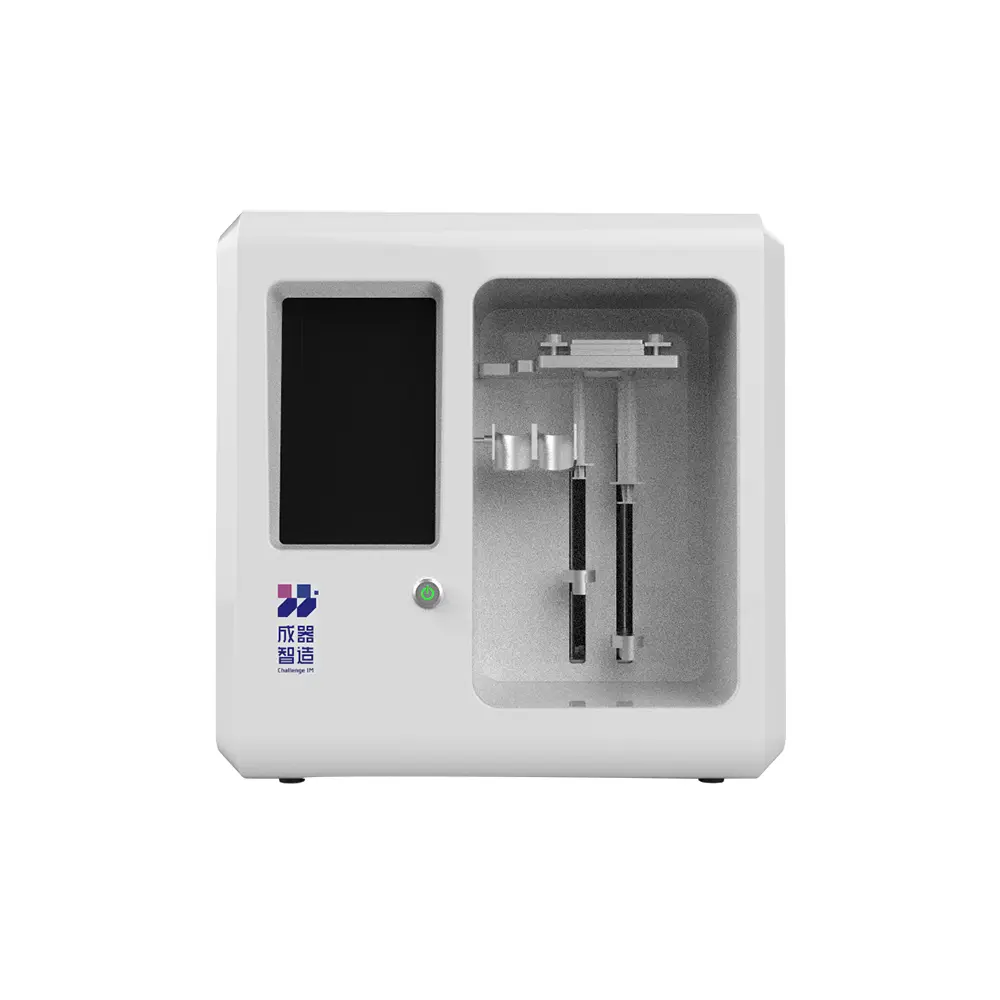 Microfluidics