Essential Tips for Choosing the Right Diaphragm Pump?
Choosing the right diaphragm pump can be a complex task. With various models and applications, understanding your needs is crucial. Industry expert Dr. Emily Thornton emphasizes, "Selecting the right diaphragm pump requires both knowledge and experience." This insight highlights the importance of informed decisions.
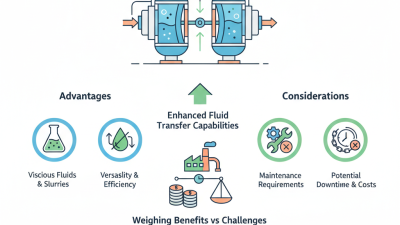
The diaphragm pump plays a critical role in numerous industries. From chemical processing to water treatment, these pumps ensure precise fluid transfer. However, not all diaphragm pumps are created equal. Each application has unique requirements, and choosing poorly may lead to inefficiencies.
Consider factors like flow rate, material compatibility, and ease of maintenance. It's also essential to reflect on past experiences with diaphragm pumps. Analyzing previous choices can reveal what works and what doesn’t. As you navigate options, remember that experience significantly influences the right choice.
Factors to Consider When Choosing a Diaphragm Pump
When selecting a diaphragm pump, several critical factors must be considered to ensure optimal performance. First, the pump’s material is pivotal. For corrosive fluids, materials like PTFE and nitrile are essential. According to a study by the Fluid Engineering Association, more than 40% of pump failures are related to material incompatibility. This statistic underscores the importance of matching the pump's construction to the fluid characteristics.
Another essential factor is the pump's flow rate. The required flow rate can vary significantly depending on the application. Industrial operations often need pumps that handle large volumes efficiently, while laboratory scenarios might require precision at lower rates. Flow rates can range from less than one liter per minute to several hundred. Understanding your specific requirements will aid in selecting the right pump.
Lastly, consider the pump's diaphragm design. Single and double diaphragm configurations have distinct advantages. A double diaphragm pump often provides higher reliability. However, it can be more complex and expensive. Balancing cost with operational needs is crucial. The choice requires careful evaluation of how each component aligns with your operational goals.
Types of Diaphragm Pumps and Their Applications
Diaphragm pumps come in various types, each tailored for specific applications. For instance, air-operated diaphragm pumps excel in transferring abrasive liquids. These are commonly used in mining and agriculture. According to industry research, the market for diaphragm pumps is projected to reach $5 billion by 2025, reflecting their growing importance across sectors.
Electric diaphragm pumps are another popular option. They offer precise flow control and are well-suited for chemical handling. Their use is rising in pharmaceuticals and food processing industries. Data indicates that the need for hygienic transfer solutions drives this market segment. However, some users report challenges with maintenance, suggesting the need for comprehensive care practices to enhance pump longevity.
Additionally, there are also hydraulic diaphragm pumps, favored for their ability to run dry without damage. They are predominantly utilized in wastewater treatment and oil extraction. Some reports highlight inefficiencies in energy consumption, prompting manufacturers to innovate. These insights emphasize the diverse needs within the diaphragm pump market and the critical role of informed choices in ensuring operational success.
Key Features and Specifications to Evaluate
When selecting the right diaphragm pump, it’s crucial to focus on key features and specifications. Look for the materials used in construction. Pumps made from corrosion-resistant materials like polypropylene or stainless steel offer better longevity. According to industry reports, pumps constructed with these materials have a 30% higher lifespan in harsh environments.
The flow rate is another important specification. Choose a pump that matches your application’s requirements. Many industrial pumps operate between 1-500 gallons per minute (GPM). This range covers most applications effectively. Yet, if your needs shift, ensure the chosen pump can accommodate changes. Flexibility often becomes essential, especially in dynamic environments.
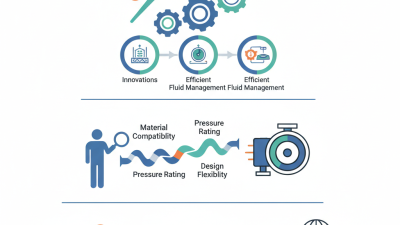
Consider the pressure capability. Diaphragm pumps can handle a variety of pressures, from low to extremely high levels. Some models reach pressures of up to 120 psi. A pump's pressure rating should align with your system’s needs. However, beware of overestimating your requirements. Choosing a pump with excessive pressure can lead to energy inefficiencies and increased operational costs. Evaluating these features allows for a more informed decision, aligning performance with practical application needs.
Maintenance and Lifespan Considerations
When selecting the right diaphragm pump, maintenance and lifespan are critical factors. Regular maintenance extends the life of diaphragm pumps significantly. According to industry reports, proper upkeep can increase operational efficiency by up to 30%. Neglecting routine checks often leads to premature failures.
Monitoring diaphragm condition is crucial. A worn diaphragm can lead to leaks or reduced pumping capacity. Substituting diaphragms every few years may be necessary, depending on usage. This replacement can prevent larger issues that might arise from a compromised pump. Cleaning and inspecting seals is also vital.
Environmental conditions affect pump longevity. High temperatures and corrosive substances can shorten lifespan. It’s been observed that operating a diaphragm pump in harsh conditions reduces its operational life by nearly 50%. Always assess the working environment to ensure optimal pump selection and maintenance practices. Reflecting on these aspects is essential for reliable performance.
Cost vs. Performance: Finding the Right Balance
When considering diaphragm pumps, the balance between cost and performance is crucial. According to a recent industry report, performance efficiency can significantly impact operational costs. Investing in higher-quality pumps often leads to lower maintenance costs over time. However, budget limitations can lead to compromises that may not be sustainable in the long run.
Many industries report losing about 15% of productivity due to unreliable pump performance. This loss can outweigh initial savings from cheaper options. A study shows that a reliable diaphragm pump can improve efficiency by up to 30%. Understanding this trade-off helps in making informed decisions.
It's essential to evaluate not only the upfront cost but also long-term reliability. Metrics like flow rate, pressure capabilities, and materials used in diaphragm pumps should be considered carefully. A pump that meets specific industry standards ensures reliability. Even minor differences in design can lead to significant performance variations. Users must reflect on whether short-term savings are worth potential long-term performance issues.


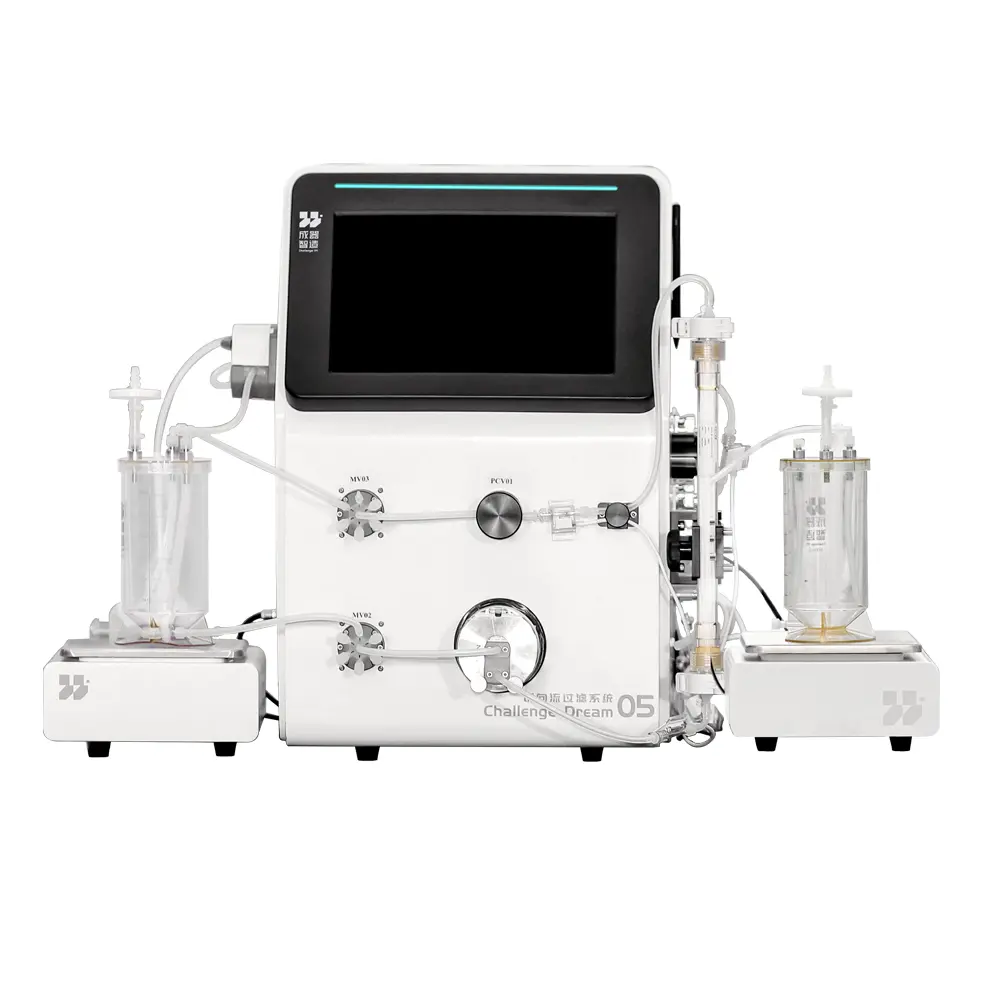 Tangential Flow Filtration(TFF) System
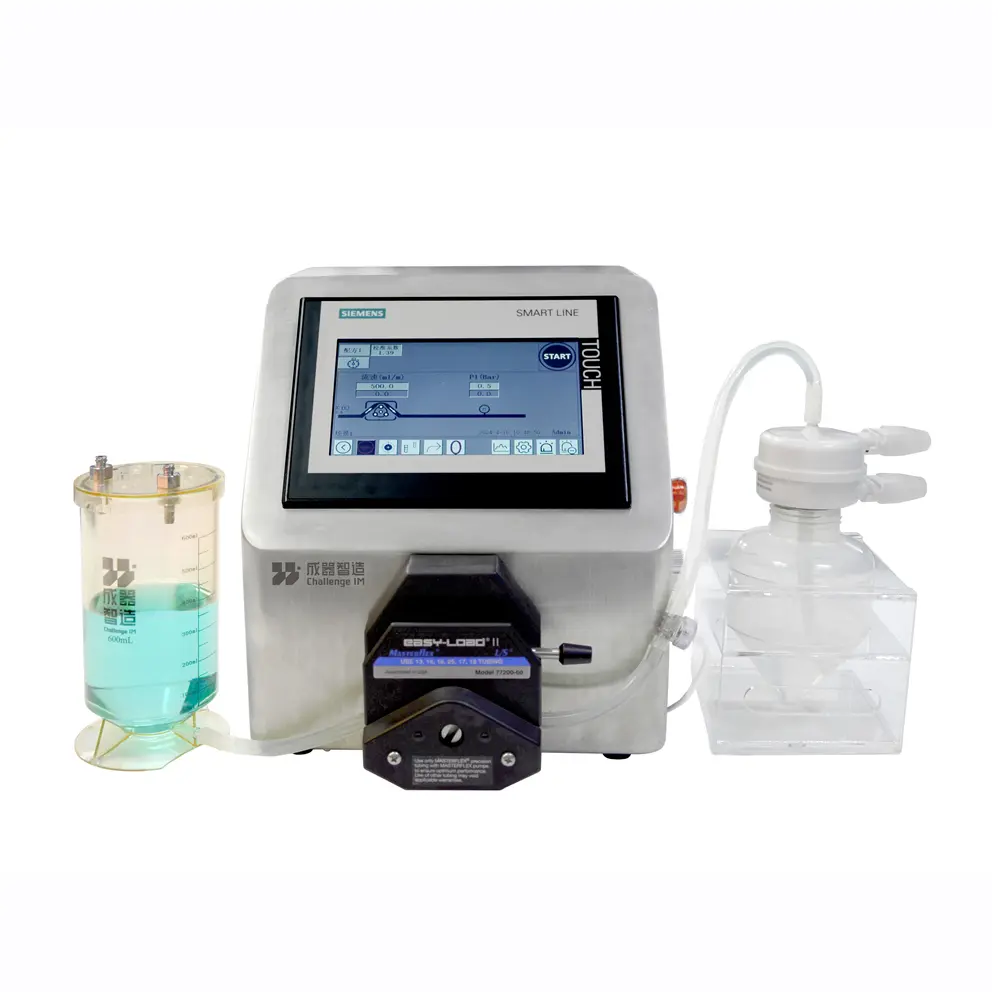 Jump Pump
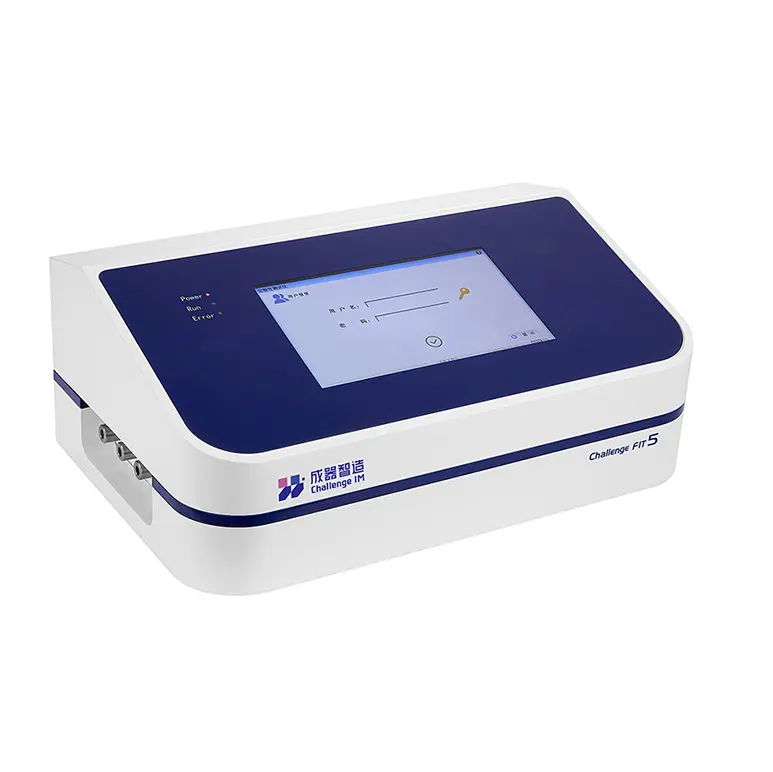 FIT Integrity Tester
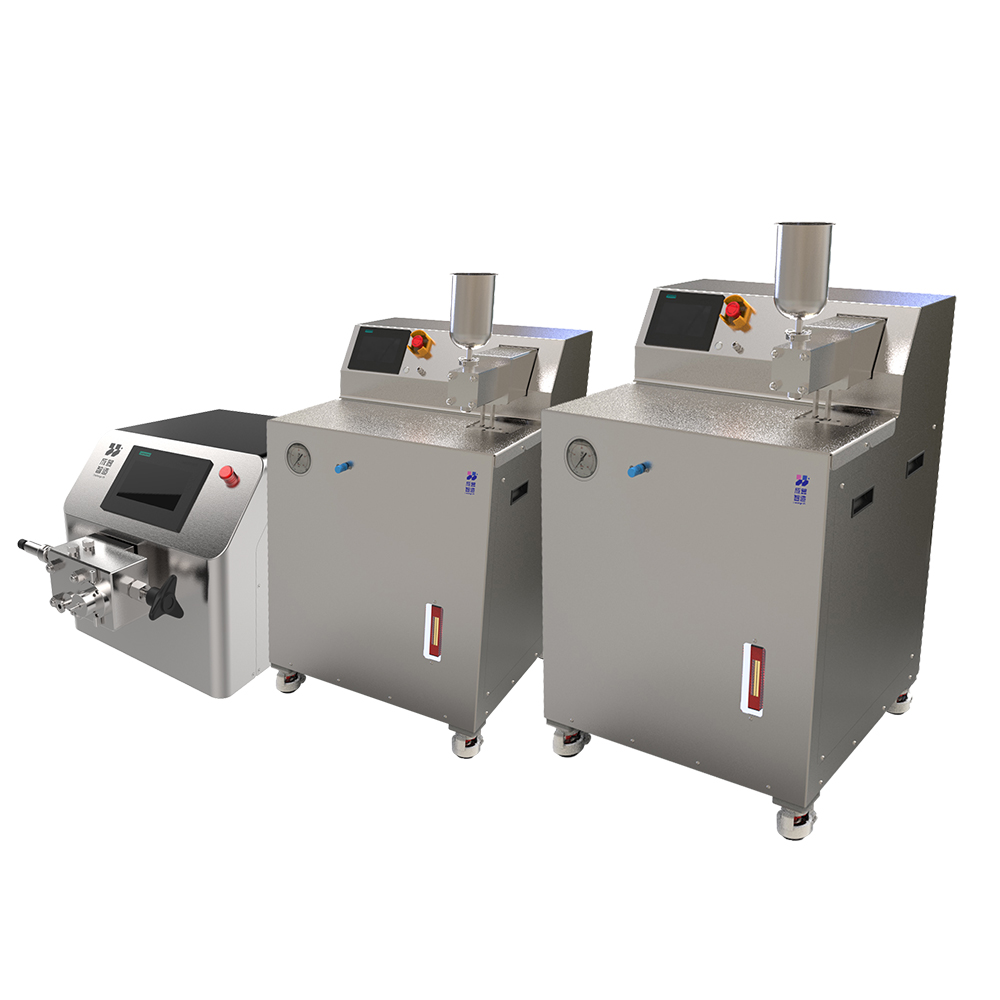 High Pressure Homogenizers
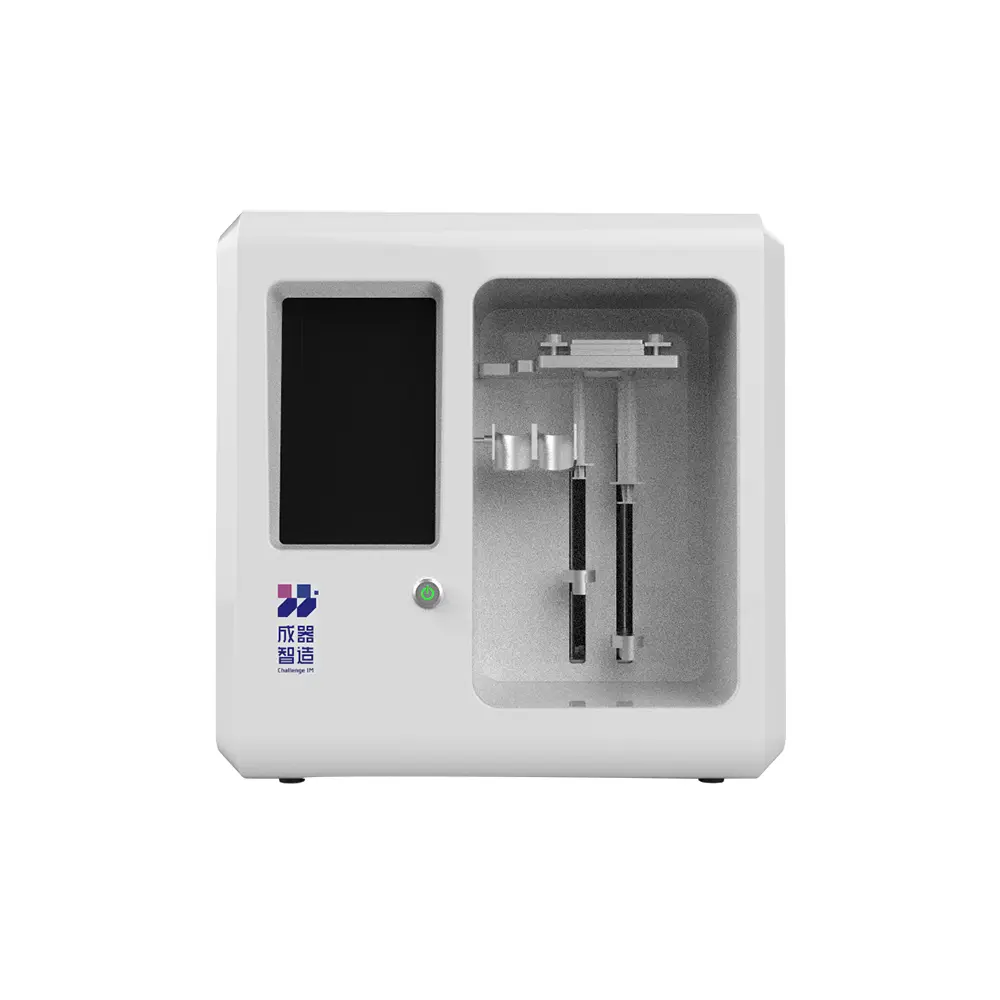 Microfluidics