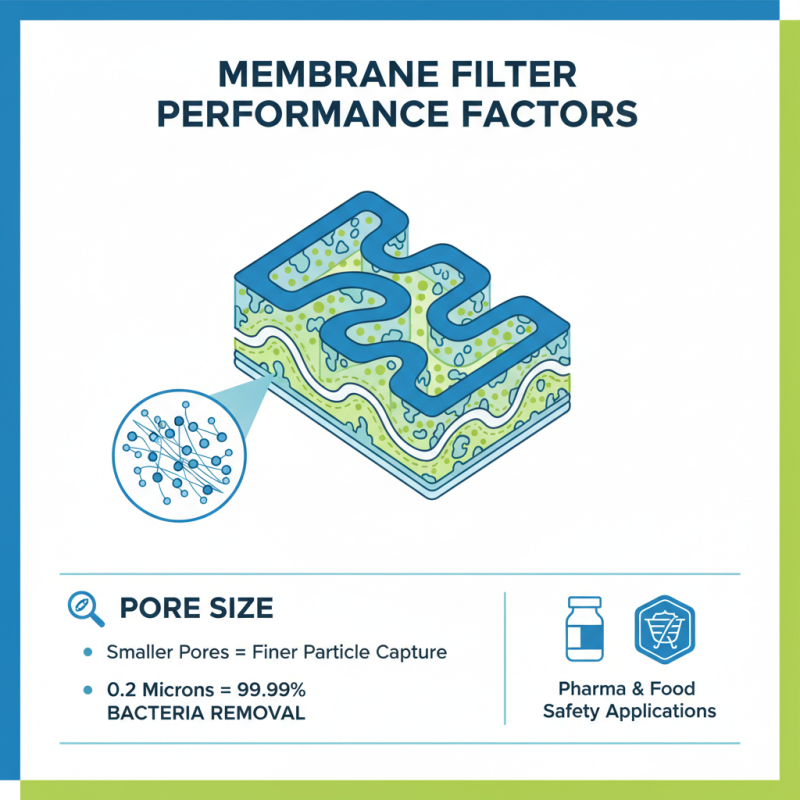
What is Membrane Filter and How Does it Work?
In the world of filtration technology, "Membrane Filter" stands out as a vital component. Dr. Emily Chen, a leading expert in membrane technology, emphasizes, "Membrane filters are essential for achieving high purity in various applications." This statement highlights their importance in sectors like water treatment and pharmaceuticals.
Membrane filters operate on a straightforward principle. They utilize semi-permeable membranes to separate particles from liquids or gases. As fluid passes through, unwanted substances are retained. This process is efficient and precise. Industries rely on membrane filtration for consistent quality and safety.
Despite their advantages, there are challenges. Regular maintenance is crucial to prevent blockage. Not all membranes are suitable for every application, making selection critical. Understanding these limitations can lead to better filtration outcomes. In the end, exploring membrane filters requires a blend of innovation and realistic expectations.
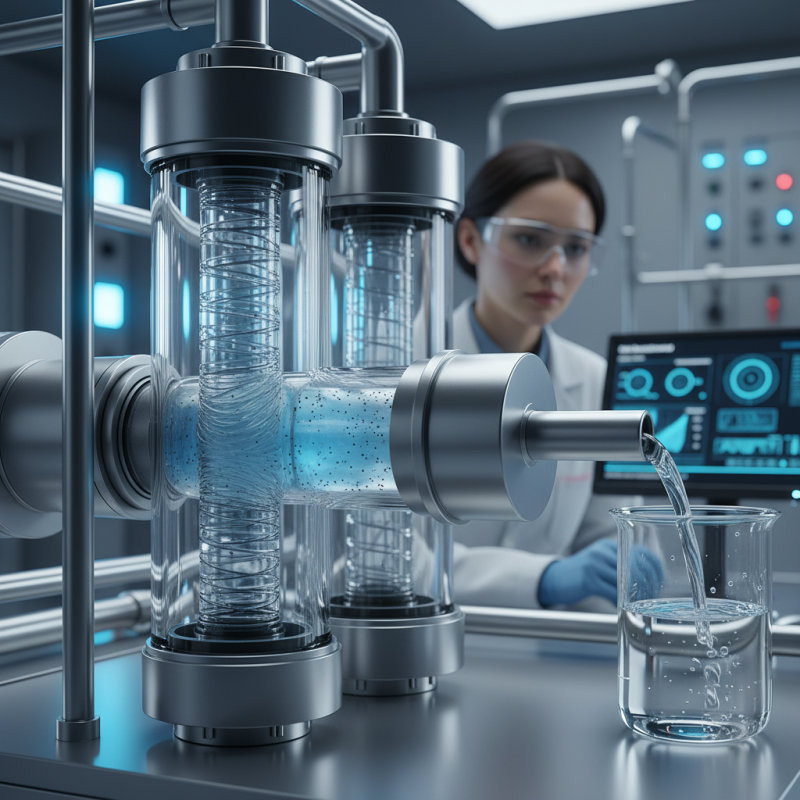
Definition and Overview of Membrane Filters
Membrane filters are critical tools in various industries, providing efficient separation and purification. These filters use a semi-permeable membrane to allow certain substances to pass while blocking others. A report from MarketsandMarkets suggests that the membrane filtration market is poised to grow significantly, reflecting its importance in sectors like water treatment and pharmaceuticals.
Membrane filters come in various types, including microfiltration, ultrafiltration, and nanofiltration. Each type has a specific application, from removing suspended solids to concentrating proteins. Microfiltration generally removes larger particles, while ultrafiltration can separate macromolecules. This versatility makes them vital in processes like water desalination and food processing.
Tip: When selecting a membrane filter, consider the intended application and the specific size of particles to be filtered.
Despite their efficiency, membrane filters can suffer from fouling and require regular maintenance. This can lead to increased costs and downtime. Staying proactive with cleaning and monitoring can help mitigate these issues.
Tip: Regularly check the flow rates and pressure drops across the membranes. This can indicate potential fouling before it becomes a significant problem.
In summary, understanding the role of membrane filters is essential for optimizing their use in diverse applications. Their ability to provide reliable separation makes them invaluable, but they demand careful management and attention.
Types of Membrane Filters and Their Applications
Membrane filters serve critical roles in various industries. There are several types, each designed for specific applications. Microfiltration, for instance, is used for water treatment. It removes bacteria and large particles efficiently. This method operates at pressures around 0.1 to 3 bar. It's cost-effective and straightforward.
Ultrafiltration is another type. This filter can separate smaller particles, like proteins. It's vital in food and beverage industries to ensure product purity. Operating at pressures between 1 to 10 bar, it retains nutrients while discarding unwanted substances. However, maintaining these systems requires diligence. Over time, membranes can clog, impacting efficiency.
Nanofiltration offers even finer separation. It targets small organic molecules and divalent ions. This technology finds relevance in wastewater treatment and dye removal. The challenge here is balancing performance and fouling rates. Each membrane filter type has its use cases, yet the need for regular maintenance cannot be overlooked. Understanding the unique features of these filters can lead to better implementation.
What is Membrane Filter and How Does it Work? - Types of Membrane Filters and Their Applications
| Type of Membrane Filter |
Pore Size (Microns) |
Common Applications |
Advantages |
| Microfiltration |
0.1 - 10 |
Water treatment, dairy processing, and beverage filtration |
Removes bacteria and suspended solids; low energy consumption |
| Ultrafiltration |
0.01 - 0.1 |
Wastewater treatment, food industry, and pharmaceutical applications |
Retains macromolecules; improves product stability |
| Nanofiltration |
0.001 - 0.01 |
Softening hard water, food processing, and dye removal |
Selective removal of divalent ions; retains color and odor |
| Reverse Osmosis |
< 0.001 |
Desalination, ultrapure water production, and wastewater treatment |
Removes most dissolved solids; high purity product |
Principles of Filtration: How Membrane Filters Work
Membrane filters are crucial in various industries for separating particles from liquids and gases. These filters utilize thin, semi-permeable membranes to allow selective passage of substances based on size or charge. The filtration process often involves microfiltration, ultrafiltration, nanofiltration, and reverse osmosis. Each process is tailored for specific applications, such as water purification, food processing, and pharmaceuticals.
The efficiency of membrane filters can vary significantly. According to a report from the International Water Association, microfiltration can remove particles as small as 0.1 microns with over 90% efficiency. Ultrafiltration can achieve even higher particle removal rates. However, one must consider that membrane fouling often occurs, impacting performance. Regular maintenance and cleaning are essential to sustain efficiency. Neglecting this can lead to increased operational costs and reduced lifespan of the system.
Understanding the principles of filtration is vital. Pressure pushes the liquid through the membrane, allowing desired substances to pass while retaining unwanted materials. However, the energy consumption involved in maintaining pressure can be significant. This aspect raises questions about the sustainability of using membrane technology, especially as industries seek greener solutions. More research is needed to improve energy efficiency while enhancing filter longevity. As industries rely on these technologies, balancing efficiency and sustainability remains a challenge.
Membrane Filter Efficiency Comparison
Maintenance and Care for Membrane Filters
Membrane filters play a vital role in various industries, yet their maintenance often gets overlooked. Regular care is necessary to ensure they operate effectively. Over time, particles can clog the membranes, reducing flow rates. This can lead to inefficient filtration and costly downtime. It’s crucial to develop a maintenance schedule that includes cleaning and inspecting the filters routinely.
Cleaning should involve appropriate solutions that do not damage the membrane surface. Improper cleaning can worsen performance. It’s also important to monitor flow rates and pressure differences regularly. Sudden changes might indicate a need for immediate attention. Proper storage of filters when not in use is another key aspect. Incorrect storage can lead to contamination or reduced lifespan.
Users sometimes neglect to replace membranes when needed. This oversight can impact the quality of filtered fluids. Keeping a log of maintenance activities helps track performance over time. It creates a history that reflects on the effectiveness of the maintenance strategy. Care and attention to details will lead to better overall results and longevity for membrane filters.


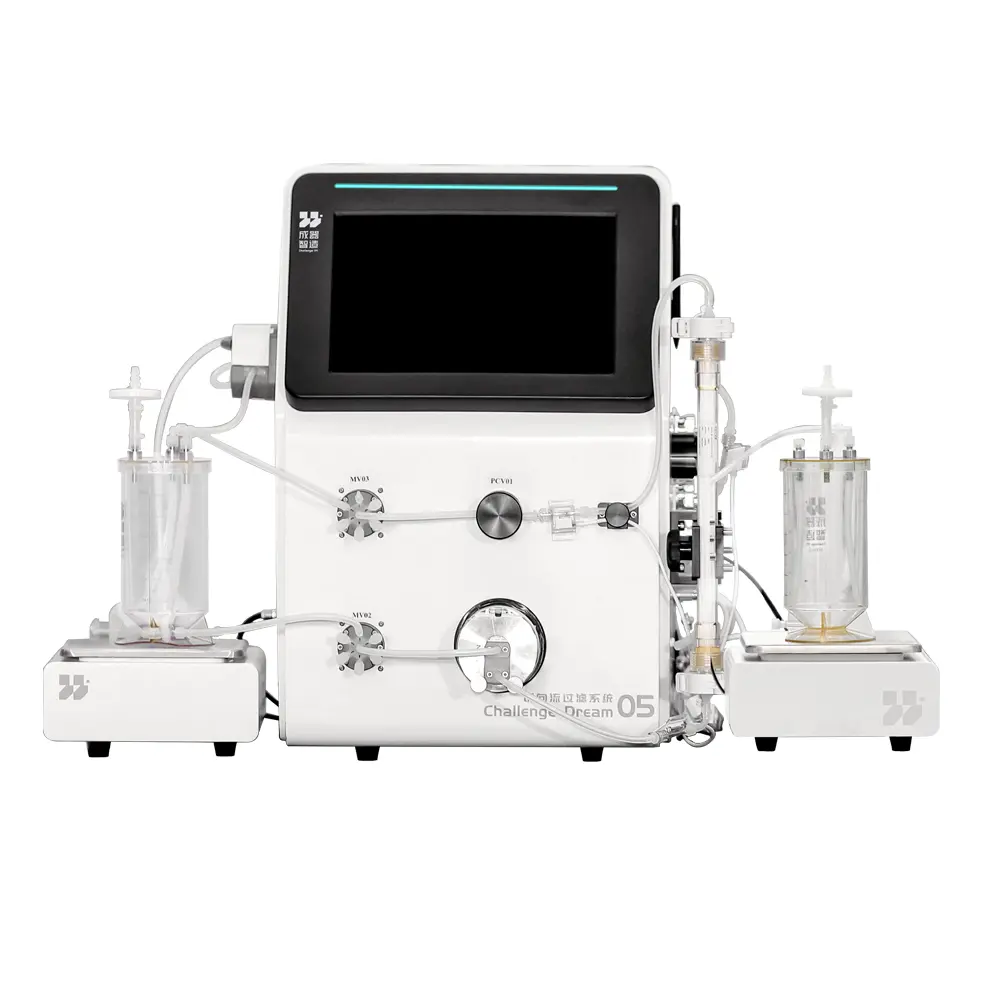 Tangential Flow Filtration(TFF) System
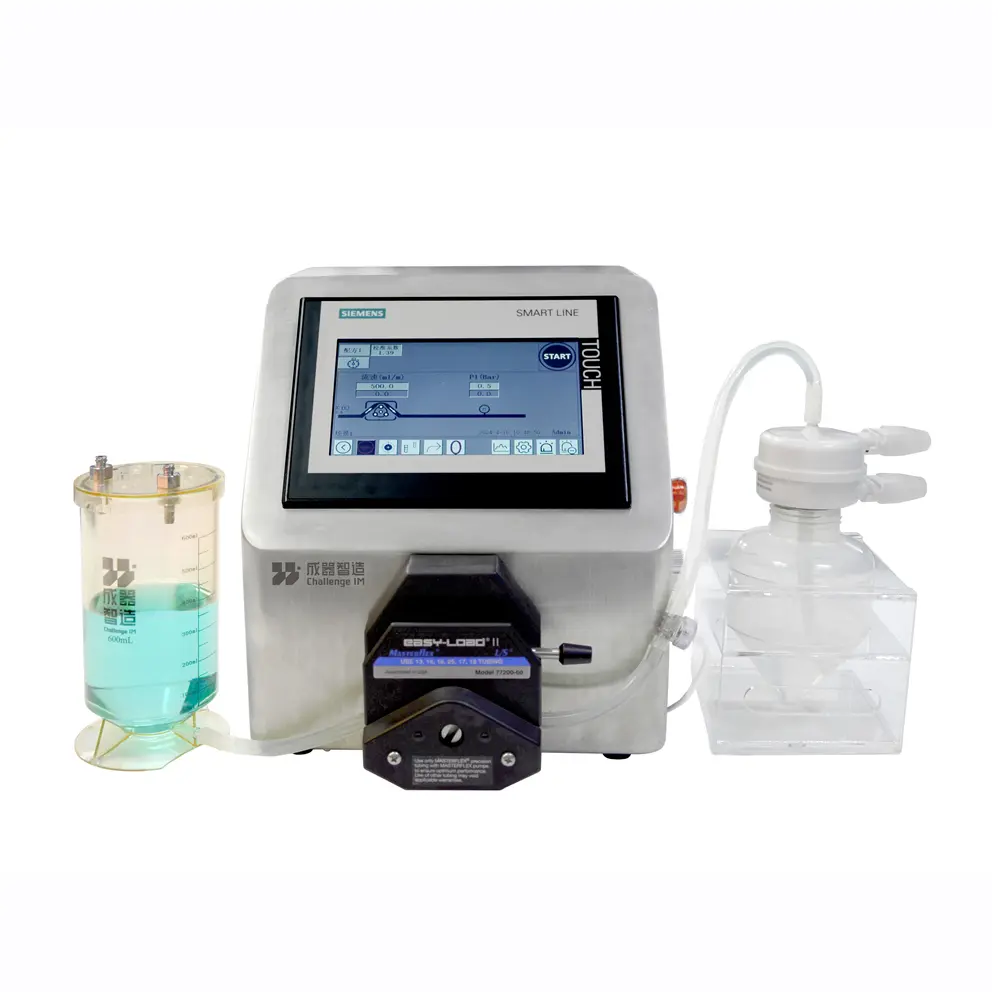 Jump Pump
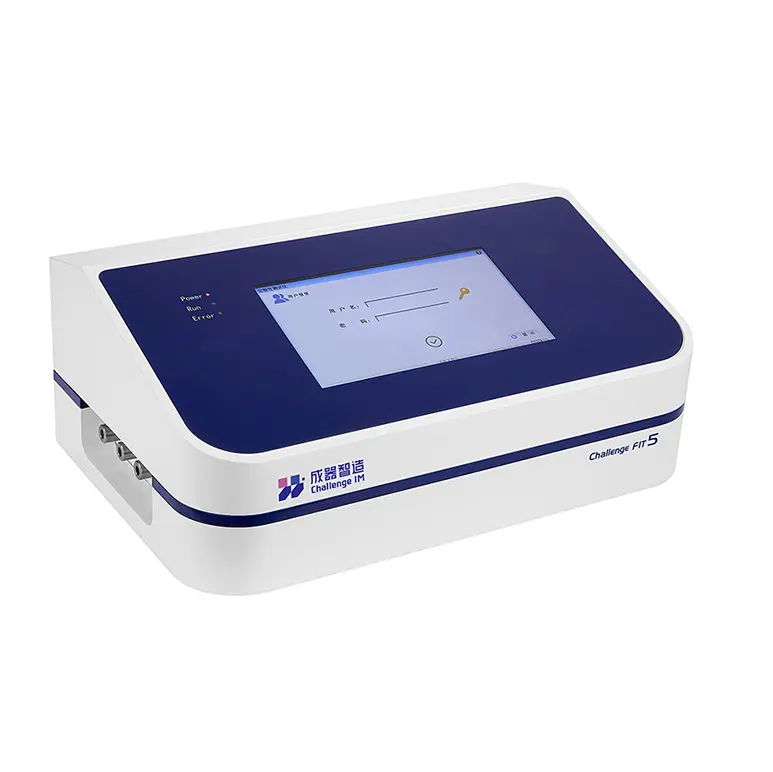 FIT Integrity Tester
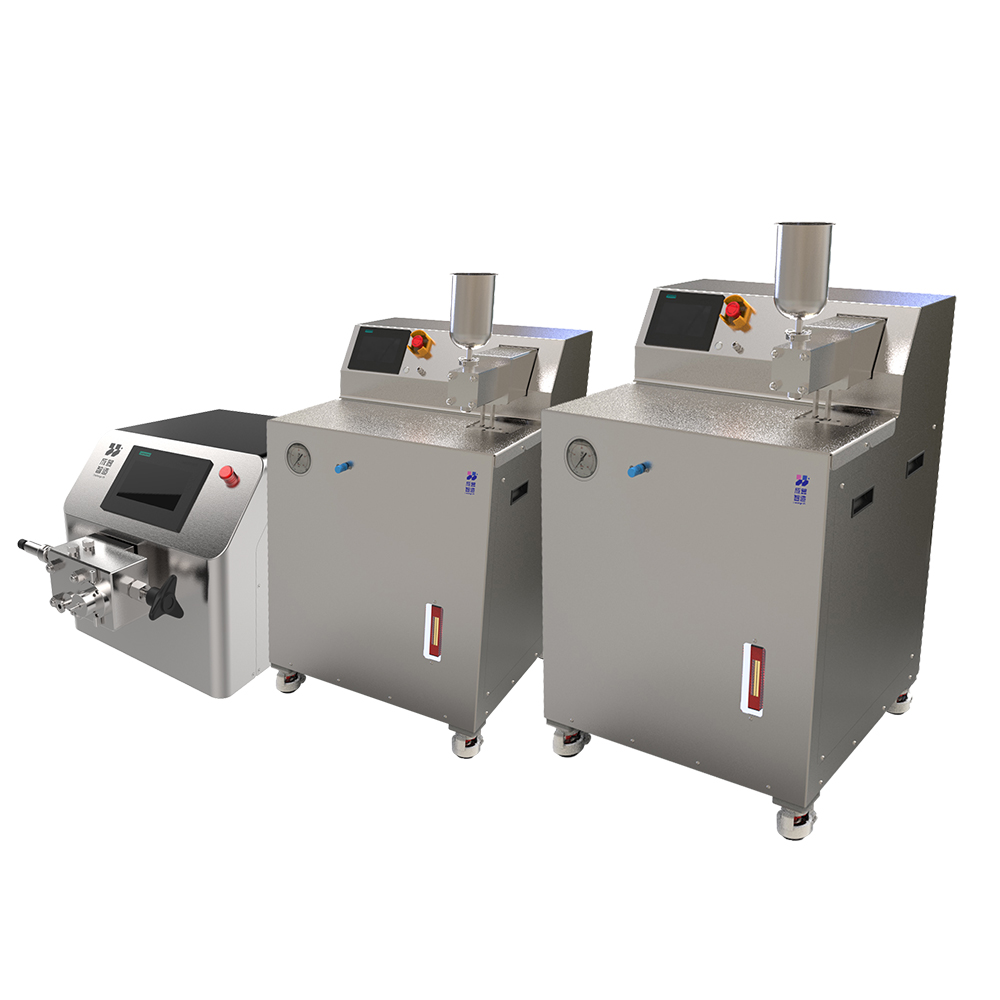 High Pressure Homogenizers
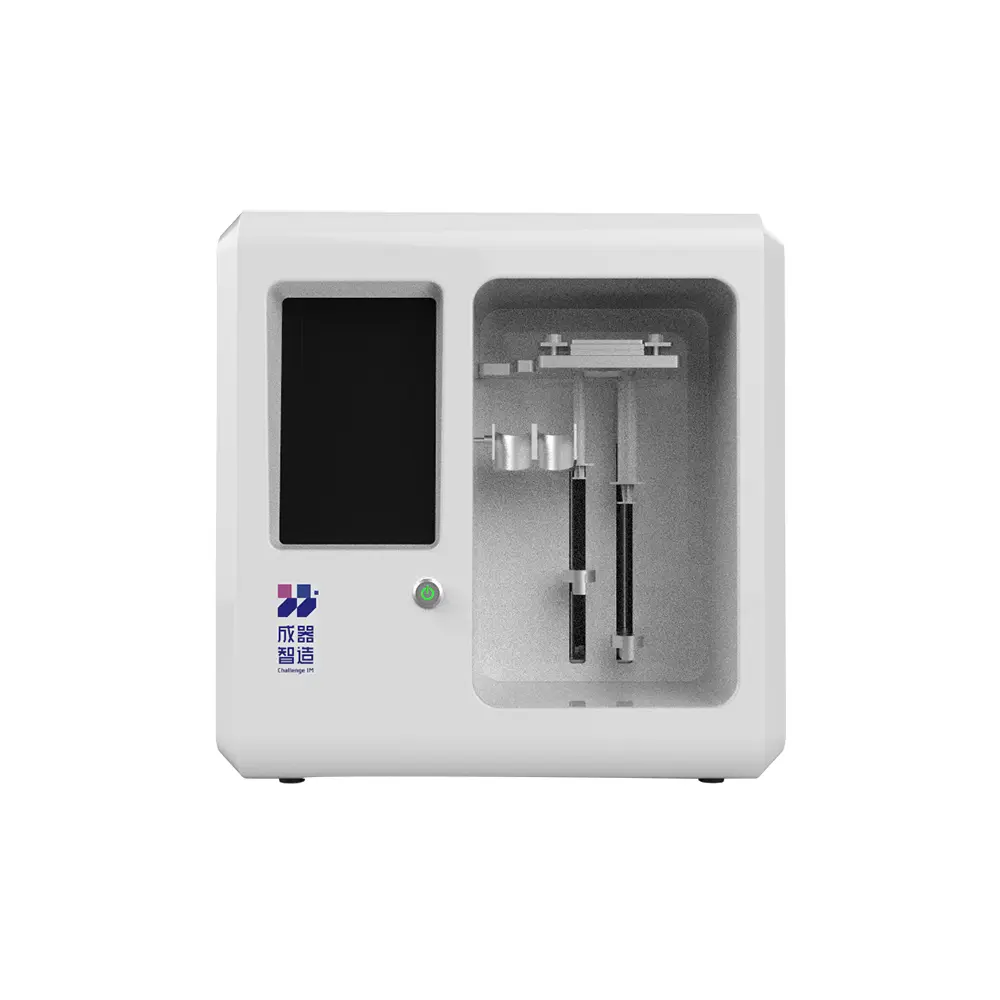 Microfluidics