Essential Tips for Choosing the Right Filter Bag for Your Needs?
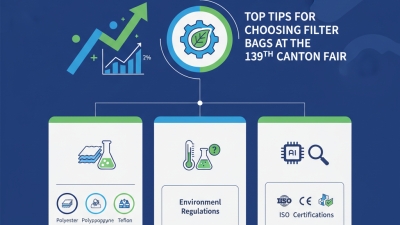
Choosing the right filter bag can greatly impact performance. Filter bags play a crucial role in various industries, from water treatment to food processing. However, many users overlook the importance of selecting the correct type.
The material and size of filter bags influence their effectiveness. Common options include nylon, polyester, and polypropylene. Each material has unique properties that suit different applications. For instance, a nylon bag performs well in high-temperature environments, while a polypropylene bag is excellent for chemical resistance.
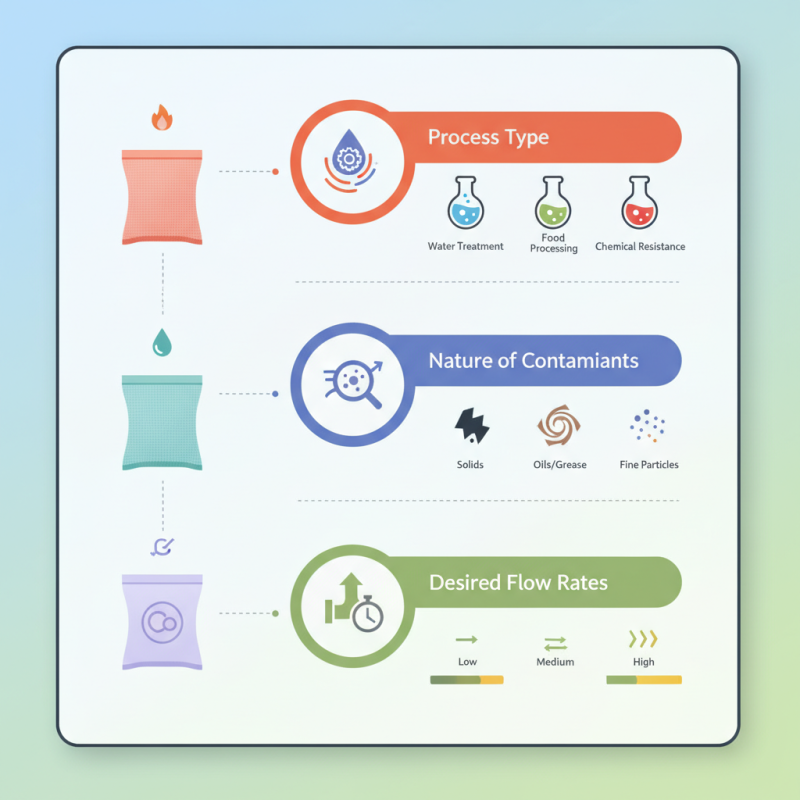
Often, users may opt for the cheapest option without considering their specific needs. This can lead to inefficiencies and increased operational costs. It is essential to evaluate your filtration requirements thoroughly. Assess your process type, the nature of contaminants, and the desired flow rates. Proper selection of a filter bag can not only improve efficiency but also prolong equipment life.
Understanding Filter Bags: Types and Applications
Filter bags are crucial for various applications, from industrial processes to air and water filtration. They come in different types, each designed for specific needs. Understanding these types is essential for making informed decisions. Fabric filter bags are popular due to their versatility. They can handle different particle sizes and are often used in baghouses.
Another common type is pleated filter bags. Their design increases surface area, improving filtration efficiency. These bags excel in capturing fine particles, making them ideal for challenging environments. However, they may require more frequent maintenance due to their complex structure.
Some applications need specialized materials, such as polyester or polypropylene. These bags resist chemical wear, ensuring longevity. Yet, materials can sometimes limit their effectiveness in extreme temperatures. It’s important to evaluate your specific requirements. Choosing the right filter bag can significantly improve performance but may require balancing factors like cost, durability, and efficiency.
Filter Bag Types and Their Applications
This bar chart illustrates the various types of filter bags and their applications across different industries. Each bar represents the percentage of use for each filter bag type. Polyester filter bags are the most widely used, suitable for a variety of filtration processes, while cotton bags are less common, primarily used in specific applications.
Key Considerations for Selecting the Right Filter Bag Material
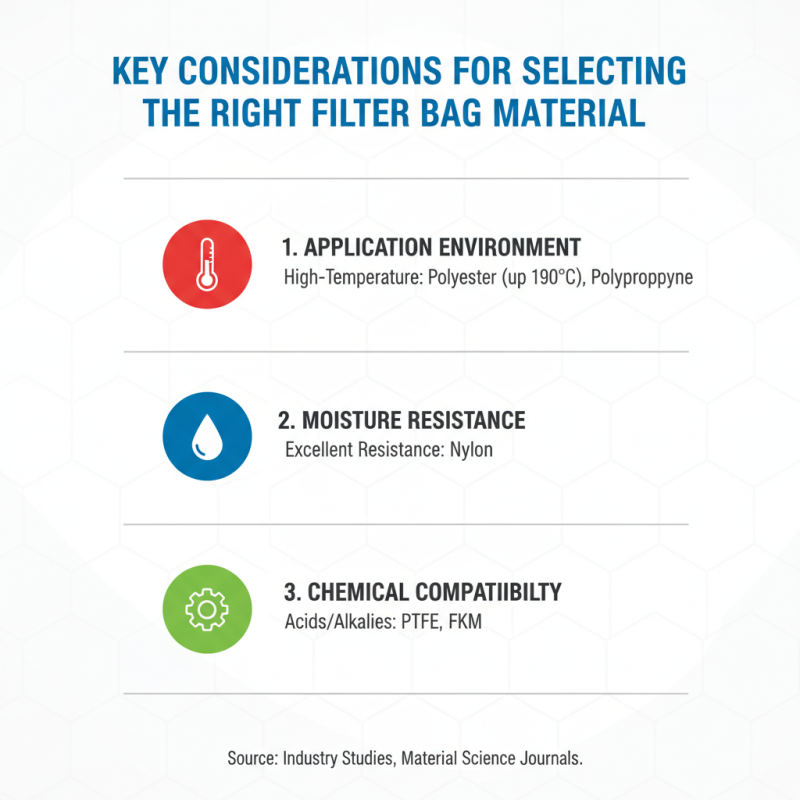
When selecting filter bag material, consider various factors to meet your needs. First, understand the application environment. For high-temperature settings, materials like polyester or polypropylene are crucial. Studies show polyester handles temperatures up to 190°C, maintaining structural integrity. If moisture is a concern, nylon offers excellent resistance.
Choose the right filtration efficiency to enhance performance. For instance, a bag with a micron rating of 1-10 microns is ideal for liquid filtration systems. Meanwhile, for air applications, a filter bag with an efficiency rating above 99% is often recommended. Data indicates that proper material selection can reduce operational costs by up to 30%, an impactful consideration for businesses.
Tips: Always review the compatibility of the filter bag material with the media. Think about operational requirements and maintenance procedures. Also, consider the length of the bag. A longer bag can provide a larger surface area, improving dirt-holding capacity and extending bag life. Investing time in these decisions is invaluable.
Sizing and Compatibility: Ensuring the Right Fit for Your System
When selecting a filter bag, sizing and compatibility are crucial. A filter bag that fits poorly can lead to inefficiencies. For instance, a study by the Filtration Society reports that improper sizing can reduce filtration effectiveness by up to 30%. This highlights the importance of accurate measurements.
Start by assessing your system’s specifications. Understanding the diameter and length of the filter bag is essential. Mismatched sizes can result in leaks or channeling. A well-fitted bag must also match the material and pore size suitable for your application, whether it’s liquid or air filtration. Industry data shows that nearly 25% of filtration problems stem from compatibility issues.
It’s also valuable to review your previous filter bag performance. Consider aspects like longevity and ease of replacement. Some users find that their current options fail to meet demands during peak operations. A simple yet effective approach is to trial multiple sizes and materials. Documenting performance variations can guide you in refining your filter bag choice. Remember, a thoughtful selection process can greatly enhance operational efficiency.
Evaluating Filter Bag Efficiency and Performance Metrics
When selecting a filter bag, evaluating its efficiency and performance metrics is crucial. One significant metric is the filtration efficiency, which often exceeds 99%. This efficiency indicates how well the filter bag captures contaminants. According to the Filtration and Separation Journal, the right filter bag can reduce particle emissions by 60% or more, contributing to cleaner air and better environmental health.
Another important factor is the pressure drop across the filter bag. A high-pressure drop can result in increased energy costs. It is essential to choose a filter bag that balances efficiency and pressure drop. Studies show optimal pressure drops should not exceed 5 inches of water column. This balance ensures effective filtration while maintaining energy efficiency.
Durability also plays a key role. For example, synthetic filter bags tend to last longer under harsh conditions compared to their natural counterparts. However, determining the right material depends heavily on the specific application. Not all filter bags perform equally in all environments. Regular monitoring of filter performance can highlight issues before they become critical. Understanding these metrics allows for informed decision-making.
Maintenance Tips for Prolonging the Life of Your Filter Bags
To extend the life of your filter bags, regular maintenance is crucial.
Inspecting the bags frequently can help identify wear and tear. Look for signs of damage, such as tears or holes.
Early detection can prevent further issues and additional costs.
Cleaning is another key aspect. Follow manufacturer guidelines to ensure proper cleaning techniques.
Some bags are washable, while others may require replacement after a certain period.
Pay attention to the cleaning frequency; over-cleaning can damage the fabric. It's a balancing act to maintain efficiency.
Storage also matters. Store clean filter bags in a dry, cool place to avoid moisture and mold.
Keep them away from direct sunlight, which can degrade materials.
Thoughtful storage can make a difference in their longevity. Reflect on your process and adjust as necessary.
Every small effort contributes to better performance and cost savings over time.


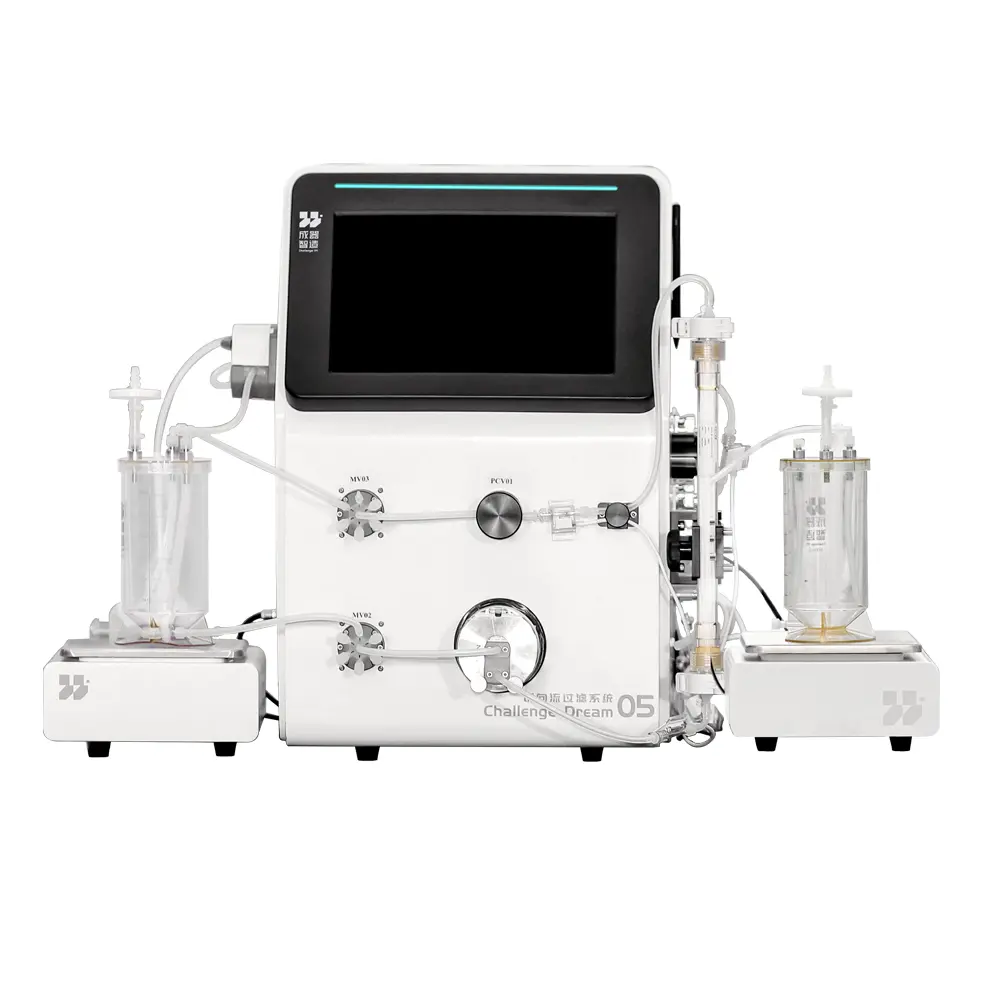 Tangential Flow Filtration(TFF) System
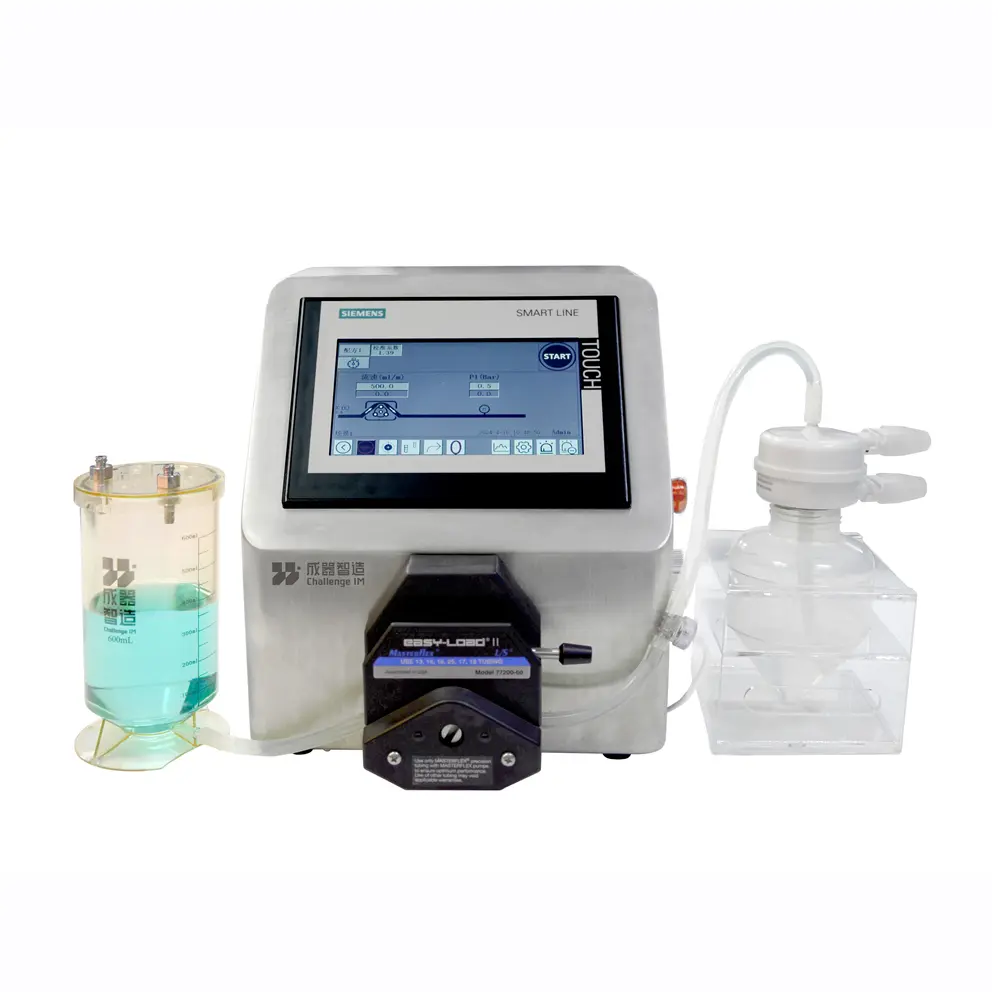 Jump Pump
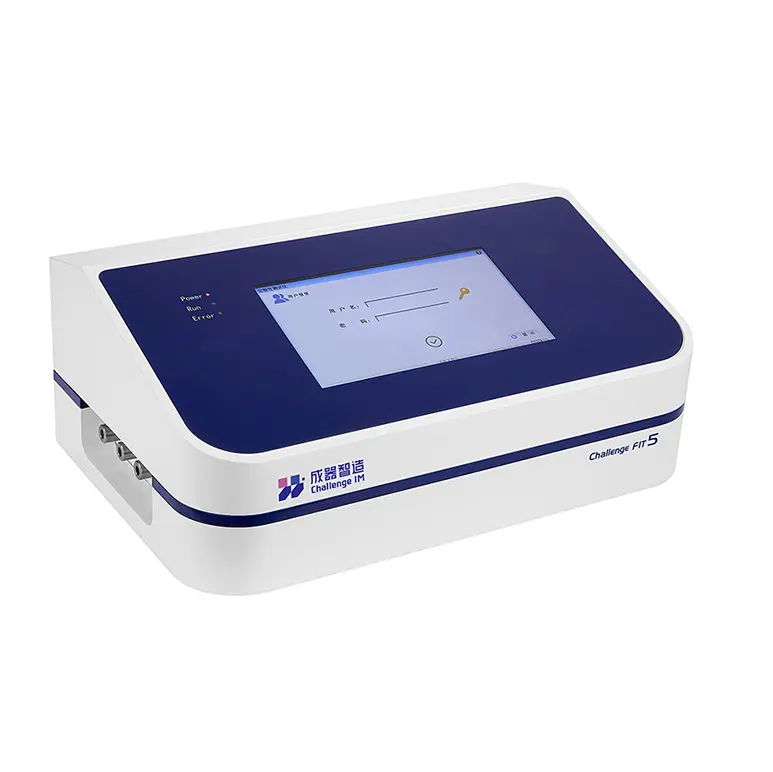 FIT Integrity Tester
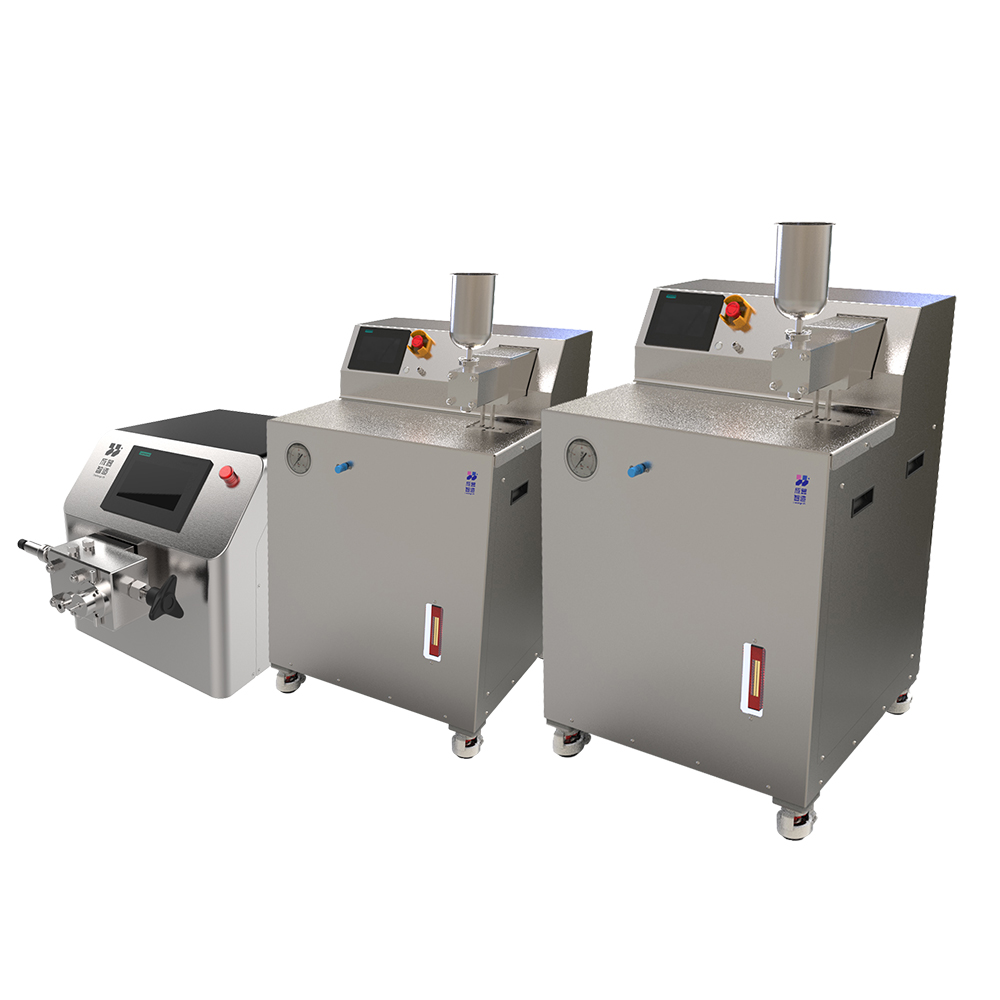 High Pressure Homogenizers
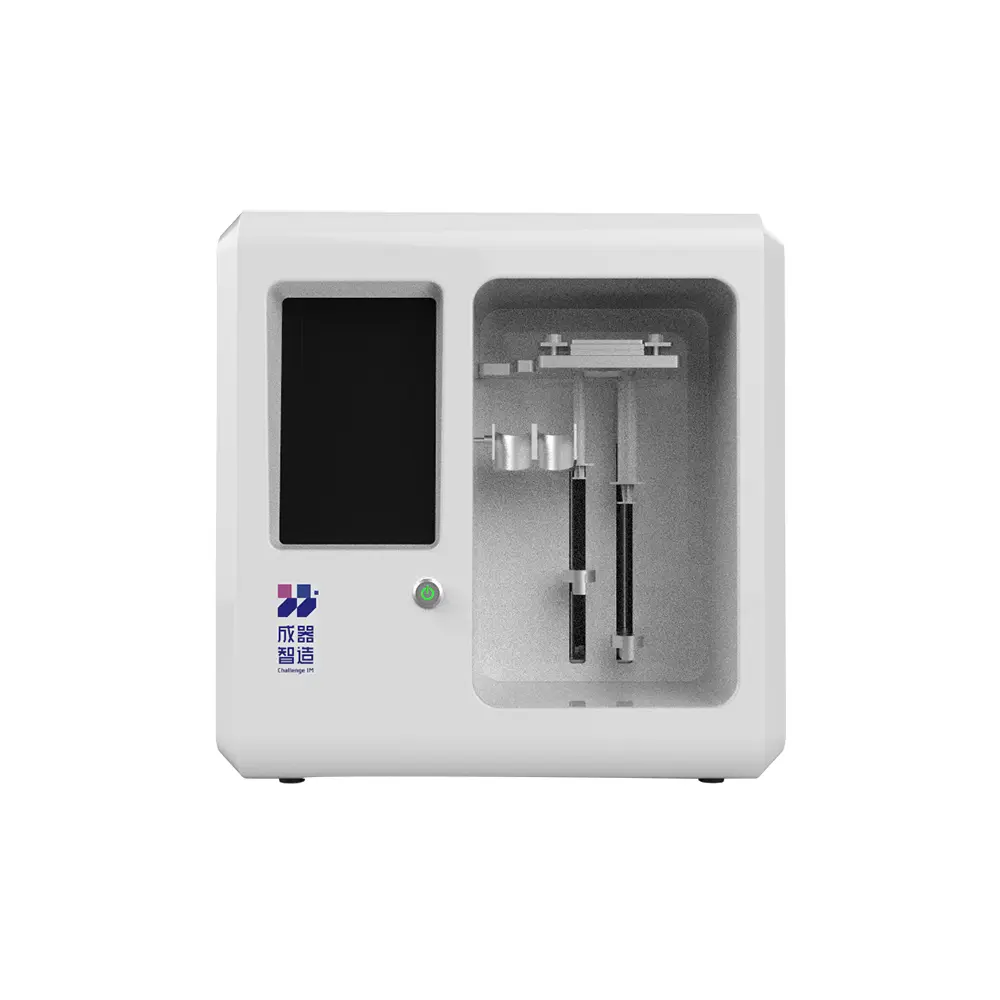 Microfluidics