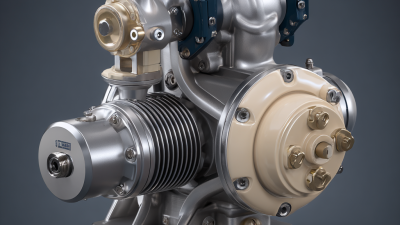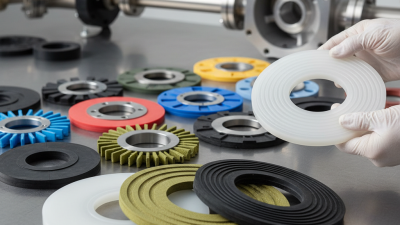
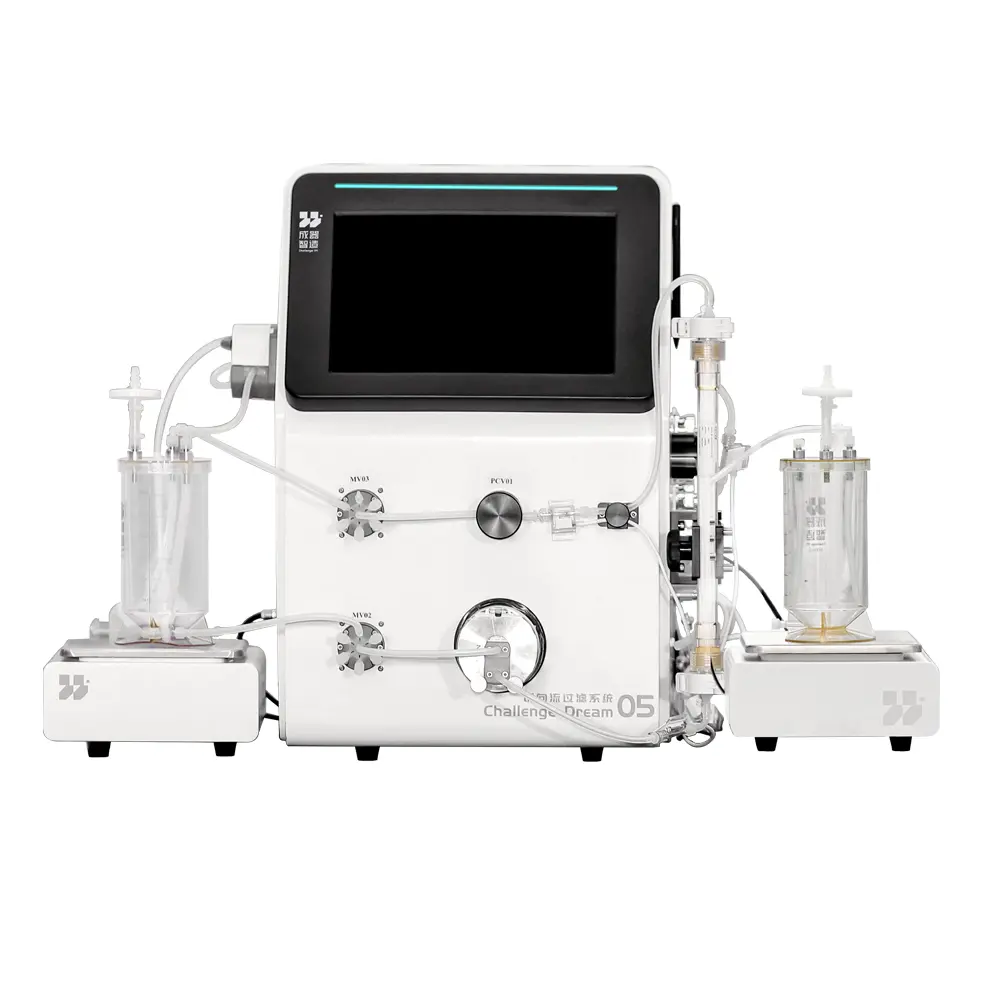
Selecting a Pump Diaphragm manufacturer is not just a price comparison. The diaphragm must suit the fluid, pressure, temperature, and duty cycle. A mismatch can mean swelling, cracking, leakage, or frequent replacement. Small details matter: elastomer compatibility, diaphragm geometry, test records, and spare-part availability.
Grand View Research’s Diaphragm Pump Market report tracks demand across sectors including water treatment, chemicals, and pharmaceuticals. That market context is useful, but it cannot confirm the quality of any individual supplier. Buyers still need to review product specifications, material traceability, quality systems, and documented performance under relevant operating conditions. Standards and certificates should be checked against the exact product, not assumed from a company-wide claim.
Reliability specialist Heinz P. Bloch is a recognized author on machinery reliability. His work supports a practical selection principle: assess failure risk and maintenance needs alongside initial cost. This is a paraphrase of his reliability perspective, not a direct quotation. The distinction matters.
This guide compares ten China-based manufacturers using visible criteria such as product range, materials, technical documentation, export experience, and service support. Company information can change, and published claims may not show how a diaphragm performs in your specific process. Treat the shortlist as a starting point. Request current datasheets, confirm the wetted materials, and ask how each supplier validates diaphragm life. A careful check now can prevent a costly shutdown later.
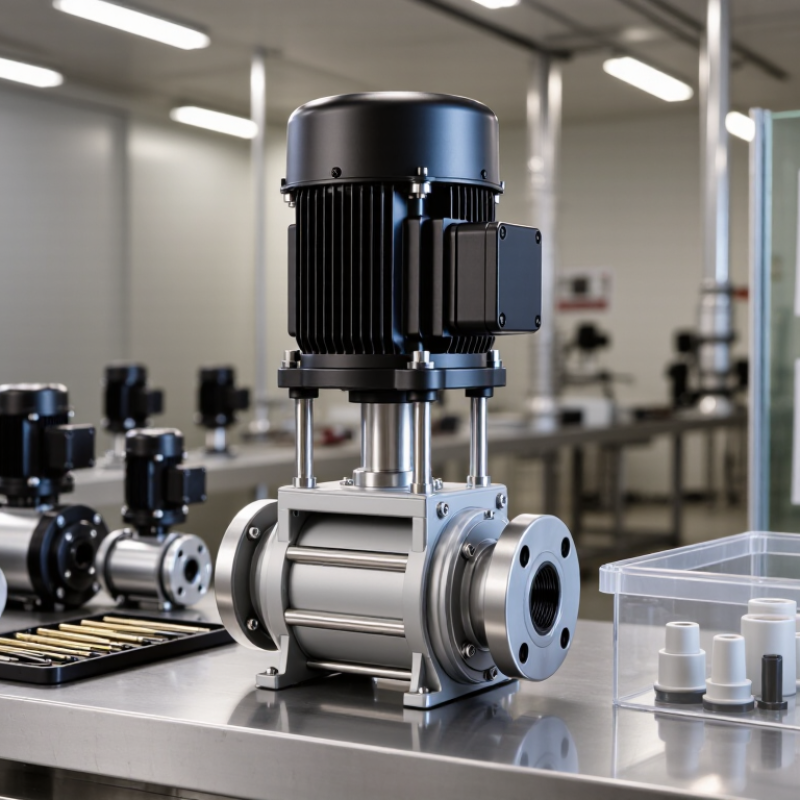
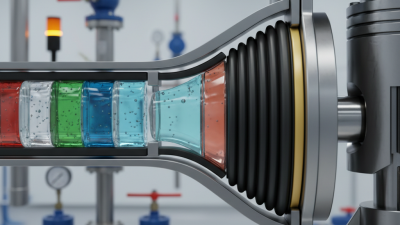
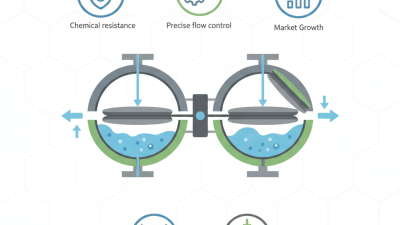
A pump diaphragm is a flexible barrier that separates the pumped liquid from the drive mechanism. In many metering and reciprocating pumps, its movement creates suction and discharge without letting process fluid enter the power chamber. That separation matters when handling corrosive liquids, suspended solids, or fluids that must remain contained.
Small details affect service life. A diaphragm may flex thousands of times per hour, while pressure changes and temperature shifts gradually stress its surface. Material selection should account for the actual fluid, operating temperature, pressure, and cleaning method. Compatibility charts are useful, but they cannot replace checking the pump’s operating limits. A material that resists one chemical may still wear quickly under abrasive particles. No universal choice exists.
Industrial uses include water treatment, chemical dosing, and fluid transfer in manufacturing. Operators can watch for slower flow, pulsing changes, leakage, or unusual residue near the pump head. These signs do not prove diaphragm failure; valves and seals can cause similar symptoms. Inspecting the wetted parts and recording cycle conditions helps narrow the cause. It is tempting to extend service intervals when output looks normal. That judgment can be wrong, especially when the pumped fluid is hazardous or costly. A practical maintenance plan uses inspection history, manufacturer limits, and the consequences of an unexpected stop.
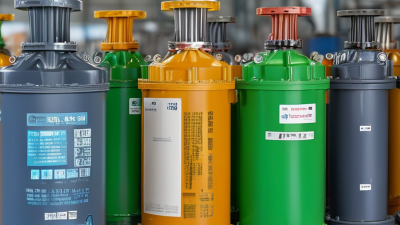
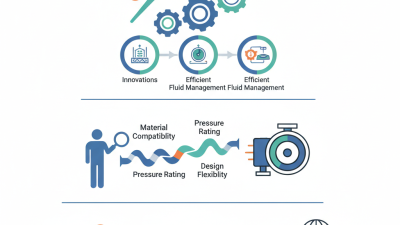
When evaluating pump diaphragm manufacturers in China, start with the operating conditions, not the catalog. Specify the pumped fluid, temperature, pressure, stroke rate, and expected service life. Small differences matter. Ask how the supplier selects elastomers or reinforced materials for those conditions. A diaphragm that fits perfectly may still fail early if the material is unsuitable.
Review technical documents and production controls. Request dimensional drawings, material specifications, inspection records, and batch traceability. Ask how molding, curing, and reinforcement are monitored. If possible, test samples under representative operating conditions and inspect them for cracking, swelling, or deformation. One sample is not proof of consistent production. Ask how results are recorded across multiple batches.
Check whether the manufacturer can explain its recommendations clearly and respond to technical questions with evidence. Discuss minimum order quantities, lead times, packaging, and procedures for handling defects before placing an order. A factory visit or independent inspection may help verify equipment and quality checks. Yet no checklist catches everything. Communication can be polished while details remain unclear, so confirm critical points in writing. Compare suppliers on documented capability and application fit, not price alone.
China Top 10 Pump Diaphragm Manufacturers
These ten profiles are practical comparison snapshots, not a verified ranking. Without audited company data, ranking suppliers would overstate certainty. Profile one focuses on molded rubber diaphragms for general fluid transfer. Profile two emphasizes fabric-reinforced designs for repeated flexing. Profile three offers material options suited to specific temperatures and fluids. Profile four highlights custom tooling and low-volume production. Ask for sample parts and material specifications.
Profile five centers on dosing pumps, where repeatable stroke performance matters. Profile six serves industrial equipment makers with varied diaphragm sizes. Profile seven emphasizes consistent molding and dimensional checks. Profile eight focuses on replacement parts and shorter production runs. Details matter. A smooth surface alone cannot prove reliable service; buyers should also review test methods, batch records, and operating limits.
Profile nine may provide engineering support for diaphragm geometry and pump compatibility. Profile ten may stand out through responsive communication and clear documentation. These descriptions outline capabilities to investigate, not confirmed claims about specific firms. Compare samples under realistic pressure, temperature, and chemical conditions. Check how suppliers handle failures and design changes. One gap remains: public product pages rarely reveal long-term service data, so independent testing can still be necessary.
When comparing China’s top 10 pump diaphragm manufacturers, product fit matters more than a long catalog. Check whether each supplier offers diaphragms in materials such as PTFE, EPDM, or other elastomers suited to the pumped fluid and operating temperature. Ask for dimensions, pressure limits, and replacement guidance. Small details matter. A diaphragm that fits poorly can wear unevenly or leak.
Quality claims need practical evidence. Look for material specifications, inspection records, batch identification, and documented testing. Ask how the supplier checks thickness and bonding, and whether sample parts can be evaluated before a larger order. A polished brochure is not proof. Still, a short test cannot predict every field condition, especially when fluid composition or cycling changes.
Service can separate similar products. Compare response times, technical support, spare-part availability, and the clarity of installation instructions. A useful supplier asks about pump model, duty cycle, and process conditions before recommending a diaphragm. Some comparisons remain imperfect: public information may be limited, and quoted lead times can change. Request written details, then compare the same requirements across manufacturers.
Suggested evaluation weights: product range 40%, quality assurance 35%, and service support 25%. These are editorial framework weights, not measured company results or a market survey. Apply the same criteria to each manufacturer and verify details against current product documentation and service information.
Choosing a Chinese pump diaphragm manufacturer starts with the actual duty, not a catalogue headline. Define the fluid, temperature, required flow, discharge pressure, operating hours, and acceptable maintenance interval. Then check diaphragm and valve materials against the fluid, and ask for documented flow and pressure tests. Small details matter. A mismatch in elastomer, for example, can shorten service life even when the pump’s rated capacity looks suitable.
The U.S. Department of Energy’s Improving Pumping System Performance: A Sourcebook for Industry reports that pumping systems use nearly 20% of global electricity demand; in some industrial facilities, they account for 25–50% of energy use. This is not a diaphragm-pump benchmark, but it highlights why efficiency and operating conditions deserve scrutiny. Request test methods, material traceability, inspection records, spare-parts lead times, and clear warranty terms. If possible, compare a production sample with your own fluid and operating cycle. A supplier’s response to technical questions can be revealing, though it is not proof of consistent production quality. I would also verify that quoted performance includes realistic operating conditions, not just a best-case figure.
The table below is an anonymized sourcing guide, not a verified ranking of individual companies. It summarizes common diaphragm-pump supplier capabilities and technical checks; actual product availability and performance vary by manufacturer and model.
| No. | Supplier Capability Area | Typical Product Focus | Diaphragm Materials to Ask About | Key Selection Checks | Useful Documentation |
|---|---|---|---|---|---|
| 1 | Air-operated double-diaphragm (AODD) pumps | Transfer of liquids using compressed air to drive alternating diaphragms. | Common options include elastomers such as NBR, EPDM, and PTFE-faced constructions; confirm the exact design. | Check flow and pressure at the stated air supply, solids passage, wetted materials, and air consumption. | Performance curves, materials list, dimensional drawing, and applicable test reports. |
| 2 | Chemical-duty pump assemblies | Pumps configured for handling specified corrosive or reactive liquids. | PTFE and selected elastomers may be offered; compatibility depends on the chemical, concentration, and temperature. | Verify the complete wetted path, including diaphragm, casing, valve balls, seats, and seals. | Written chemical-compatibility confirmation and material traceability where required. |
| 3 | Metering and dosing pump components | Diaphragm assemblies for controlled delivery of measured liquid volumes. | Material selection is model-specific; PTFE-faced diaphragms are used in some designs. | Ask for dosing accuracy conditions, pressure limits, stroke range, and expected service life. | Calibration procedure, operating manual, and model-specific performance data. |
| 4 | Hydraulically actuated diaphragm pumps | Process pumping designs where hydraulic actuation moves the process diaphragm. | Ask for the specified diaphragm construction and its compatibility with the pumped fluid. | Confirm rated pressure, pulsation behavior, overpressure protection, and operating limits. | Pressure test records, sectional drawings, and maintenance instructions. |
| 5 | Replacement diaphragm and spare-parts supply | Replacement parts matched to a pump model or verified sample. | May include NBR, EPDM, FKM, or PTFE-based options, subject to the original design. | Match dimensions, bolt pattern, thickness, material, and operating conditions before ordering. | Part drawings, sample inspection report, and revision-controlled part number. |
| 6 | Food and sanitary process equipment | Pump configurations intended for hygienic or cleanable process applications. | Material suitability must be established for the product, cleaning method, and process temperature. | Check surface finish, drainability, clean-in-place requirements, and elastomer approvals for the target market. | Applicable food-contact declarations, material certificates, and cleaning guidance. |
| 7 | Wastewater and slurry handling | Pumps configured for fluids that may contain suspended solids or abrasive particles. | Elastomer choice depends on fluid chemistry, temperature, and abrasion conditions. | Confirm maximum particle size, solids concentration, valve design, and wear-part availability. | Solids-handling test information, maintenance schedule, and recommended spare-parts list. |
| 8 | High-temperature or specialist-fluid service | Custom configurations for defined temperature or fluid requirements. | FKM, EPDM, PTFE, and other constructions have different compatibility limits; no material suits every fluid. | Provide the fluid name, concentration, temperature range, pressure, and cleaning chemicals for review. | Written operating envelope, material declarations, and validation test results. |
| 9 | OEM and custom-engineered supply | Private-specification manufacturing or adaptations for an existing equipment design. | Material and geometry are agreed against drawings, samples, and operating requirements. | Assess drawing control, change notification, minimum order quantities, and sample approval process. | Approved drawings, inspection plan, batch records, and written change-control terms. |
| 10 | Export-ready pump and diaphragm supply | Products supplied with documentation and packaging for international shipment. | Specify the required diaphragm material and verify it against the application before purchase. | Check destination-market requirements, warranty terms, lead time, packaging, and after-sales support. | Commercial invoice, packing list, product documentation, and only applicable conformity certificates. |
Material compatibility is application-specific. Confirm the complete wetted-material specification and operating limits with the supplier before selecting or installing a pump.