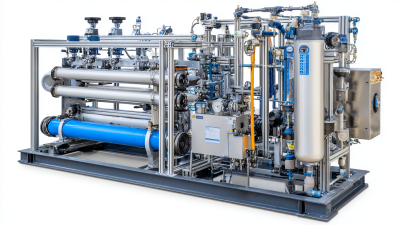
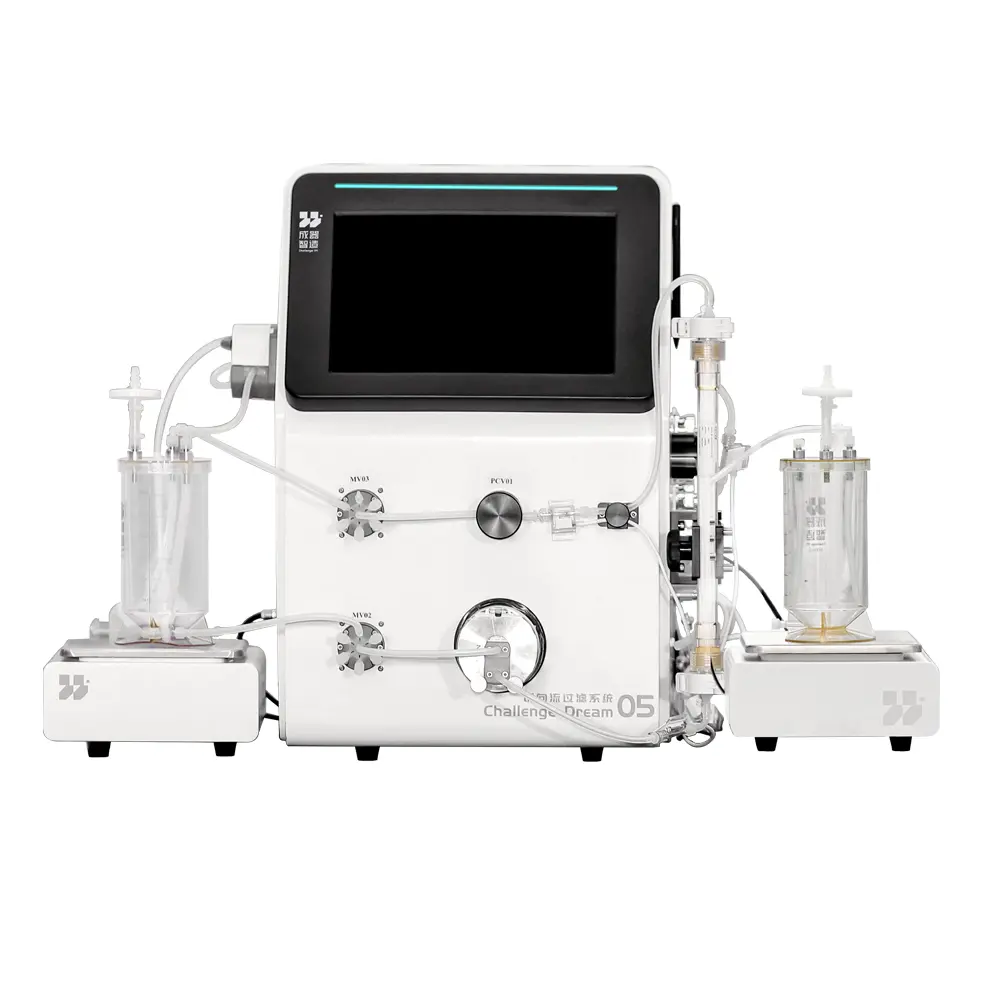
 Tangential Flow Filtration(TFF) System
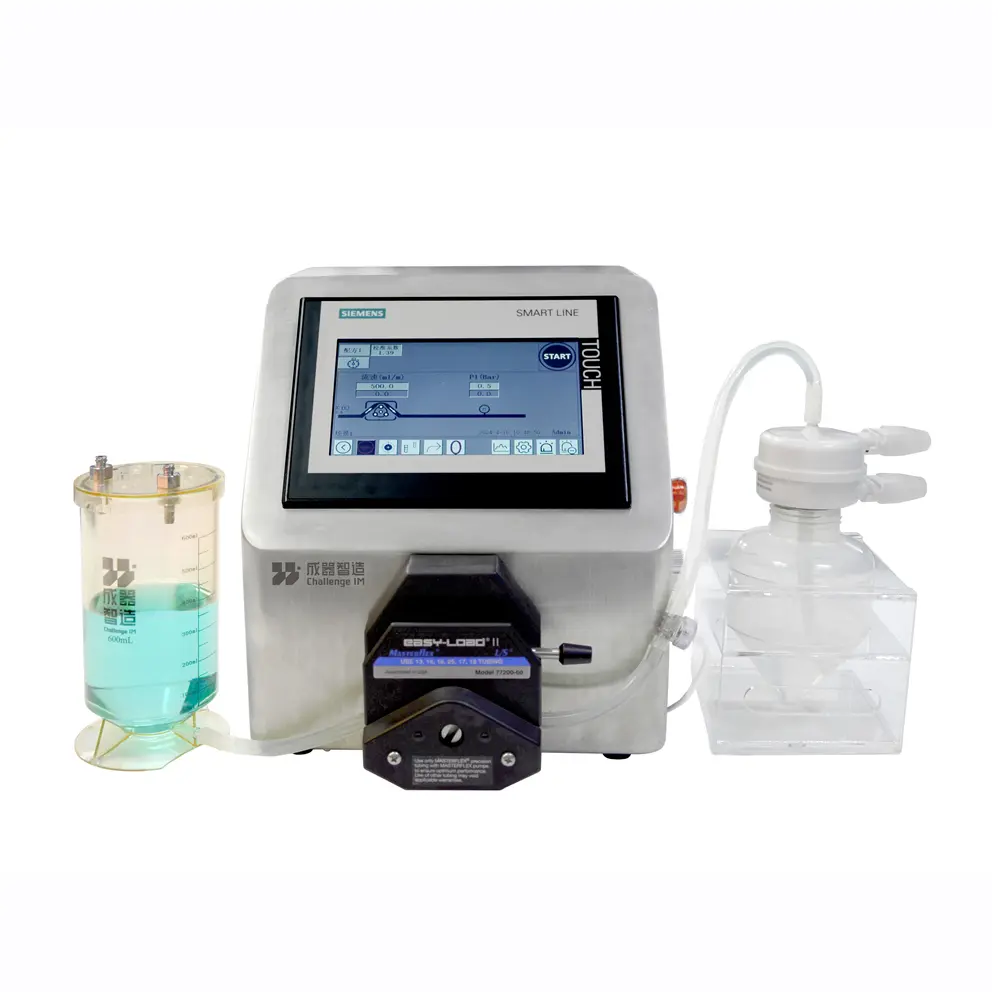 Jump Pump
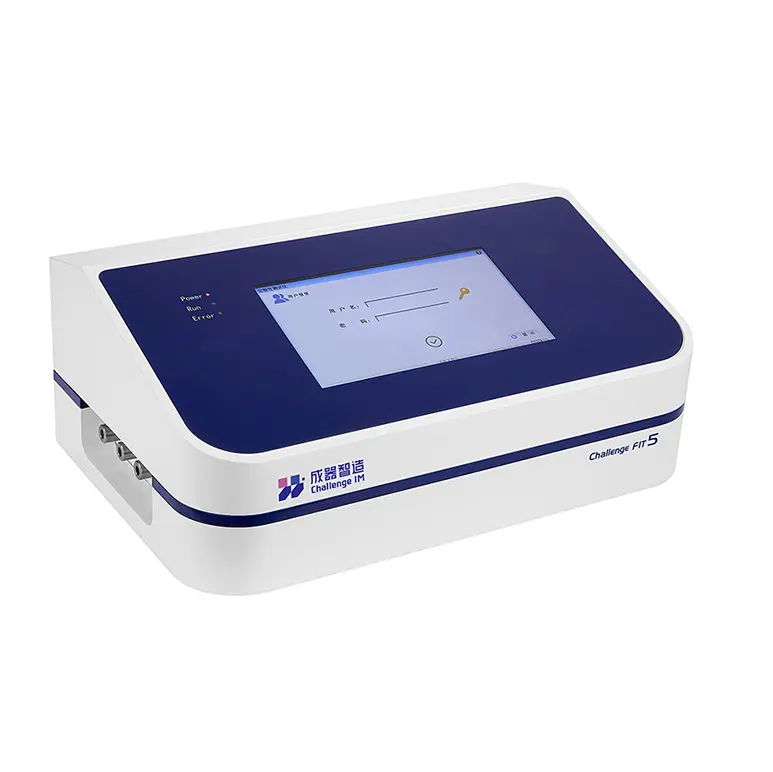 FIT Integrity Tester
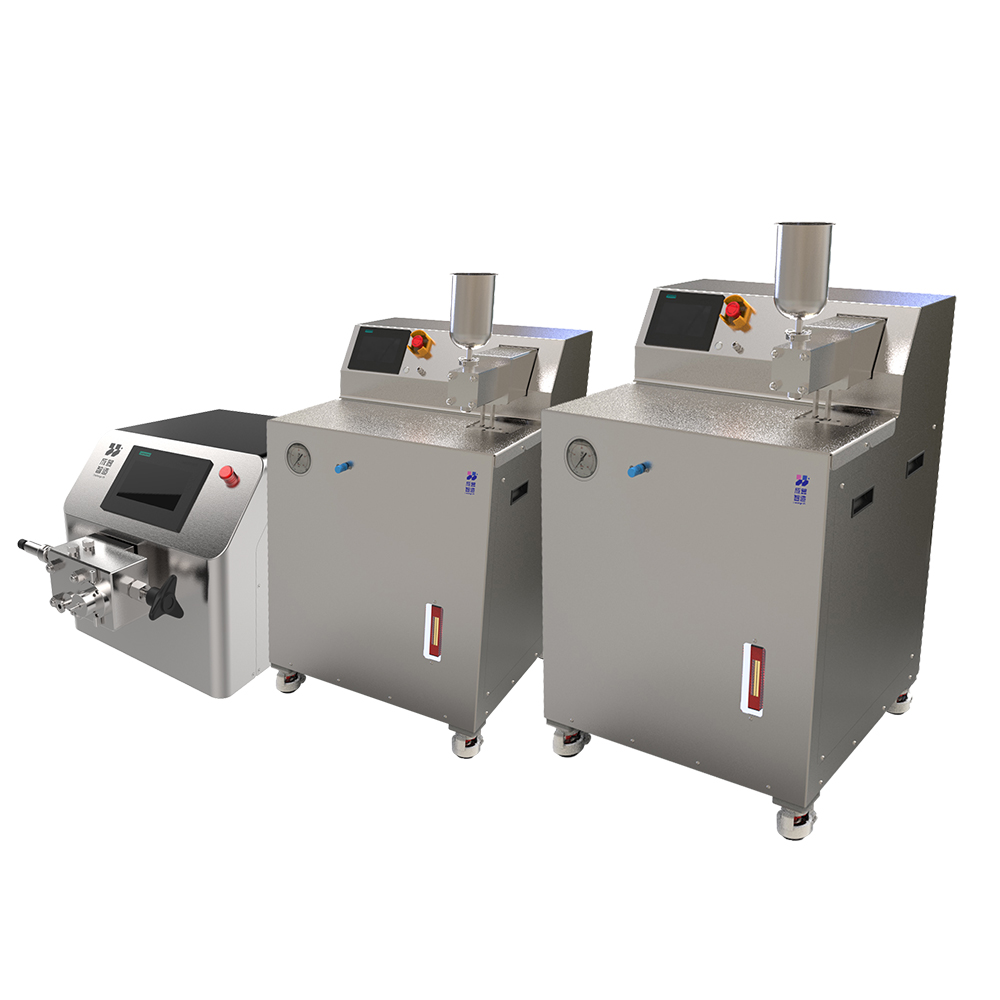 High Pressure Homogenizers
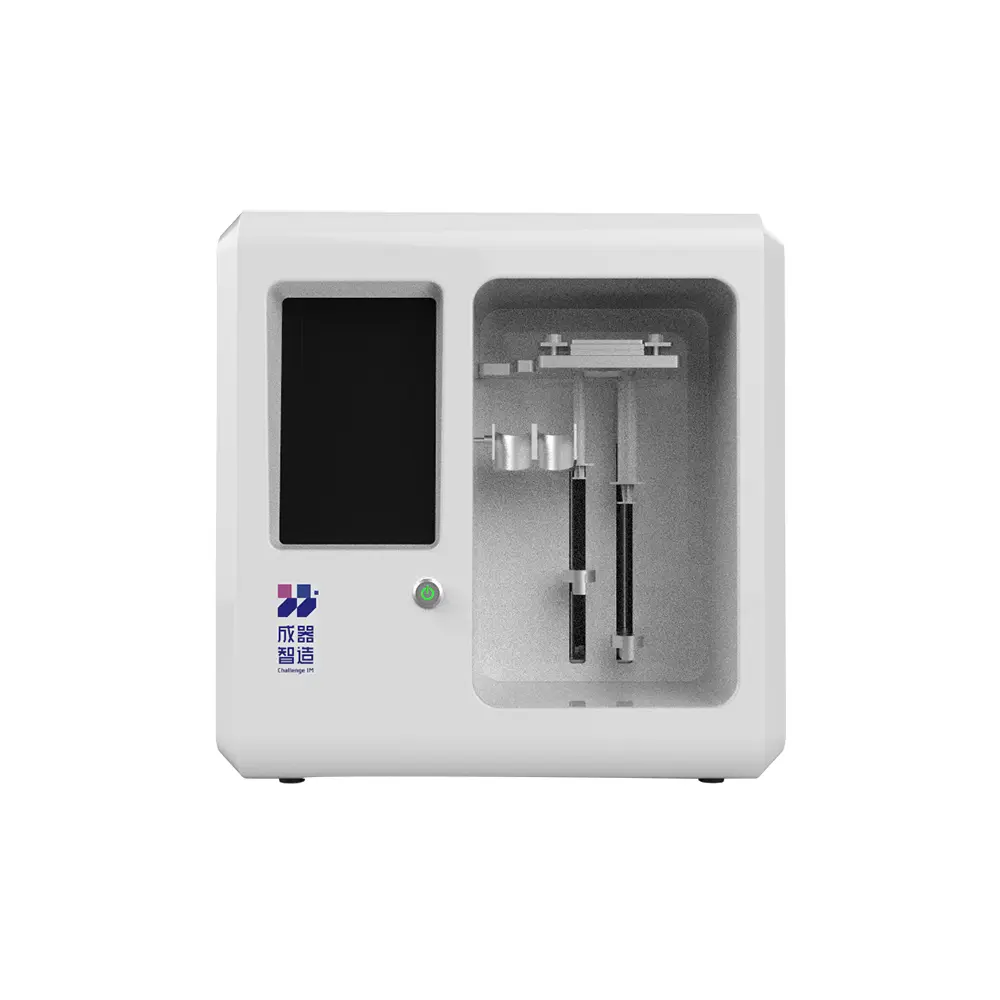 Microfluidics
 Leave Your Message


China has become a significant source of industrial membrane technology, including advanced Nanofiltration Filter systems. Manufacturers now serve water treatment, food processing, pharmaceuticals, electronics, and chemical production. Their products may remove hardness ions, color, pesticides, and selected organic compounds while allowing some minerals to pass.
Choosing among Chinese suppliers requires more than comparing prices or catalog photographs. A reliable evaluation should examine membrane material, operating pressure, salt rejection, flux, housing design, and cleaning procedures. Factory certifications, laboratory data, export experience, and after-sales support also deserve close attention. A supplier with transparent test conditions is usually more credible than one offering impressive numbers without context.
This guide reviews leading Nanofiltration Filter suppliers in China through practical purchasing criteria. It considers manufacturing capability, customization, quality control, application knowledge, and international service. Some suppliers focus on compact residential systems. Others build skid-mounted equipment with stainless-steel piping, monitoring instruments, and automated controls. The best choice depends on feedwater chemistry, daily capacity, temperature, and maintenance expectations.
Real projects can be less predictable. Published rejection rates may change with pressure, pH, and membrane aging. A polished website is not proof of consistent production. Buyers should request recent test reports, sample evaluations, factory evidence, and clear warranty terms before signing contracts. This article does not treat every supplier as equally suitable. Instead, it offers a careful starting point for identifying capable partners and avoiding costly assumptions.
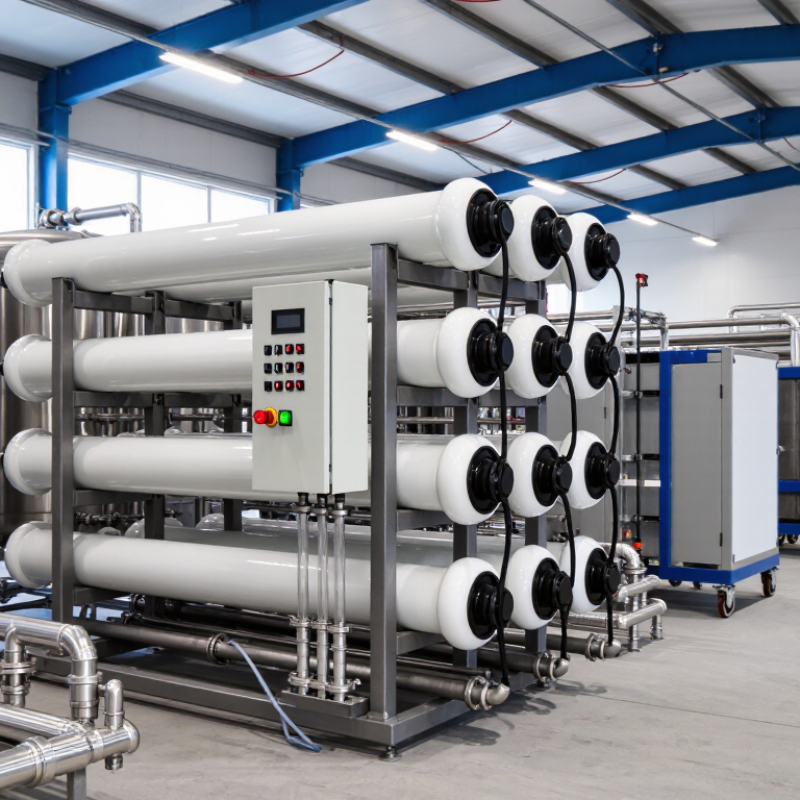
Nanofiltration uses pressure to push water through membranes with nanoscale pores. It sits between ultrafiltration and reverse osmosis. The process removes many divalent ions, color compounds, pesticides, and organic molecules. Monovalent salts may pass more easily. That balance can reduce energy demand compared with tighter desalination systems.
Its uses are practical and varied. Municipal plants apply it to soften drinking water and reduce natural organic matter. Food processors use it for whey concentration, sugar treatment, and color control. Textile facilities can recover process water and separate dyes. According to FAO AQUASTAT, agriculture accounts for about 70% of global freshwater withdrawals. This makes selective water reuse increasingly important. MarketsandMarkets estimated the global nanofiltration market at about USD 1.0 billion in 2023, with continued growth through 2028. Report boundaries differ, however. That detail deserves caution.
Tips: When comparing Chinese suppliers, request pilot-test data, membrane flux, salt-rejection results, cleaning limits, and tested water chemistry. Ask for independent laboratory reports, not only catalog figures. Check performance after fouling cycles. Real plants are less tidy. Temperature, suspended solids, and organic loading can change results quickly. A supplier with strong documentation may be safer than one offering the lowest initial price. WHO drinking-water guidance and local discharge requirements should shape the final specification.
| Category | Technical Dimension | Typical Data or Range | Why It Matters When Evaluating a Supplier |
|---|---|---|---|
| Membrane fundamentals | Approximate pore size | Approximately 0.5–2 nanometres | Helps distinguish nanofiltration from larger-pore ultrafiltration and tighter reverse osmosis. |
| Membrane fundamentals | Typical molecular weight cut-off | Approximately 200–1,000 daltons, depending on membrane type | Indicates the approximate size range of dissolved organic molecules that can be retained. |
| Separation performance | Divalent-ion rejection | Often above 90% for calcium and sulfate under suitable operating conditions | Useful for water softening, sulfate reduction and partial demineralization. |
| Separation performance | Monovalent-ion rejection | Variable; commonly about 20–80% depending on membrane chemistry and feed conditions | Shows that nanofiltration generally removes less sodium chloride than reverse osmosis. |
| Operating conditions | Typical operating pressure | Approximately 5–25 bar, subject to feed salinity and membrane design | Affects pump selection, energy consumption, system cost and permeate production. |
| Operating conditions | Typical permeate flux | Approximately 10–40 litres per square metre per hour in many water-treatment applications | Provides a practical basis for estimating membrane area and equipment footprint. |
| Operating conditions | Typical single-stage recovery | Approximately 70–90%, depending on concentration and scaling risk | Higher recovery reduces wastewater volume but can increase fouling and mineral scaling. |
| Water-treatment applications | Municipal drinking-water treatment | Removal of hardness, color, natural organic matter and selected micropollutants | Supplier designs should include pretreatment for turbidity, suspended solids and organic fouling control. |
| Water-treatment applications | Industrial process-water treatment | Partial demineralization, boiler-feed pretreatment and reuse-water polishing | The system should be matched to feed conductivity, temperature, pH and chemical exposure. |
| Water-treatment applications | Textile and dye wastewater | Reduction of color, multivalent salts and selected organic compounds | Pilot testing is important because dye composition and fouling potential vary widely. |
| Water-treatment applications | Food, beverage and dairy processing | Concentration or fractionation of sugars, proteins, organic acids and salts | Food-contact materials, hygienic design and clean-in-place compatibility must be verified. |
| Supplier evaluation | Membrane configuration | Common formats include spiral-wound elements, flat sheets and tubular modules | Configuration determines cleaning access, packing density, replacement method and scalability. |
| Supplier evaluation | Pretreatment requirements | Usually includes suspended-solids removal, cartridge filtration and scale-control measures | Effective pretreatment is essential for stable flux and longer membrane service life. |
| Supplier evaluation | Chemical and temperature tolerance | Common membrane limits are application-specific; many systems operate near ambient temperature and require controlled pH and cleaning chemicals | A supplier should provide validated limits for temperature, pH, chlorine exposure and cleaning procedures. |
| Supplier evaluation | Required performance documentation | Datasheets, rejection and flux test results, operating limits, cleaning guidance and pilot-test records | Independent test data makes it easier to compare suppliers without relying only on catalogue claims. |
Note: The values shown are typical engineering ranges rather than guaranteed specifications. Actual performance depends on membrane chemistry, feed-water composition, temperature, pressure, recovery and pretreatment.