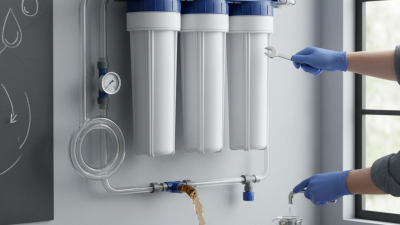
What is Ultrafiltration and How Does it Work for Buyers?
Ultrafiltration is a critical process in various industries, notably water treatment and food production. This technology utilizes membranes to separate particles from fluids. According to the Global Ultrafiltration Market report by Grand View Research, the market is projected to reach USD 4.73 billion by 2025, growing at a CAGR of 10.5%. Such growth highlights the increasing importance of ultrafiltration in ensuring safe and high-quality products.
Dr. Emily Johnson, a leading expert in membrane technology, stated, “Ultrafiltration is revolutionizing how we think about water purification and food processing.” This innovative technique enables the removal of bacteria, viruses, and other contaminants. However, it is crucial to understand the limitations. Not all ultrafiltration systems are created equal, and buyers must assess their specific needs carefully.
Considerations include the quality of raw materials and the intended applications. While ultrafiltration offers numerous benefits, it may not be suitable for every scenario. Potential buyers should evaluate system efficiency, membrane lifespan, and operating costs. Balancing performance and expenses is essential for making informed decisions in this competitive landscape.

What is Ultrafiltration: Definition and Overview
Ultrafiltration is a specialized filtration process used to separate particles from liquids. It utilizes a semi-permeable membrane that allows water and small molecules to pass while blocking larger particles. This technology is commonly employed in various industries, including water treatment and food processing. The process can remove bacteria, viruses, and suspended solids, making it crucial for ensuring the safety and quality of liquid products.
In ultrafiltration, pressure drives the liquid through the membrane. The size of the membrane pores is critical. Typically, these pores range from 1 to 100 nanometers in diameter. This size allows for effective filtration without the need for high energy input. However, the system can face challenges, such as membrane fouling. This problem occurs when particles accumulate on the membrane surface, reducing efficiency and requiring maintenance.
Understanding ultrafiltration's principles can aid buyers in making informed decisions. Buyers should consider the system's specifications, maintenance requirements, and long-term performance. Evaluating these factors ensures optimal operation and sustainability. Knowledge of the process can also help mitigate potential issues, leading to better outcomes in filtration projects.
Applications of Ultrafiltration in Various Industries
Ultrafiltration (UF) plays a crucial role across various industries, providing advanced separation technologies. It is widely used in water treatment, food and beverage, and pharmaceuticals. A report from MarketsandMarkets indicates that the global ultrafiltration market size is expected to reach USD 4.21 billion by 2027, growing steadily.
In the food and beverage sector, UF is used to concentrate juices and dairy products. This method retains essential nutrients while removing unwanted particles. In pharmaceuticals, ultrafiltration ensures the purity of blood products and vaccines. This application highlights its critical role in patient safety and product efficacy.
**Tips:** Consider the impact of UF on your product quality. Not all ultrafiltration systems are created equal. Research specifications and consult with industry experts to make informed choices. Always ask about the membrane materials used in a system. Cheap materials may affect longevity and efficiency over time.
Applications of Ultrafiltration in Various Industries
This chart depicts the percentage of ultrafiltration usage across various industries. It highlights the significant application of ultrafiltration in the food and beverage industry, followed by pharmaceuticals and water treatment, while other sectors like textiles and dairy use it minimally.
Benefits of Ultrafiltration for Buyers
Ultrafiltration (UF) is a compelling technology in water treatment. For buyers, its benefits are numerous and noteworthy. UF uses a membrane to separate particles from liquids. This process removes bacteria, viruses, and larger molecules while allowing smaller particles, like water, to pass through. The result is cleaner water without the use of chemicals.
One of the primary advantages of ultrafiltration is its ability to enhance water quality. Clean water is essential for both consumption and industrial processes. Buyers can trust this method as it is reliable and efficient. Additionally, UF systems are often less energy-intensive than traditional filtration methods. This translates into lower operational costs over time.
Moreover, ultrafiltration systems can be easily integrated into existing setups. This adaptability makes it an attractive option for many buyers. It's important to consider that, like any technology, ultrafiltration has limitations. Proper maintenance is crucial to ensure optimal performance. Regular checks on membrane integrity are necessary to avoid issues. Understanding these factors helps buyers make informed decisions.
What is Ultrafiltration and How Does it Work for Buyers? - Benefits of Ultrafiltration for Buyers
| Benefit |
Description |
Application |
| Water Purification |
Removes bacteria, viruses, and suspended solids from water. |
Household and industrial water treatment systems |
| Cost-Effective |
Lower operational and maintenance costs compared to other filtration methods. |
Commercial water filtration systems |
| Ease of Use |
Simple setup and operation, requiring minimal training. |
Residential water treatment units |
| Versatility |
Applicable for a variety of liquids, not just water. |
Food and beverage processing |
| Environmental Impact |
Reduces chemical use and harmful waste discharge. |
Wastewater treatment facilities |
Factors to Consider When Purchasing Ultrafiltration Systems
When considering ultrafiltration systems, several factors come into play. The operational efficiency is paramount. According to a recent industry report, ultrafiltration can achieve a 99% rejection rate for suspended solids and bacteria. This makes it a reliable choice for achieving high water quality. Prospective buyers should evaluate feed water characteristics. Variability in sources, like surface or groundwater, influences system performance.
Energy consumption is another critical factor. A well-designed ultrafiltration system may consume less energy compared to other filtration methods. Reports indicate that ultrafiltration systems can save up to 30% in energy use. Maintenance and membrane lifespan also deserve attention. Membranes can degrade over time due to fouling or scaling. Users must anticipate replacement costs and maintenance intervals to budget effectively.
Cost-effectiveness is often a concern. Initial investments in ultrafiltration systems can be high. However, this technology can lead to long-term savings in operational costs. Buyers should assess installation requirements and overall system complexity. With varying levels of automation and monitoring, costs can fluctuate significantly. Taking the time to analyze these factors can ensure you make an informed decision.


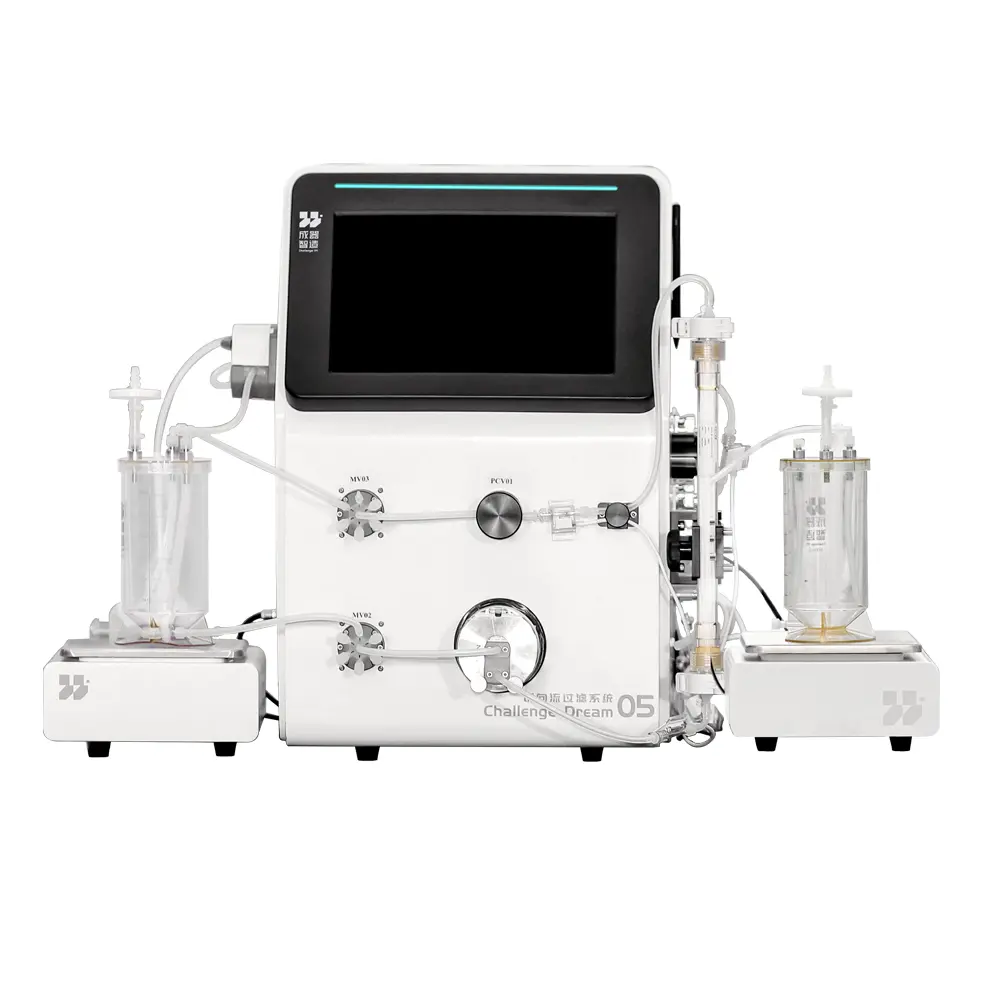 Tangential Flow Filtration(TFF) System
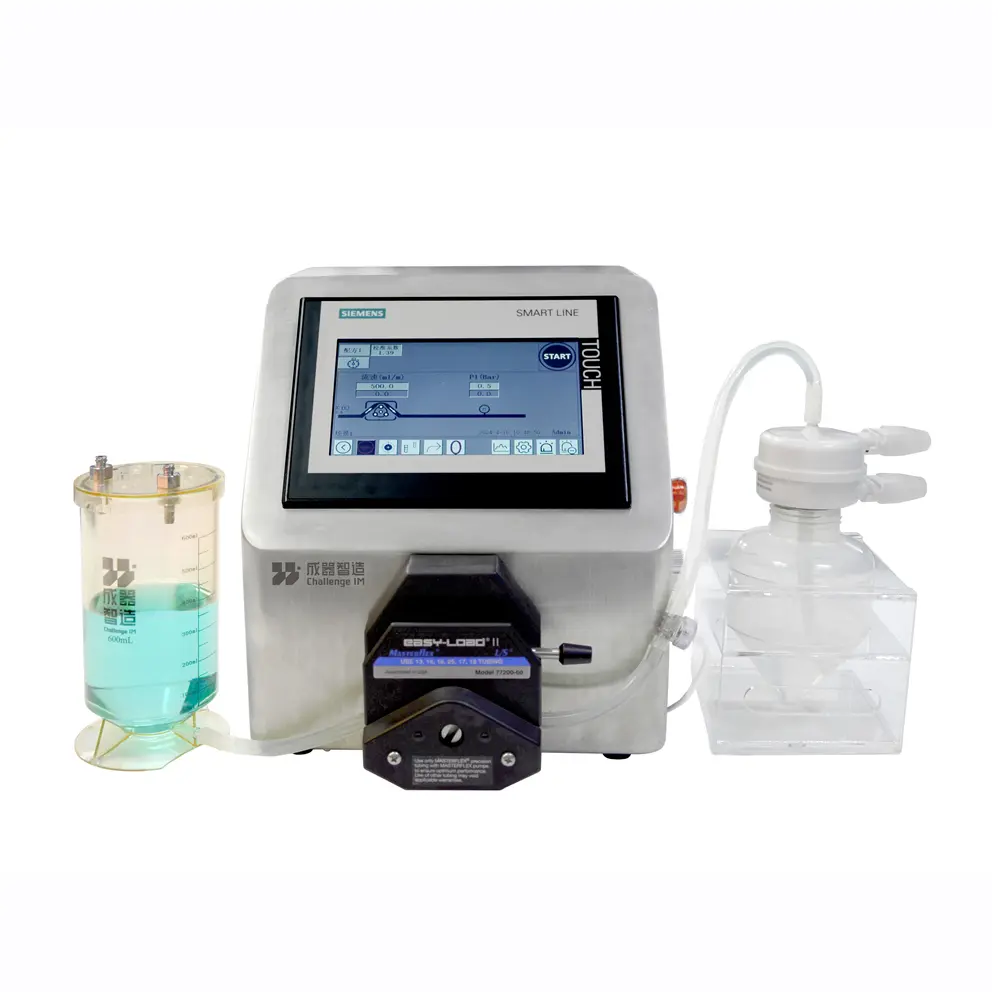 Jump Pump
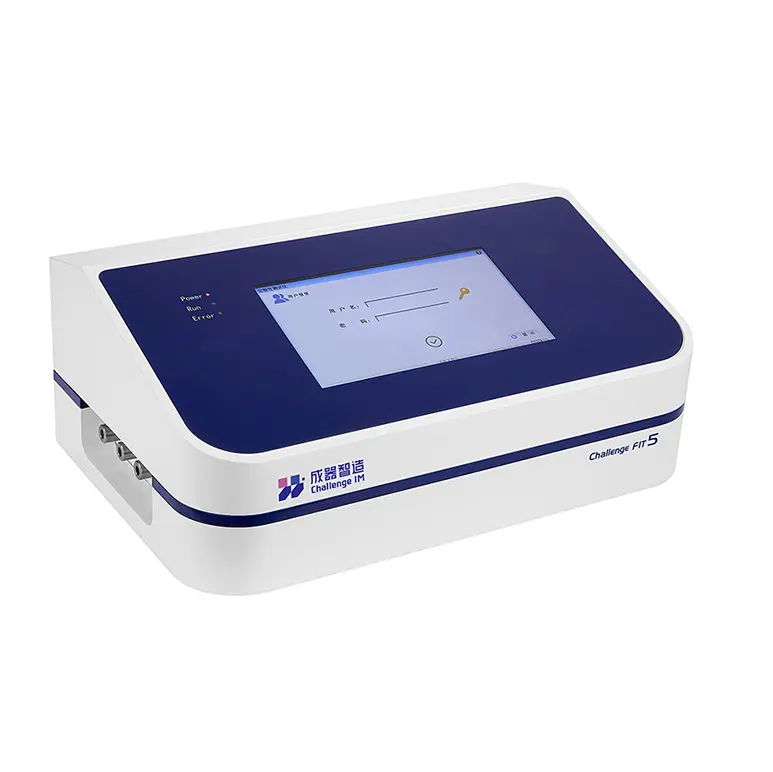 FIT Integrity Tester
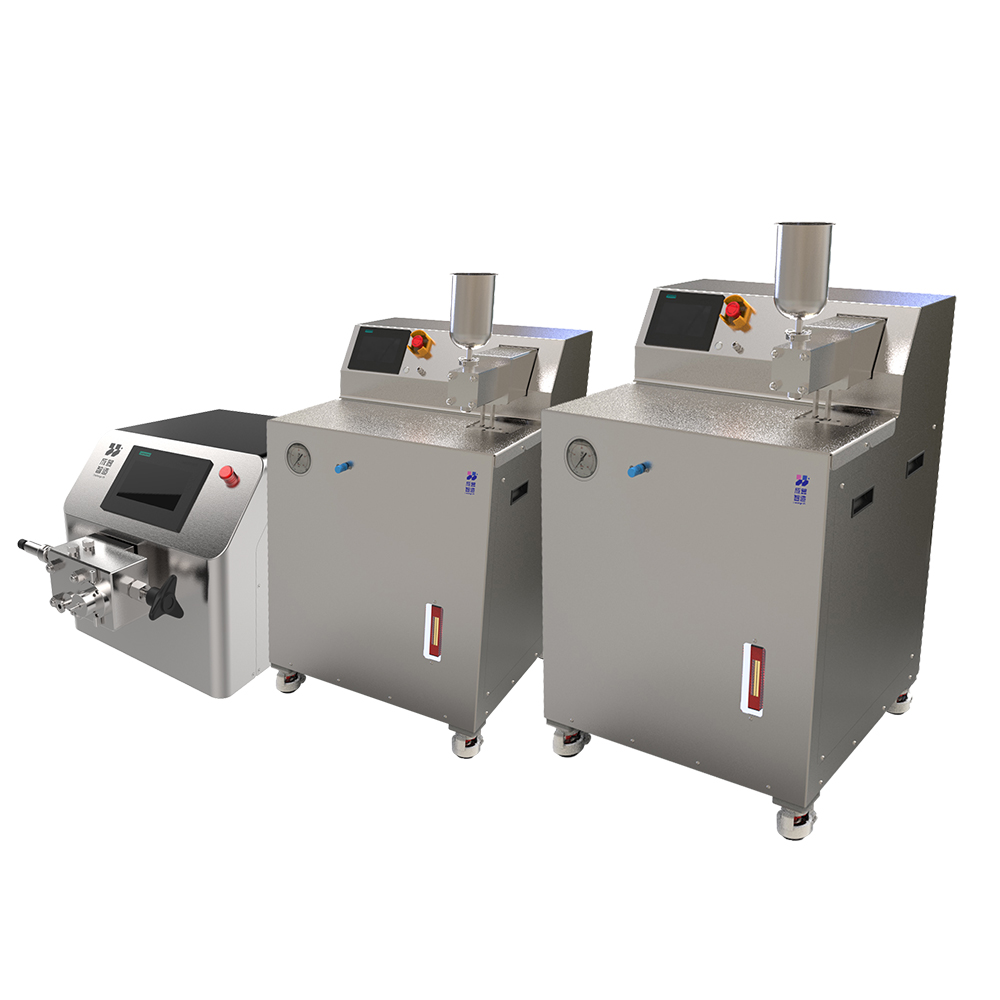 High Pressure Homogenizers
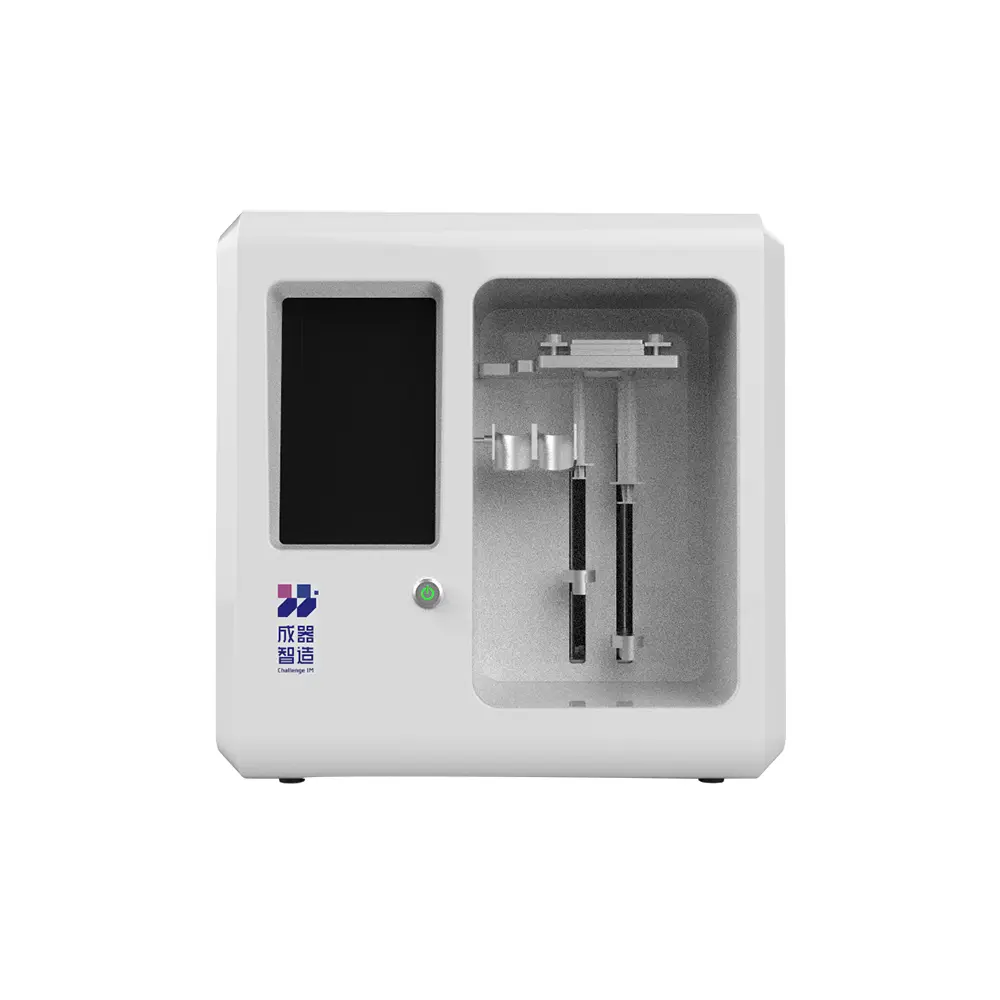 Microfluidics