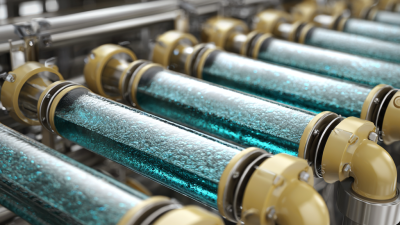
Top Ultrafiltration Solutions for Global Buyers in 2026?
In recent years, ultrafiltration has emerged as a critical technology in various industries, particularly in water treatment and food processing. The global ultrafiltration market is projected to reach USD 6 billion by 2026, growing at a compound annual growth rate (CAGR) of 10%. This growth reflects the increasing need for efficient filtration solutions that ensure water purity and safety.
The rising global concern over water scarcity and quality is driving innovation in ultrafiltration technologies. According to industry reports, membrane technology accounts for nearly 40% of the total water treatment market. Companies are investing heavily in research to optimize their ultrafiltration systems, enhancing both performance and reliability. However, not all ultrafiltration solutions meet the strict performance standards required for various applications.
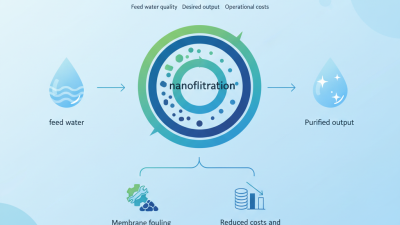
Factors such as membrane fouling and durability remain challenges for manufacturers and users alike. These issues necessitate continuous improvement and innovation in ultrafiltration systems. As the market evolves, buyers must remain informed about the latest advancements and trends in ultrafiltration technology to make knowledgeable decisions. The future of ultrafiltration solutions clearly demands a commitment to quality and sustainability.
Overview of Ultrafiltration Technology: Principles and Applications
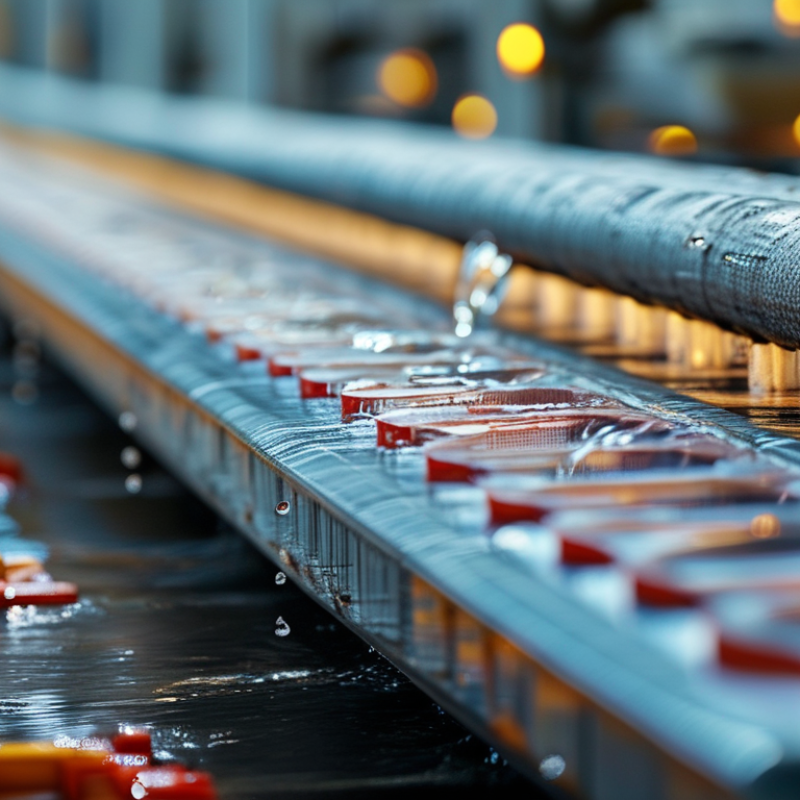
Ultrafiltration technology is revolutionizing water treatment processes across various industries. This membrane filtration method separates particles based on size, effectively removing contaminants from liquids without chemical additives. The process typically operates in the range of 1 to 100 nanometers, making it ideal for treating wastewater, purifying drinking water, and even food processing. Ultrafiltration can capture bacteria, viruses, and colloidal materials, resulting in high-quality effluent.
Many industries are looking to adopt ultrafiltration systems in the coming years. The versatility of this technology allows for numerous applications, from municipal water treatment plants to pharmaceutical manufacturing. However, potential drawbacks exist. Membrane fouling can occur, reducing efficiency and increasing maintenance. Regular cleaning cycles and monitoring are crucial to prolong membrane life.
Innovation in membrane materials and configurations continues to emerge, addressing some of these challenges. Ongoing research aims to enhance permeability and selectivity while reducing fouling rates, making ultrafiltration a more robust solution. Buyers must remain informed about the latest advancements and challenges in the field.
Current Market Trends in Ultrafiltration Solutions for 2026
The ultrafiltration market is evolving rapidly in 2026. Many industries are adopting new technologies to improve efficiency and sustainability. Key drivers of this trend include water scarcity and the demand for high-quality water treatment solutions. Ultrafiltration systems offer versatile applications, from industrial processes to household use.
In this evolving landscape, quality and performance are critical. Buyers should focus on systems that promise durability and low maintenance. The shift towards eco-friendly solutions is apparent. Many manufacturers are innovating to reduce energy consumption and waste. Reliability is paramount; inefficient systems can lead to increased costs in the long run.
Consider these factors when selecting ultrafiltration solutions. Evaluate performance metrics and material quality. Look for options with proven success in similar applications. Be aware that not all products can live up to their claims. Some systems may yield results that do not meet expectations. Trust but verify performance through industry reviews and case studies. Engage with experts for insights on the latest technologies. This approach can guide you toward solutions that truly meet your goals.
Key Players and Innovations in Ultrafiltration Industry
The ultrafiltration industry is poised for significant advancements in 2026. Market reports suggest a compound annual growth rate (CAGR) of over 7% from 2021 to 2026. This growth is driven by the increasing demand for clean water and the growing need for efficient wastewater management. Critical innovations are emerging, such as membrane technology enhancements that improve filtration efficiency.
Key players are developing novel materials for membranes. These include high-performance polymers and ceramic composites. Research indicates that membranes with smaller pore sizes can yield higher rejection rates for microorganisms. Nevertheless, challenges remain. The fouling of membranes continues to affect system longevity and operational costs. Addressing these issues requires ongoing research and innovation.
User-centric solutions are becoming essential. Buyers seek systems that provide real-time monitoring capabilities. Data-driven approaches allow for better maintenance and optimal performance. Industry leaders must adapt to evolving customer requirements. This transition toward smarter ultrafiltration solutions will be crucial for maintaining competitiveness in the market.
Top Ultrafiltration Solutions for Global Buyers in 2026
This chart represents the estimated market share of various ultrafiltration membrane materials that are expected to dominate the market in 2026. It highlights the growing diversity in ultrafiltration solutions which are crucial for global buyers.
Factors Influencing Buyer Decisions in Ultrafiltration Solutions
In 2026, the ultrafiltration solutions market is likely to see varied buyer preferences. Several factors influence these decisions profoundly. Buyers often prioritize efficiency and performance. They seek systems that can promise high throughput while maintaining necessary filtration qualities. Environmental concerns also weigh heavily on buyers’ choices, as sustainability becomes central to procurement strategies.
Cost effectiveness remains a significant concern for many buyers. Organizations are cautious about their budgets and often require validated return on investment before making commitments. Yet, balancing cost and performance is a constant challenge. Many buyers may hesitate when faced with initial high costs, even if the long-term savings are evident.
The availability of technical support and maintenance services also plays a vital role. Buyers desire reliable partnerships that extend beyond the initial sale. Trust in suppliers can sway decisions, especially in complex applications. However, not all suppliers meet these expectations, which can lead to buyer frustration and uncertainty. Such issues prompt buyers to reflect deeply on their choices. It’s clear that the ultrafiltration landscape in 2026 will be shaped by these multifaceted considerations.
Top Ultrafiltration Solutions for Global Buyers in 2026
| Criteria |
Importance (1-10) |
Average Cost (USD) |
Expected Market Growth (%) |
| Performance Efficiency |
9 |
$25,000 |
12% |
| Membrane Longevity |
8 |
$20,000 |
10% |
| Energy Consumption |
7 |
$22,000 |
9% |
| Maintenance Requirements |
6 |
$18,000 |
8% |
| Scalability |
8 |
$24,000 |
11% |
| Environmental Impact |
7 |
$19,000 |
10% |
Future Prospects: Challenges and Opportunities in Ultrafiltration
As ultrafiltration technology advances, the landscape for global buyers becomes increasingly complex. Many industries rely on this method for water purification and wastewater treatment. However, challenges persist. The rising demand for clean water strains existing ultrafiltration systems. Buyers must navigate these obstacles while considering cost, efficiency, and environmental impact.
New opportunities are emerging in the ultrafiltration market. Innovative materials and membrane technologies are driving efficiency. Companies are focusing on sustainable practices and energy savings. However, not all solutions are reliable. Some systems may underperform, leading to increased operational costs. Buyers must conduct thorough research and seek expert evaluations to identify the best products.
Certification and regulatory standards play a crucial role in decision-making. Ensuring compliance with local regulations is essential. Buyers should question the longevity and maintenance requirements of ultrafiltration systems. Investing in quality solutions can mitigate future challenges. Understanding both the current landscape and future prospects will guide buyers in making informed choices.


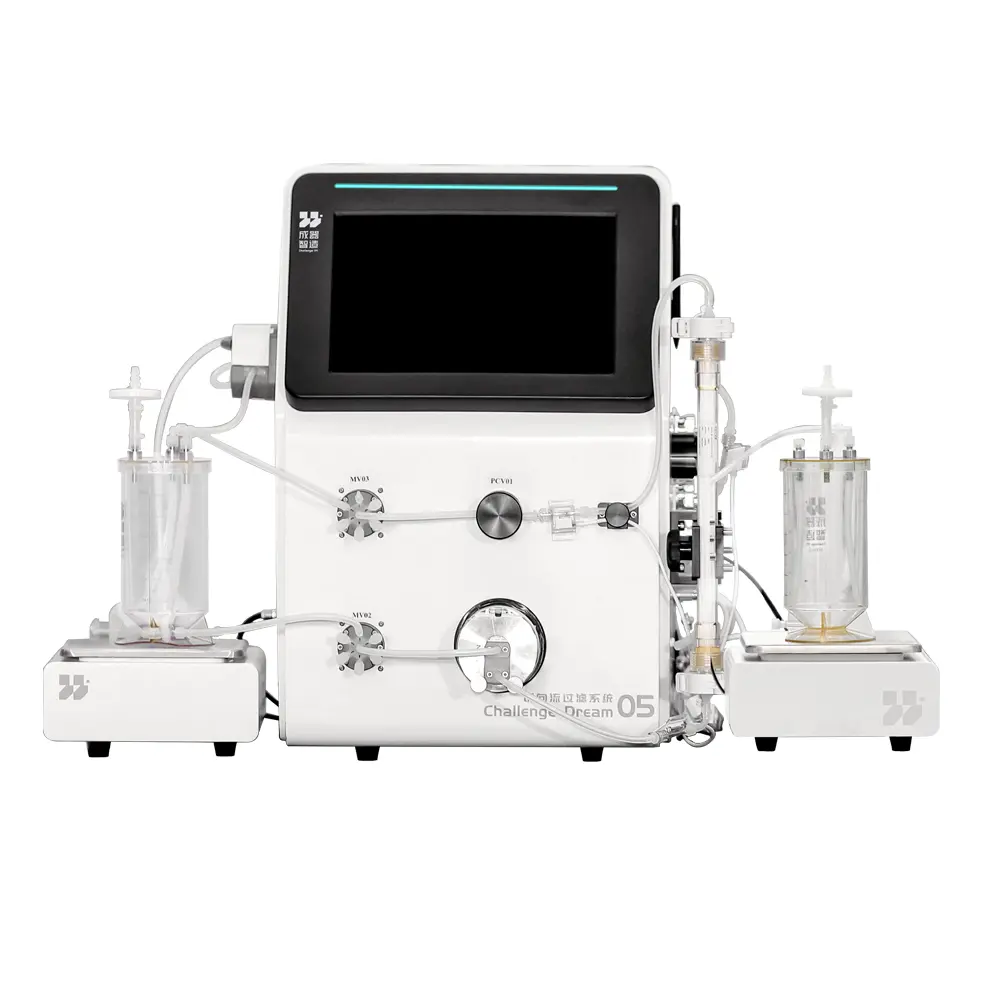 Tangential Flow Filtration(TFF) System
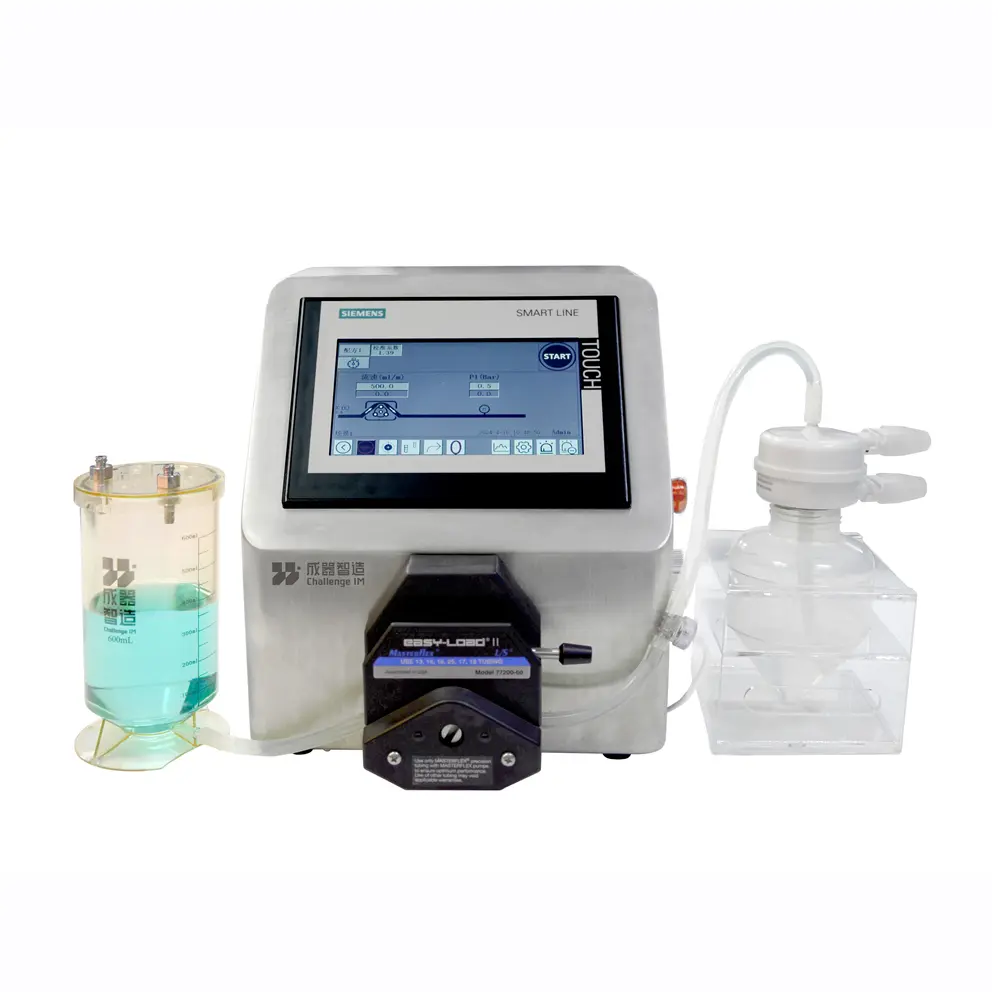 Jump Pump
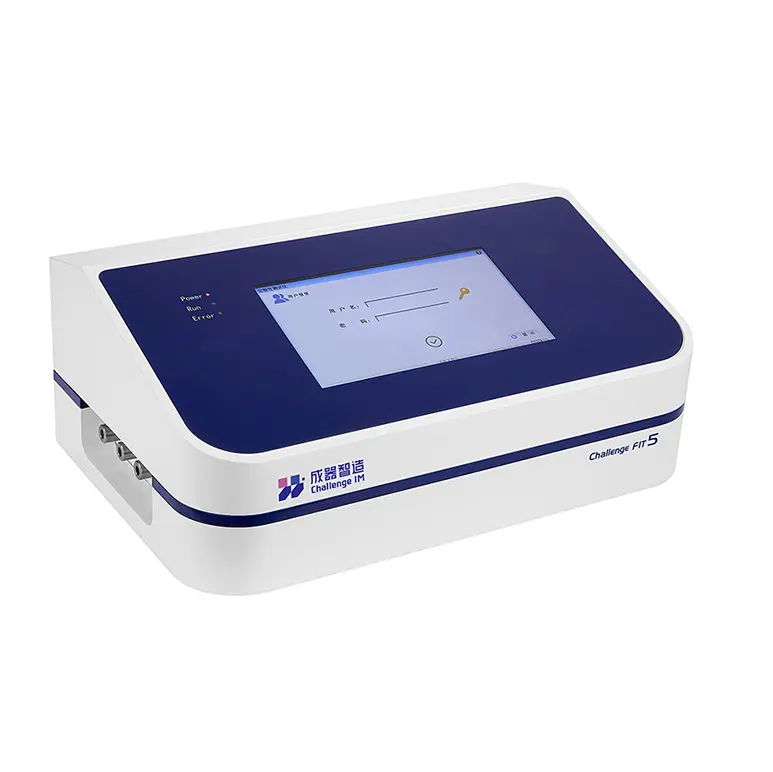 FIT Integrity Tester
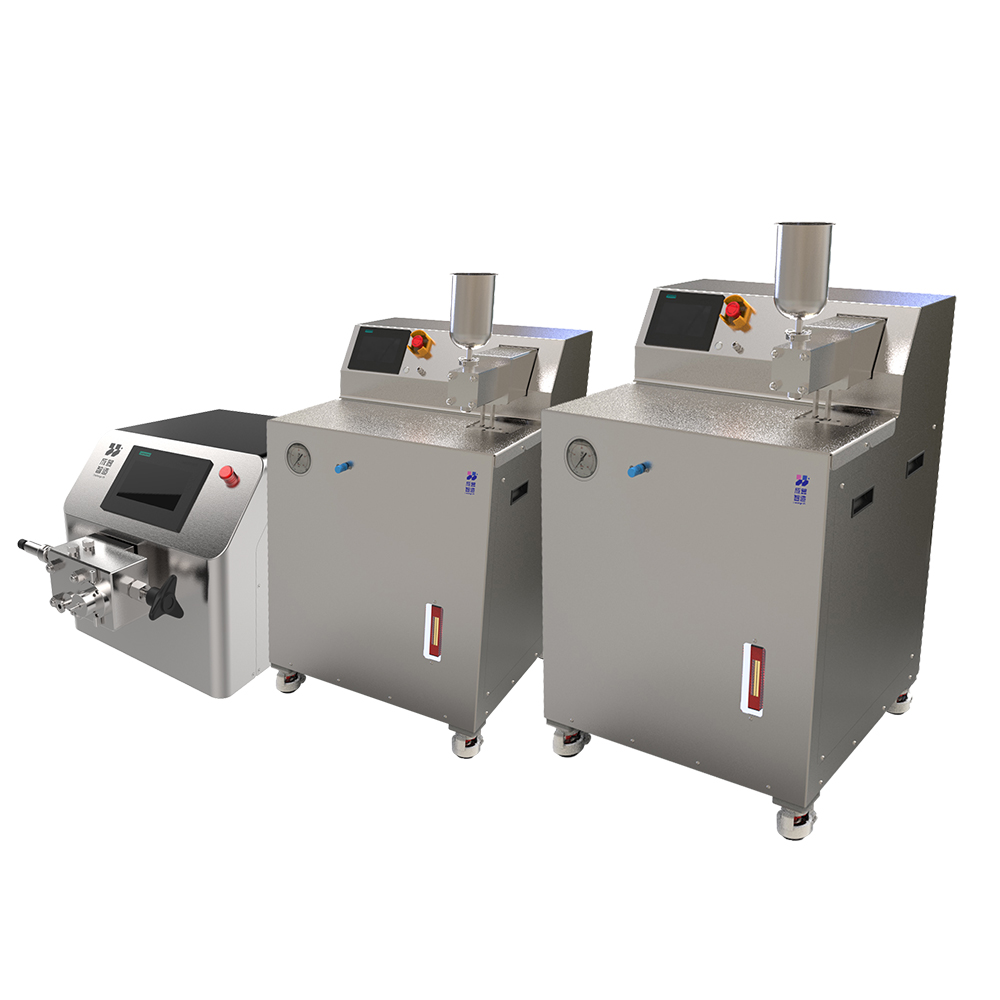 High Pressure Homogenizers
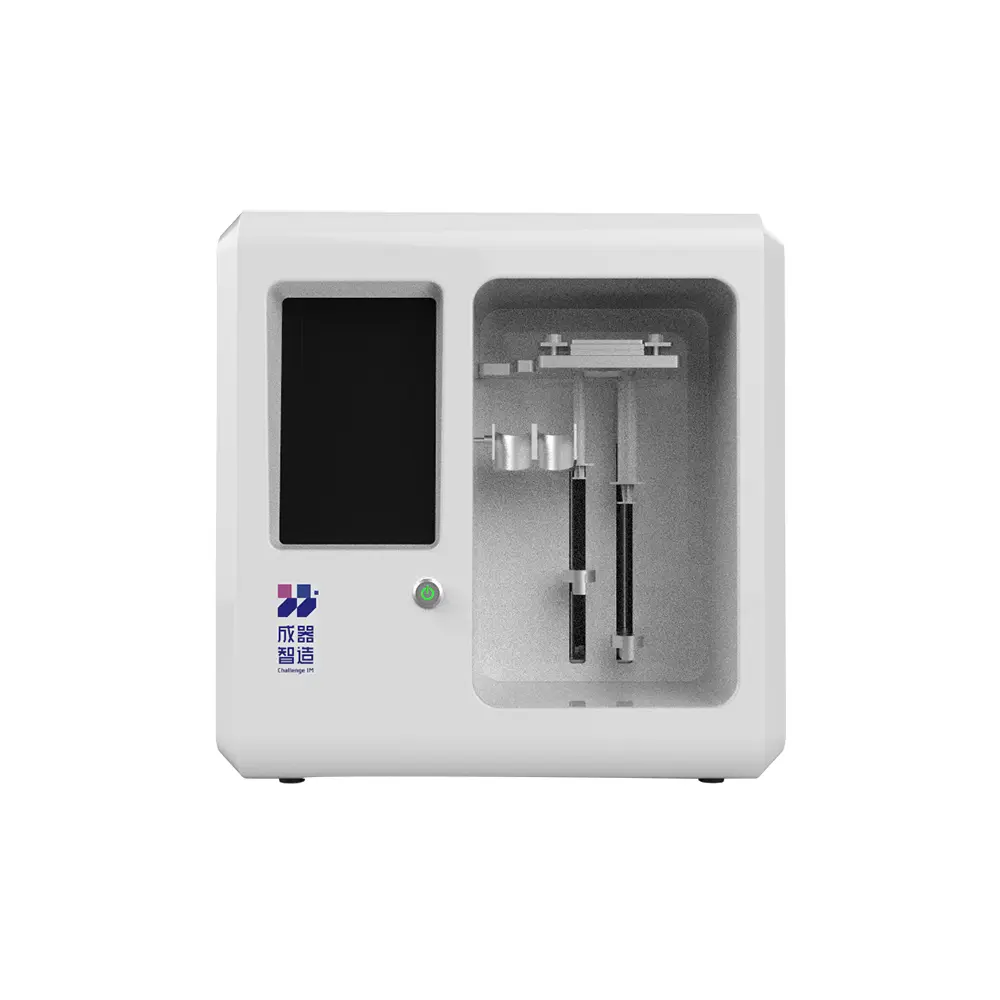 Microfluidics