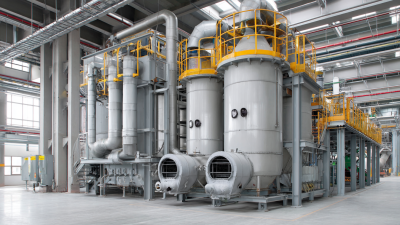
How to Choose the Right Bag Filters for Your Needs?
Choosing the right bag filters is crucial for various applications in industries like water treatment, food processing, and pharmaceuticals. Bag filters are essential for removing particulates and impurities from liquids. Selecting an appropriate bag filter can significantly impact efficiency and product quality.
When evaluating bag filters, consider factors such as particle size, flow rate, and chemical compatibility. Each application has its own unique requirements. Often, operators underestimate these aspects, leading to inefficient filtration systems. This lapse can result in increased operational costs and downtime.
This guide will help you make informed decisions about bag filters. Understanding their specifications and your specific needs is key to success. With the right approach, you can optimize your filtration process and ensure reliable performance.
Understanding the Different Types of Bag Filters Available
When selecting bag filters, it's important to understand the different types available. There are several options to choose from, including synthetic, cellulose, and fiberglass filters. Synthetic filters offer excellent durability and can handle a wide range of temperatures. Cellulose filters, often used for water applications, may be less robust but are biodegradable. Fiberglass filters are known for their high dirt-holding capacity, making them suitable for heavy-duty applications.
Each type has its own strengths and weaknesses. For instance, synthetic filters may be better for environments with extreme conditions. However, they can be more expensive. On the other hand, cellulose filters are economical but may require more frequent replacements. Choosing the wrong type can lead to inefficiencies and increased operational costs. It's vital to assess your specific needs, such as the type of contaminants and airflow requirements. Testing different filters in your environment can reveal varying performance levels, though this often comes with the risk of trial and error.
Evaluating Your Specific Filtration Needs and Requirements
Choosing the right bag filters begins with understanding your specific filtration needs. Consider the environment where the filters will be used. Factors include the type of contaminants you need to capture. This can vary widely: from dust and pollen to chemicals and microbes. Knowing what you're filtering is essential. It influences filter materials and designs.
Next, evaluate the flow rate requirements. High capacity filters can handle larger volumes without clogging. However, they may be less effective for tiny particles. Assess your systems carefully. Regular testing can reveal if the filters are performing as needed. Sometimes, it might be necessary to adjust your choices based on real-world performance.
Think about the maintenance involved. Some filters require more frequent changes. This can affect operational costs. Balancing efficiency and cost is crucial. In some cases, the most expensive filter isn’t the best choice. A thorough assessment might reveal gaps in your current setup. Document your experiences for future reference. This reflective practice can lead to better decision-making over time.
Key Factors to Consider When Selecting Bag Filters
When selecting bag filters, several key factors should be taken into account. First, consider the material of the filter. Plastic, fabric, or metal options offer different levels of filtration and durability. Each material has its own strengths and weaknesses, impacting how long the filter will last and its efficiency in capturing particles. Understanding the specific needs of your operation will guide your choice.
Next, evaluate the filter's micron rating. This rating indicates the size of particles the filter can capture. A lower micron rating means finer filtration and better air quality. However, narrowing the filter's mesh can result in reduced airflow, which might affect performance. Finding a balance is crucial.
Lastly, the filter's application matters. Different environments, like industrial plants or laboratories, require different types of filters. Assess the conditions of your workspace. For example, high humidity or exposure to corrosive substances can damage certain filters. It’s essential to reflect on these factors and how they align with your specific requirements. Finding the right bag filter involves thoughtful consideration of these details.
Maintenance and Replacement Considerations for Bag Filters
When selecting bag filters, understanding maintenance and replacement is crucial. Regular upkeep ensures optimal performance and longevity. Dirty filters can lead to increased energy costs and reduced air quality. It is essential to monitor the condition of bag filters frequently. Visual inspections can be quite revealing. Look for signs of wear or accumulation of dirt.
Replacing filters at the right time is another significant aspect. Often, users replace filters reactively rather than proactively. This habit can cause severe issues in the filtration system. Setting a schedule based on usage patterns helps minimize risks. Consider the environment where the filters are placed. Dusty or industrial settings may demand more frequent changes.
It’s important to keep records of filter replacements. These records help track filter performance over time. Analyzing data can reveal trends and needs for adjustments. Sometimes, the chosen filter type may not meet specific operational demands adequately. In such cases, reevaluation of the filtering system becomes necessary. Each setting is unique, and what works well in one situation may not in another. Being adaptable in your approach can lead to better filtration results.
Bag Filter Performance Comparison
This bar chart shows the average efficiency of different types of bag filters. These efficiencies are key considerations for maintenance and replacement planning. Choosing the right bag filter based on its efficiency can optimize air quality and system performance.
Cost-Effectiveness: Budgeting for Your Bag Filter Solution
When considering bag filters, budgeting is crucial. The initial cost is often tempting, but long-term expenses must also be evaluated. Lower-priced filters might save money upfront, but they can lead to frequent replacements. This can inflate your overall costs and disrupt operations.
Maintenance is another factor impacting budget. Some bag filters require specialized handling, adding to labor costs. Efficient filters might have a higher price tag but will require less frequent changes and maintenance. This can make them more cost-effective in the long run. Analyze your filtration needs thoroughly to avoid overspending on unnecessary features.
It's also important to consider the energy efficiency of your filter system. Filters that operate well often consume less energy. Choose those that strike a balance between cost and efficiency. Reflecting on your specific uses and their demands can significantly influence the right choice for your budget and environmental standards.
How to Choose the Right Bag Filters for Your Needs? - Cost-Effectiveness: Budgeting for Your Bag Filter Solution
| Filter Type |
Estimated Cost ($) |
Lifespan (Months) |
Maintenance Frequency (Months) |
Efficiency (%) |
| Polyester |
50 |
12 |
3 |
90 |
| Polypropylene |
60 |
10 |
4 |
85 |
| Nomex |
75 |
15 |
6 |
95 |
| Glass Fiber |
100 |
18 |
5 |
99 |
| PTFE |
120 |
24 |
8 |
97 |


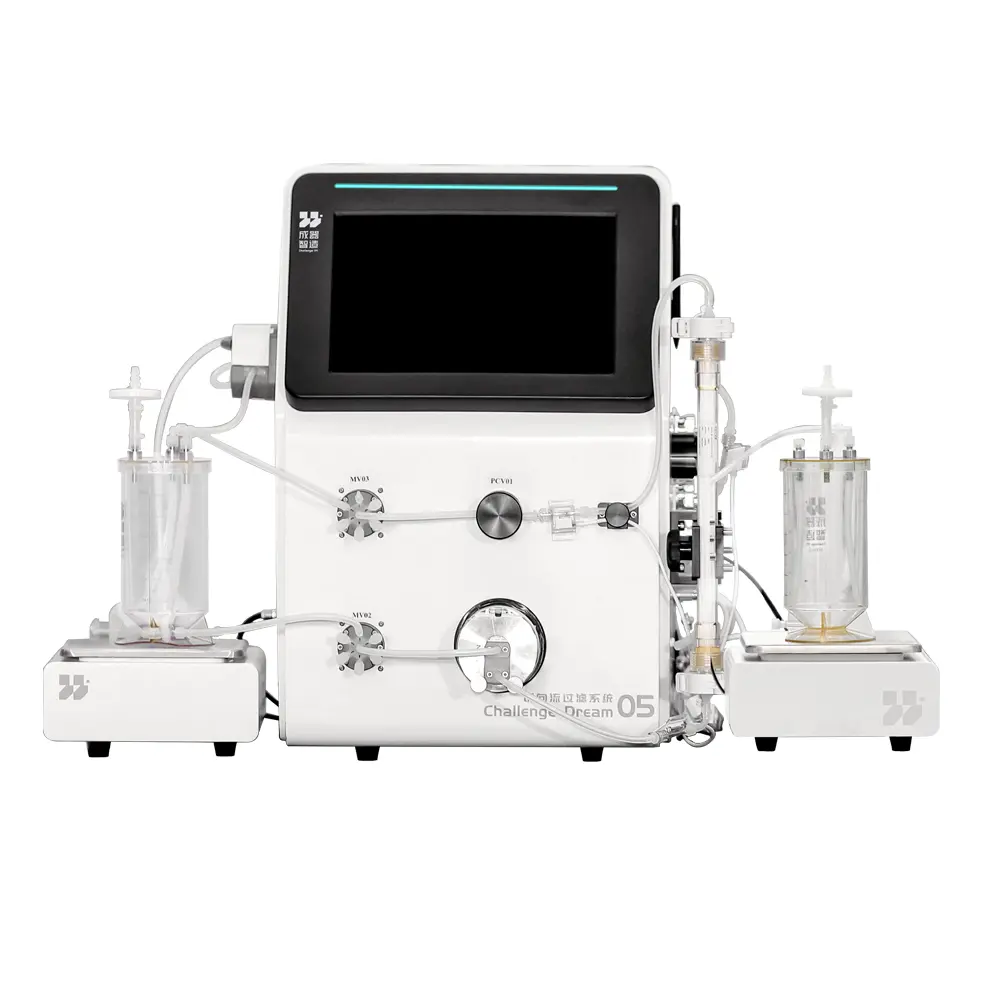 Tangential Flow Filtration(TFF) System
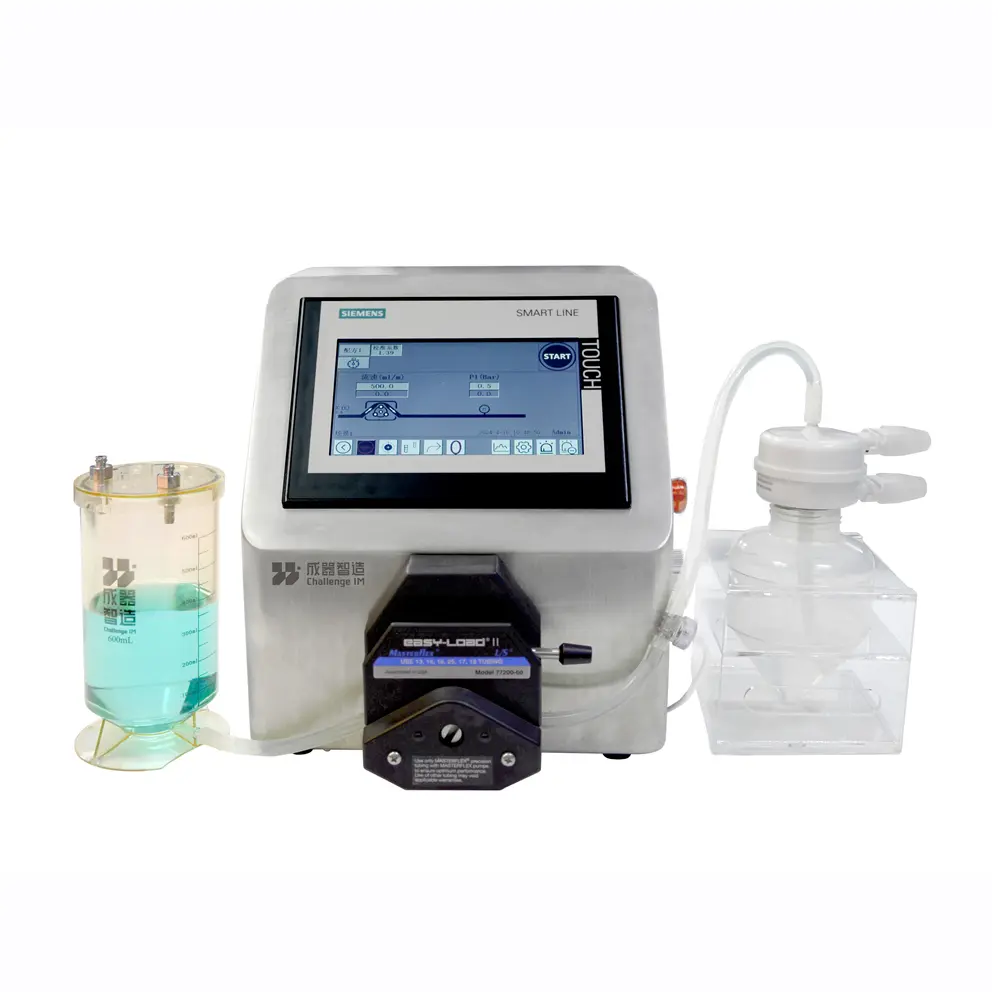 Jump Pump
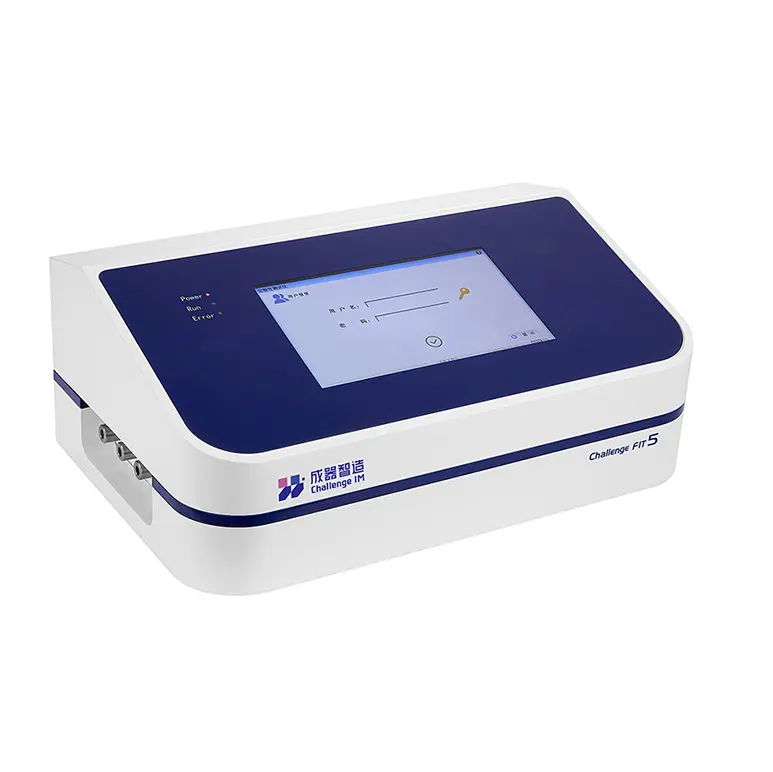 FIT Integrity Tester
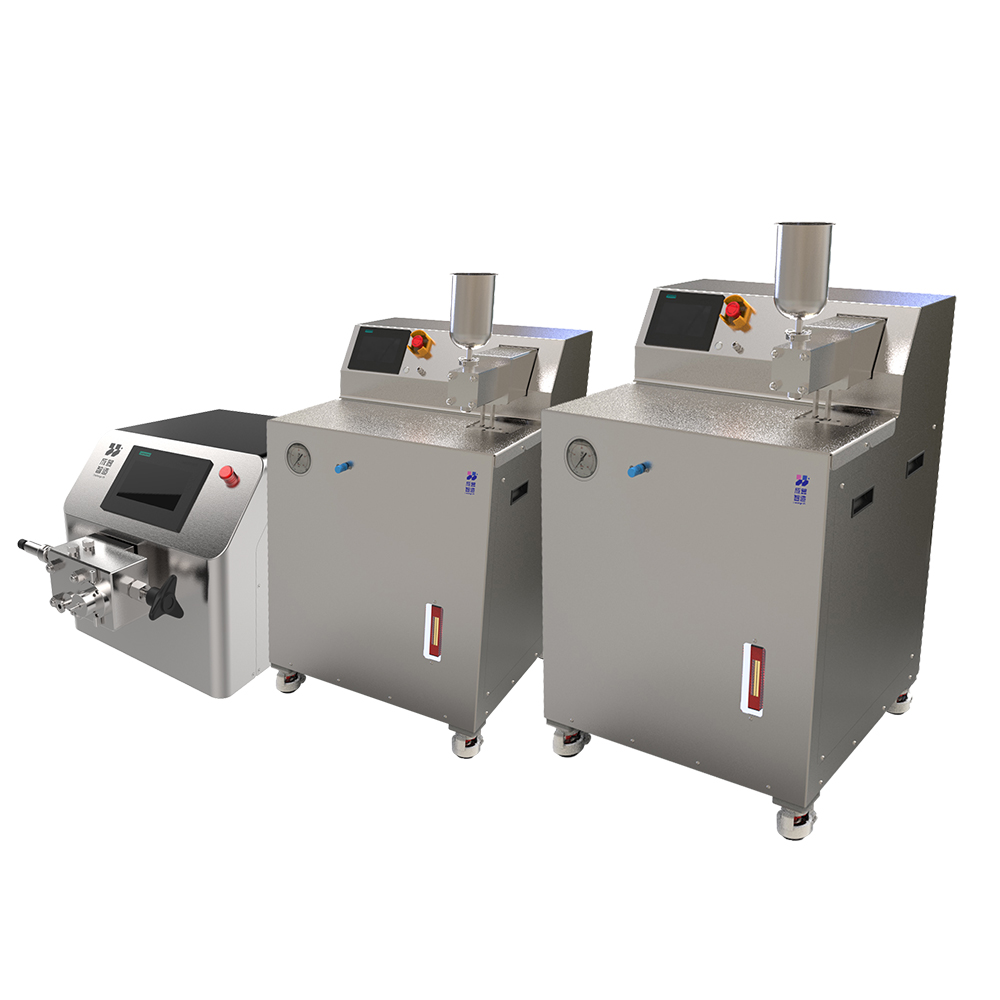 High Pressure Homogenizers
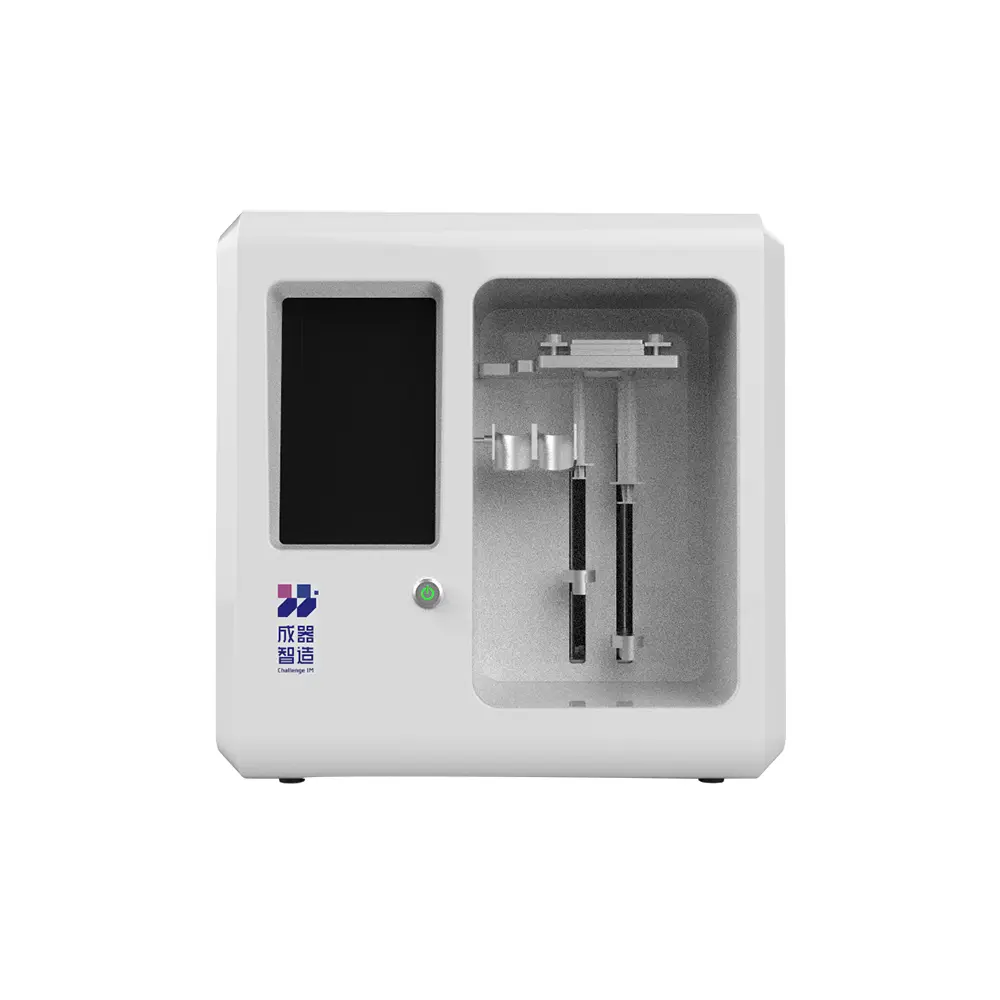 Microfluidics