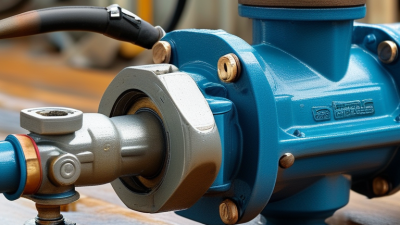
2026 How to Choose the Right Diaphragm Pump for Your Needs?
In the realm of fluid transfer solutions, choosing the right diaphragm pump is crucial. Industry expert, John Smith, emphasizes, "Selecting the correct diaphragm pump can greatly enhance operational efficiency." Understanding your specific needs can help you make an informed decision.
Diaphragm pumps are renowned for their versatility. They handle various fluids, including viscous and corrosive ones. Knowing the requirements of your application can prevent costly mistakes.
Consider factors like flow rate and pressure. These elements directly influence performance. Selecting a diaphragm pump is not always straightforward. Reflect on your unique challenges, and explore various options. This approach will lead you to a pump that effectively meets your needs.
Understanding the Basics of Diaphragm Pumps
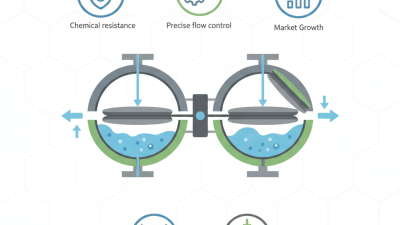
Diaphragm pumps are versatile tools used in various industries. Understanding their mechanics is essential before making a decision. At their core, diaphragm pumps use a flexible diaphragm to create a sealing action. This action allows for the movement of liquids or gases without contamination. They fit well in applications where a leak-free environment is critical.
Different types of diaphragm pumps exist. These include air-operated and electrically driven models. Each type has its benefits and limitations. For example, air-operated pumps are often simpler to maintain but may require more compressed air. Electric models can provide more consistent flow rates but might not be as robust in rugged environments.
When choosing a diaphragm pump, keep in mind the fluid type you will be transferring. Some substances can degrade materials used in certain pumps. Assessing compatibility is crucial. Additionally, consider the flow rate and pressure requirements of your specific application. It’s wise to consult with experts in pump technology to ensure the right fit for your needs. Finding the ideal diaphragm pump may involve trial and error, but careful research can lead to better outcomes.
2026 How to Choose the Right Diaphragm Pump for Your Needs?
| Feature |
Description |
Considerations |
| Pump Type |
Air-operated, electric or hydraulic diaphragm pumps. |
Choose based on the energy source available and the application requirements. |
| Flow Rate |
Measured in gallons per minute (GPM) or liters per minute (LPM). |
Determine the required flow rate for your application to avoid under or over-sizing. |
| Pressure Rating |
Maximum pressure the pump can safely handle, typically measured in PSI or bar. |
Match the pressure rating with the system requirements to ensure optimal performance. |
| Materials of Construction |
Common materials include polypropylene, stainless steel, and PTFE. |
Select materials that are compatible with the fluid being pumped to prevent corrosion or contamination. |
| Maintenance Requirements |
Frequency of maintenance and parts replacement required for optimal performance. |
Consider the ease of maintenance and availability of replacement parts when choosing a pump. |
| Noise Level |
Decibel level produced by the pump during operation. |
Noise-sensitive environments may require quieter models or sound enclosures. |
Identifying Your Specific Application Needs
When selecting a diaphragm pump, knowing your specific application is crucial. Start by identifying the fluid type. Is it abrasive or corrosive? Each fluid type has different compatibility requirements. Consider the viscosity of the fluid as well. Thicker fluids may need a pump designed for high flow rates.
Pressure and flow rate are other key factors. Measure the required pressure for your system. Ensure the pump can deliver enough flow to meet operational demands. Evaluate the environment where the pump will operate. Outdoor settings require durable materials and robust designs.
Tips for choosing: Think about maintenance needs. Some pumps require more upkeep than others, impacting long-term costs. Assess your budget too. A cheaper pump may save money initially but can lead to greater expenses later. Prioritize what matters most for your application and take the time to research options thoroughly.
Consider how often you will use the pump. Frequent use can affect performance. User feedback and industry reviews can offer valuable insights. Don’t skip this step; it may highlight potential issues you haven’t considered.
Evaluating Key Features of Diaphragm Pumps
When selecting a diaphragm pump, it’s essential to evaluate key features that align with your specific needs. One vital aspect to consider is the material of the diaphragm. For example, if you're handling corrosive fluids, look for pumps made from chemical-resistant materials. The wrong choice here could lead to pump failure and expensive repairs.
Another important feature is the pump's flow rate and pressure capability. High flow rates may be necessary for certain applications, while low pressure might suffice for others. Understanding your requirements in detail can help prevent over-engineering, which often leads to overspending. Sometimes, a simpler solution is more effective.
Hands-on experience often highlights the importance of maintenance. Regular checks on seals and lubricants can dramatically extend pump life. Consider also how easy it is to service the diaphragm. If it's complex, it may be worth investing in a different model. Knowing the maintenance needs ahead of time can save you time and frustration down the line.
Evaluate your options carefully. Make sure to balance performance with reliability. Costs should not overshadow function and longevity.
Comparing Different Types of Diaphragm Pumps
When choosing a diaphragm pump, understanding the different types is crucial. There are several types, including air-operated, electrically driven, and hydraulic diaphragm pumps. According to industry reports, air-operated diaphragm pumps dominate the market due to their versatility and ease of use. They can handle a wide range of media, from slurries to viscous materials, making them suitable for many applications.
Electric diaphragm pumps, while less common, offer benefits like improved energy efficiency and quieter operation. They are ideal for applications where noise reduction is a priority. However, they may not perform well with abrasive materials, which can lead to increased maintenance needs. Hydraulic diaphragm pumps provide high pressure but are often more complex. Their applications are generally limited to specialized industrial processes.
Decision-making should consider specific needs. Questions to ask include: What materials will be pumped? What is the required flow rate? Each type of pump has advantages and potential drawbacks. For instance, while air-operated pumps are reliable, they may require more frequent checks for air leaks. Understanding these details helps ensure the right choice aligns with operational requirements and budget constraints.
Considering Maintenance and Support Options
When selecting a diaphragm pump, maintenance and support options play a critical role. A reliable pump requires regular upkeep to ensure optimal performance. Look for a supplier that offers comprehensive maintenance services. Their expertise can help in identifying potential issues before they escalate. Check if they provide training for your staff. This can empower your team to perform basic maintenance and troubleshooting.
Consider the availability of spare parts as well. Timely access to replacement components can minimize downtime. Some suppliers may even offer service contracts, providing peace of mind. However, not all contracts are the same. Carefully assess what each one covers. Transparency in costs and services is essential.
Lastly, evaluate the support channels available. Quick response times can be a game changer in urgent situations. Whether it’s via phone, email, or online chat, effective communication is vital. Inadequate support can lead to frustration and costly delays. Think about these factors seriously to ensure you make the best decision.


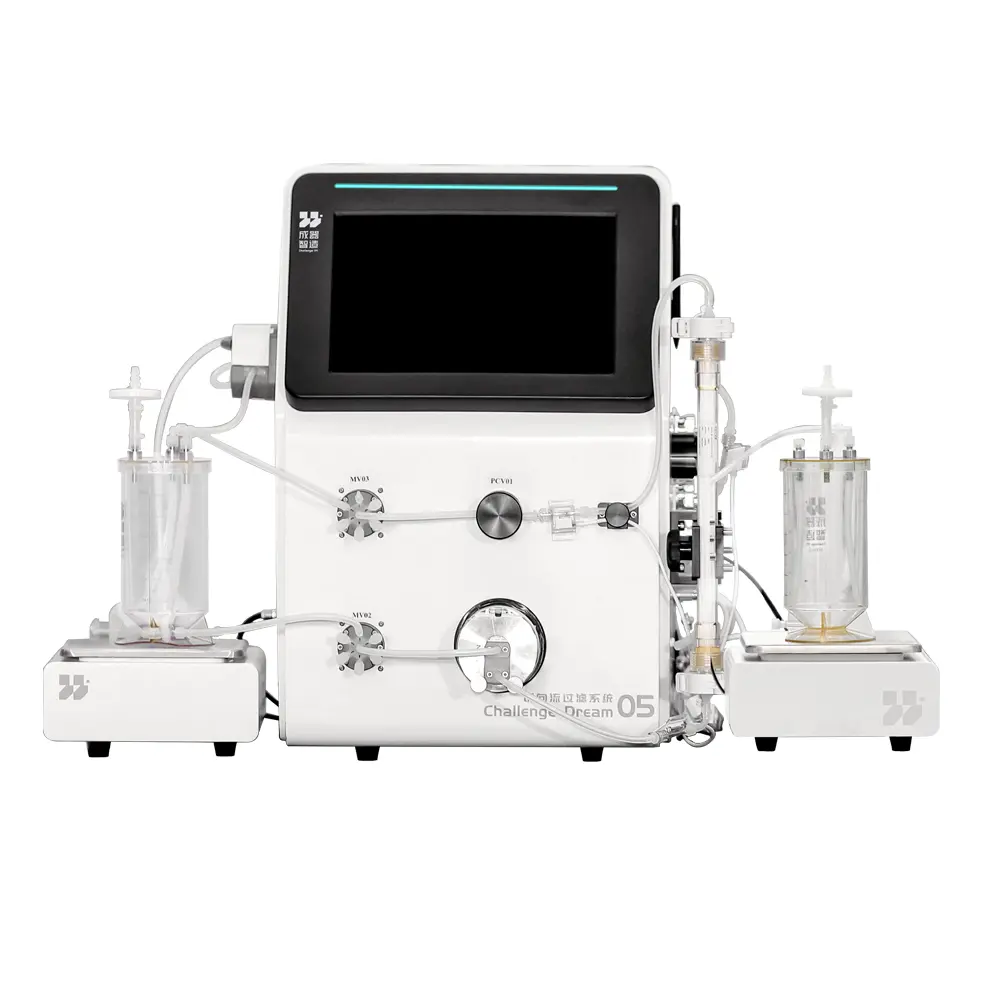 Tangential Flow Filtration(TFF) System
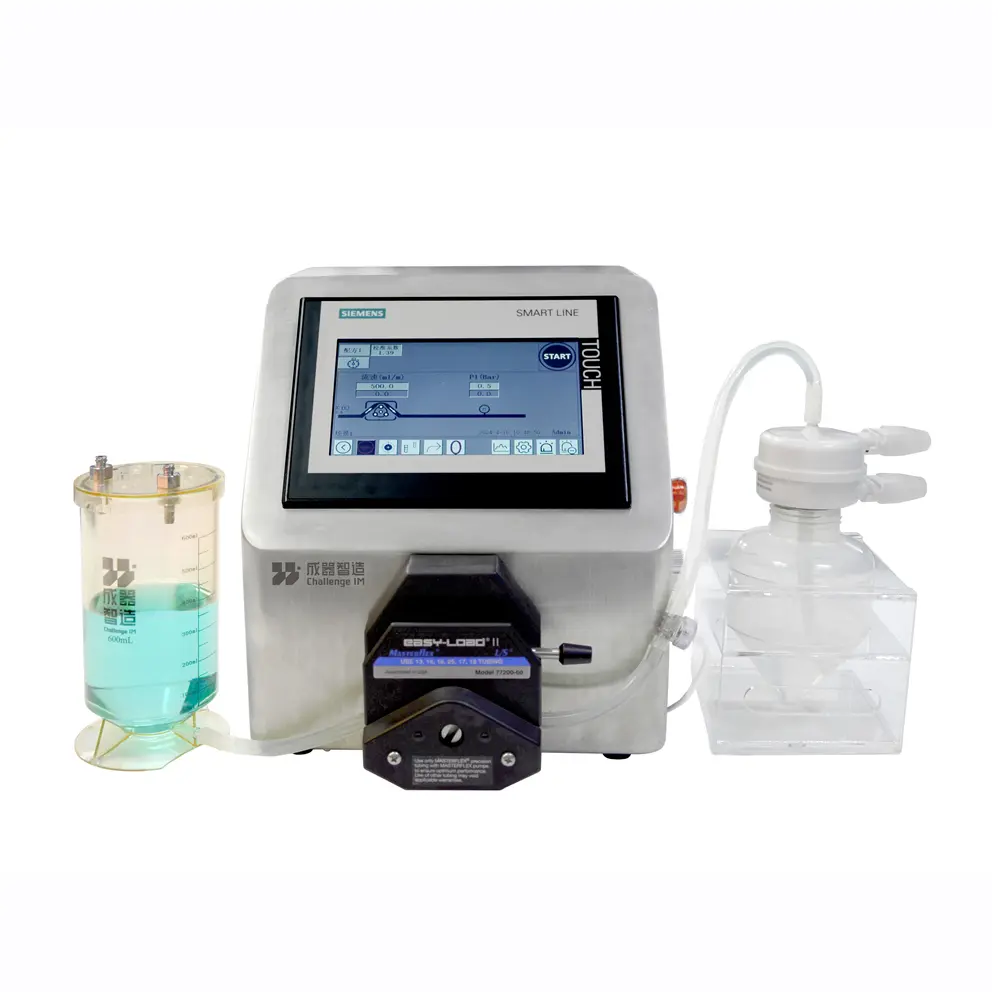 Jump Pump
 FIT Integrity Tester
 High Pressure Homogenizers
 Microfluidics